Home Health News World Blood Cancer Day: The Silent Symptoms of Leukemia and Lymphoma People Often Miss
Health NewsOncology

World Blood Cancer Day: The Silent Symptoms of Leukemia and Lymphoma People Often Miss

Share
World Blood Cancer Day 2026
Share

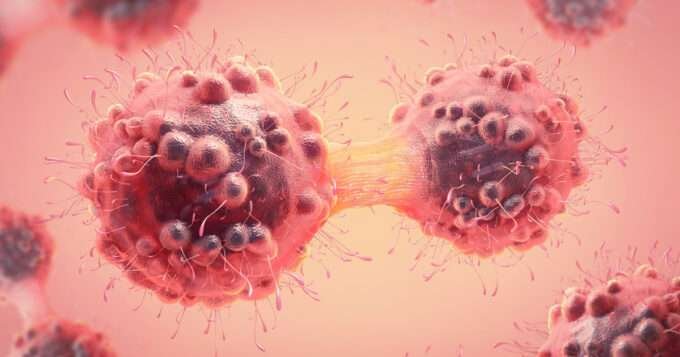
Blood cancers such as leukemia, lymphoma, and myeloma are often called “silent diseases” because their symptoms can develop gradually and mimic common health problems like fatigue, fever, or weakness. On World Blood Cancer Day, doctors are raising awareness about the early warning signs people frequently ignore, stressing that timely diagnosis can significantly improve treatment outcomes.

Unlike many other cancers, blood cancer does not always form a visible tumour. Instead, it affects the blood, bone marrow, or lymphatic system, disrupting the body’s ability to produce healthy blood cells.

According to Dr. Rahul Bhargava, Director and Head of Hematology at Fortis Memorial Research Institute, Gurugram, many patients overlook early symptoms because they appear mild initially. “Persistent fatigue, frequent infections, unexplained bruising, prolonged fever, or swollen lymph nodes are symptoms people often ignore for months. Early diagnosis is extremely important in blood cancers because treatment response is usually better when detected sooner,” he explains.

One of the most common symptoms of blood cancer is constant tiredness that does not improve with rest. This happens because abnormal blood cells interfere with the body’s oxygen supply and immune function.

Other warning signs may include:

  • Frequent infections
  • Night sweats
  • Unexplained weight loss
  • Bone or joint pain
  • Pale skin
  • Bleeding gums or nosebleeds
  • Easy bruising
  • Swelling in the neck, underarms, or groin

Doctors say leukemia affects white blood cells and bone marrow, while lymphoma targets the lymphatic system. Multiple myeloma, another type of blood cancer, affects plasma cells.

Although the exact causes are not always known, several risk factors may increase the likelihood of developing blood cancer. These include family history, exposure to radiation or harmful chemicals, smoking, weakened immunity, and certain genetic disorders.

Experts also point out that blood cancer is no longer limited to older adults. Increasingly, younger adults and even children are being diagnosed with different forms of leukemia and lymphoma.

“Many people assume cancer always causes severe pain in the beginning, but blood cancers can progress silently. Sometimes a routine blood test becomes the first clue,” says Dr. Bhargava.

Modern medicine has significantly improved survival rates for many blood cancer patients. Treatments now include chemotherapy, targeted therapy, immunotherapy, radiation therapy, and bone marrow transplantation.

Doctors say awareness remains one of the strongest tools in fighting blood cancer. Ignoring symptoms for long periods often delays diagnosis until the disease reaches advanced stages.

On World Blood Cancer Day, healthcare experts are encouraging people to pay attention to unusual changes in the body and seek medical evaluation if symptoms persist for weeks.

Regular health check-ups, blood tests, and early consultation with doctors can help detect problems before complications develop. Experts stress that not every symptom means cancer, but persistent unexplained signs should never be ignored.

As awareness around blood cancer grows globally, doctors hope more people will understand the importance of early diagnosis, timely treatment, and regular health monitoring in improving survival and quality of life.

Share
Written by
Satata Karmakar

Satata Karmakar is a journalist, Editor of HealthWireMedia.com and News Lead for UNICEF India, with over 13 years of experience in breaking news, investigative reporting, health journalism and digital newsroom leadership. Her career spans leading media organisations, including ZEE Media, Microsoft News, Outlook India and The Statesman, where she has covered diverse national and international developments. As Editor of HealthWire Media, she leads editorial coverage of breaking health news, medical research, public health, healthcare policy, disease prevention, medical education and emerging healthcare technologies. She specialises in translating complex medical developments, scientific findings and healthcare regulations into accurate, accessible and engaging stories. Her reporting combines strong news judgement, in-depth research and expert interviews, drawing on peer-reviewed studies, official data and credible institutional sources. Through her work, she aims to strengthen public understanding of health and medicine while upholding accuracy, context and responsible journalism.

Leave a comment

Leave a Reply

Your email address will not be published. Required fields are marked *

Don't Miss

Heart Failure After Childbirth: 7 Warning Signs Of Postpartum Cardiomyopathy
Obstetrics & Gynecology

Heart Failure After Childbirth: 7 Warning Signs Of Postpartum Cardiomyopathy New Mothers Should Never Ignore

The weeks after childbirth are often associated with exhaustion, disturbed sleep, physical discomfort and the demands of caring for a newborn. However, certain...

Signs of Stroke You Should Never Ignore
Health NewsNeurology

Stroke Treatment Window Extended? How Clot Removal May Help Patients Up To 72 Hours After A Stroke

Could a patient who reaches the hospital two or even three days after a stroke still benefit from a procedure to remove the...

What Happens To Your Heart Health When You Stop Taking GLP-1 Drugs?
Health NewsLifestyle

What Happens To Your Heart Health When You Stop Taking GLP-1 Weight-Loss Drugs? New Study Explains

GLP-1 medications have gained considerable attention for their ability to help people lose weight, manage type 2 diabetes and improve cardiovascular health. Drugs...

ENT

Can Myopia Lead To Permanent Vision Loss? Doctors Explain The Risks Of High Myopia

Myopia, commonly known as nearsightedness or short-sightedness, is often considered a routine vision problem that can be corrected with spectacles or contact lenses....

The Hidden Issue: Magnesium Deficiency.
Lifestyle & Wellness

Magnesium Deficiency In Women: All You Need To Know About The Warning Signs

Magnesium Deficiency in Women: What You Must Know About the Warning Signs.

Section title

Related Articles
Shafqat Amanat Ali
Breaking NewsOncology

Multiple Myeloma: Understanding The Blood Cancer Behind Shafqat Amanat Ali’s Year-Long Health Battle

Pakistani singer Shafqat Amanat Ali’s revelation about his battle with multiple myeloma...

Diabetes and Gut Health
Diet & NutritionHealth News

The Gut-Diabetes Connection: Why Gut Health Matters for Metabolic Wellbeing

Diabetes is usually discussed in terms of blood sugar levels, insulin resistance,...

Cancer
Oncology

Cancer Cases Are Changing Across South India: Why Late Diagnosis Remains A Major Concern

Cancer patterns across South India are evolving, with changing lifestyles, ageing populations,...

Health News

Bisleri Water Safety Row: Can Bromate And PAHs In Drinking Water Increase Cancer Risk?

The FSSAI has sanctioned prosecution against Bisleri International after a packaged drinking...