In today’s busy life, everyone experiences stress at some point. It can be related to work, personal problems, relationships or daily responsibilities. A little stress is normal and may not harm your body. However, when you experience stress every day for a long time, it can affect your physical and mental health, especially your heart, gut and mind.
Chronic stress is a condition in which a person experiences stress for a long period without getting enough time to relax. It can slowly affect different parts of the body and disturb your daily routine.
Let’s discuss how chronic stress affects our body.
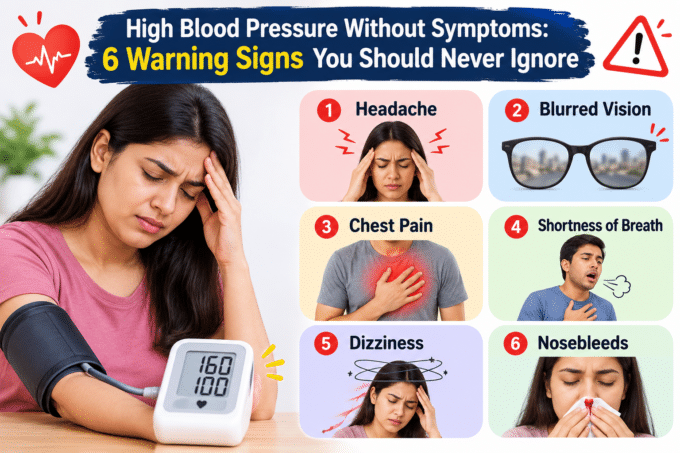
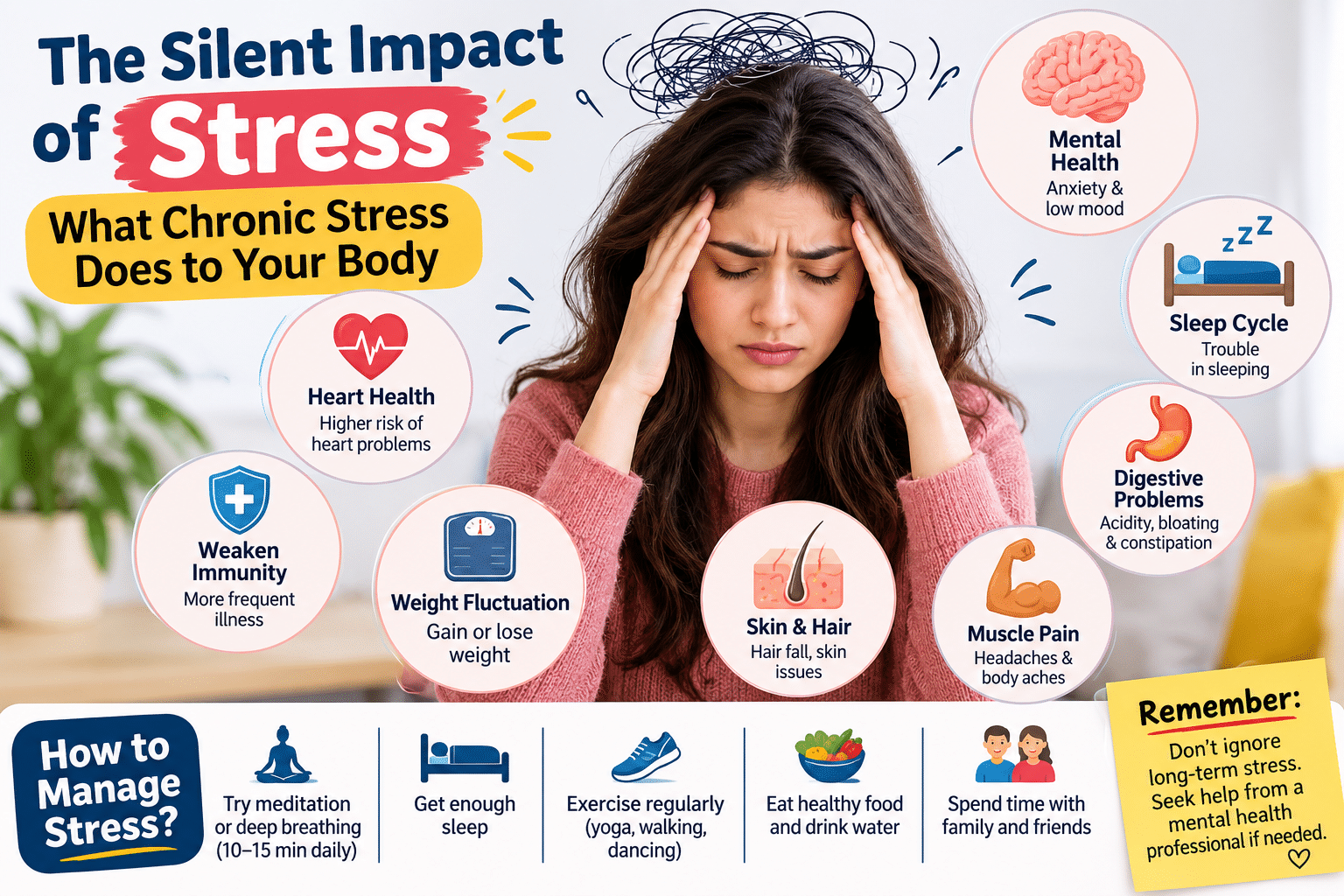
1. Heart Health: Have you ever felt discomfort or pain in your chest when you were stressed? When you experience stress, your body releases stress hormones that can increase your heart rate and blood pressure. If this happens regularly, it may increase the risk of high blood pressure and heart-related problems over time. However, chest pain should never be ignored, as it can also be a sign of a serious health problem.
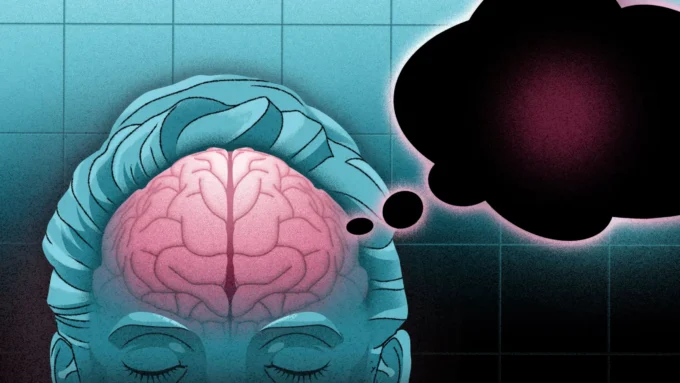
2. Sleep Cycle: One of the most common effects of stress is disturbed sleep. When you are dealing with continuous thoughts, anxiety or personal problems, your mind may find it difficult to relax. This can make it harder to fall asleep or stay asleep throughout the night. Poor sleep can also make you feel tired, irritated and less active during the day.
3. Digestive Problems: Your brain and gut are closely connected. This is why stress can affect your digestive system. People experiencing chronic stress may face problems such as acidity, gas, bloating, stomach discomfort and constipation. Stress can also affect appetite and digestion. If you experience these problems regularly, consult your doctor.
4. Weight Fluctuation: Chronic stress can lead to weight gain or weight loss. It can affect your eating habits and appetite. Some people eat more when they are stressed, while others may lose their appetite and eat less. These changes in eating habits can directly affect body weight.
5. Skin and Hair Problems: Stress does not only affect the internal parts of your body but can also affect your skin and hair. Many people experience hair fall and premature greying during stressful periods. Long-term stress can also worsen existing skin conditions such as acne, eczema and psoriasis.
6. Weak Immune System: Continuous stress can affect your immune system, which helps your body fight infections and illnesses. When stress continues for a long time, your body’s ability to manage inflammation and fight infections may be affected.
Everyone experiences stress in their daily lives, but learning how to manage it is important. A few simple lifestyle changes can help you feel better and manage everyday stress. Start your morning with 10–15 minutes of meditation or deep breathing. Make sure you get enough sleep. Try to exercise regularly or include physical activities such as yoga, dancing, swimming or cycling in your daily routine. These activities can help improve your mood.
Stress is a part of life, but ignoring it for a long time can affect your health. If you are experiencing continuous stress or anxiety that is affecting your daily life, do not ignore it. Speak to a mental health professional or psychologist and seek proper guidance.