A new targeted cancer drug has shown encouraging results in patients with advanced pancreatic cancer, raising hopes of more effective treatment for one of the deadliest forms of cancer. The drug, called daraxonrasib, stopped disease progression in approximately 90% of patients and caused tumours to shrink or disappear in more than 60% of participants in an early-stage clinical trial.
The findings come from a Phase 1/2 clinical trial involving 61 patients with metastatic pancreatic cancer. The results were presented on November 20, 2026, at the EORTC-NCI-AACR Symposium on Molecular Targets and Cancer Therapeutics in Barcelona.
Researchers found that 60.7% of patients experienced tumour shrinkage or disappearance following treatment with daraxonrasib combined with chemotherapy. In 8.2% of participants, cancer was no longer detectable on scans. The overall disease control rate was 90.2%, suggesting that the treatment could potentially offer a new approach to managing advanced pancreatic cancer.
However, researchers have cautioned that the findings are preliminary and require confirmation through larger clinical trials.
How Does The New Pancreatic Cancer Drug Daraxonrasib Work?
Daraxonrasib is an oral targeted therapy designed to block abnormal RAS proteins, particularly KRAS, which play a major role in the development and progression of pancreatic cancer.
KRAS mutations are found in more than 90% of pancreatic ductal adenocarcinoma cases, the most common form of pancreatic cancer. These mutations interfere with normal cellular signalling and keep sending instructions that encourage cancer cells to grow and multiply.
Targeting this pathway has been a major challenge for cancer researchers for decades. Daraxonrasib works by inhibiting abnormal RAS signalling, potentially slowing down or stopping the growth of cancer cells.
In the trial, patients received daraxonrasib alongside two standard chemotherapy medicines: gemcitabine and nab-paclitaxel.
What Did The Clinical Trial Reveal?
The RMC-GI-102 study evaluated the combination of daraxonrasib and chemotherapy as an initial treatment for patients with metastatic pancreatic cancer.
According to the updated findings, based on 61 patients who had received treatment by September 28, 2026:
- 90.2% achieved disease control: Their cancer either shrank, became undetectable or stopped progressing.
- 60.7% experienced tumour reduction: This included patients whose tumours disappeared on scans.
- 8.2% achieved complete responses: Their cancer was no longer detectable through the scans used in the study.
- 76.6% were alive after 12 months: This provided an encouraging early survival signal.
- 12.8 months was the median progression-free survival: This represents the time patients lived without their cancer progressing or dying.
The median follow-up period was 18.3 months.
Researchers from Memorial Sloan Kettering Cancer Center were involved in the study. Dr Wungki Park, who presented the findings, said the results indicated higher tumour response rates, deeper responses and longer disease control, which could potentially translate into improved survival.
Why Is This Development Important For Pancreatic Cancer Patients?
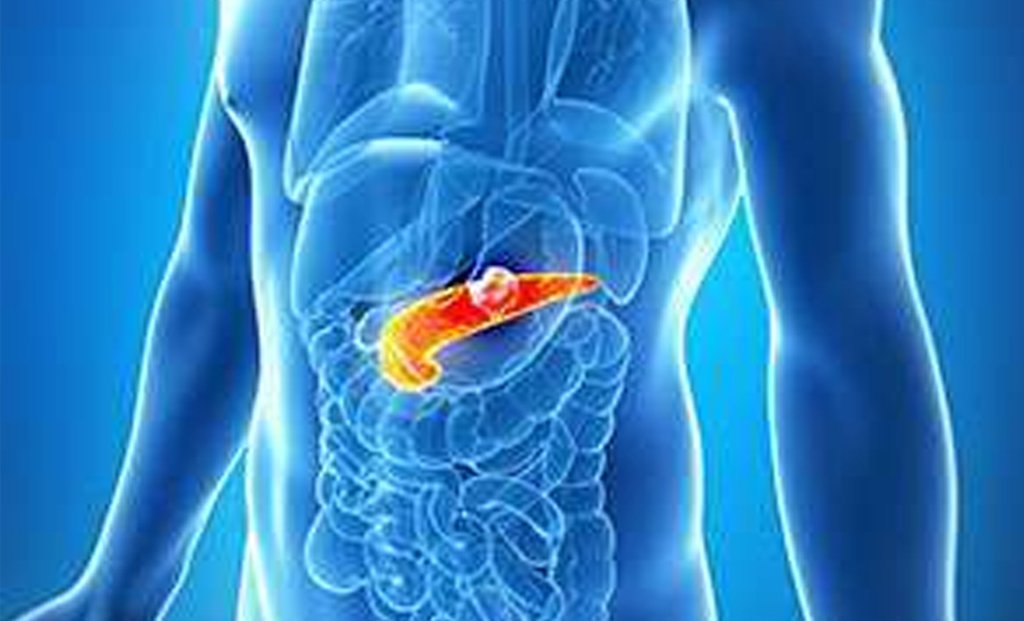
Pancreatic cancer remains particularly difficult to treat because it frequently goes undetected until it reaches an advanced stage. The pancreas is located deep inside the abdomen, and early symptoms can be vague or easily mistaken for common digestive problems.
Warning signs can include persistent abdominal or back pain, unexplained weight loss, jaundice, loss of appetite and digestive difficulties.
Once pancreatic cancer spreads to other organs, treatment becomes considerably more challenging. Conventional chemotherapy remains an important treatment option, but its effectiveness can be limited.
The development of targeted therapies such as daraxonrasib is significant because they focus on specific molecular pathways responsible for cancer growth rather than attacking rapidly dividing cells more broadly.
Does Daraxonrasib Mean A Cure For Pancreatic Cancer?
Despite the encouraging findings, experts warn against considering daraxonrasib a cure for pancreatic cancer.
The trial involved only 61 patients and did not include a separate chemotherapy-only comparison group. Therefore, researchers cannot establish how much of the observed benefit came specifically from adding daraxonrasib.
Furthermore, a tumour becoming undetectable on a CT scan does not necessarily mean that every cancer cell has been eliminated. Longer follow-up and larger controlled studies will be necessary to understand the treatment’s long-term effectiveness and safety.
The drug has already received US FDA approval for certain patients with previously treated metastatic pancreatic cancer. However, its use alongside chemotherapy as an initial treatment is a separate clinical question that requires further investigation.
For now, the results represent an important development in pancreatic cancer research, particularly because they offer fresh hope of improving disease control in patients facing an aggressive and difficult-to-treat cancer.