

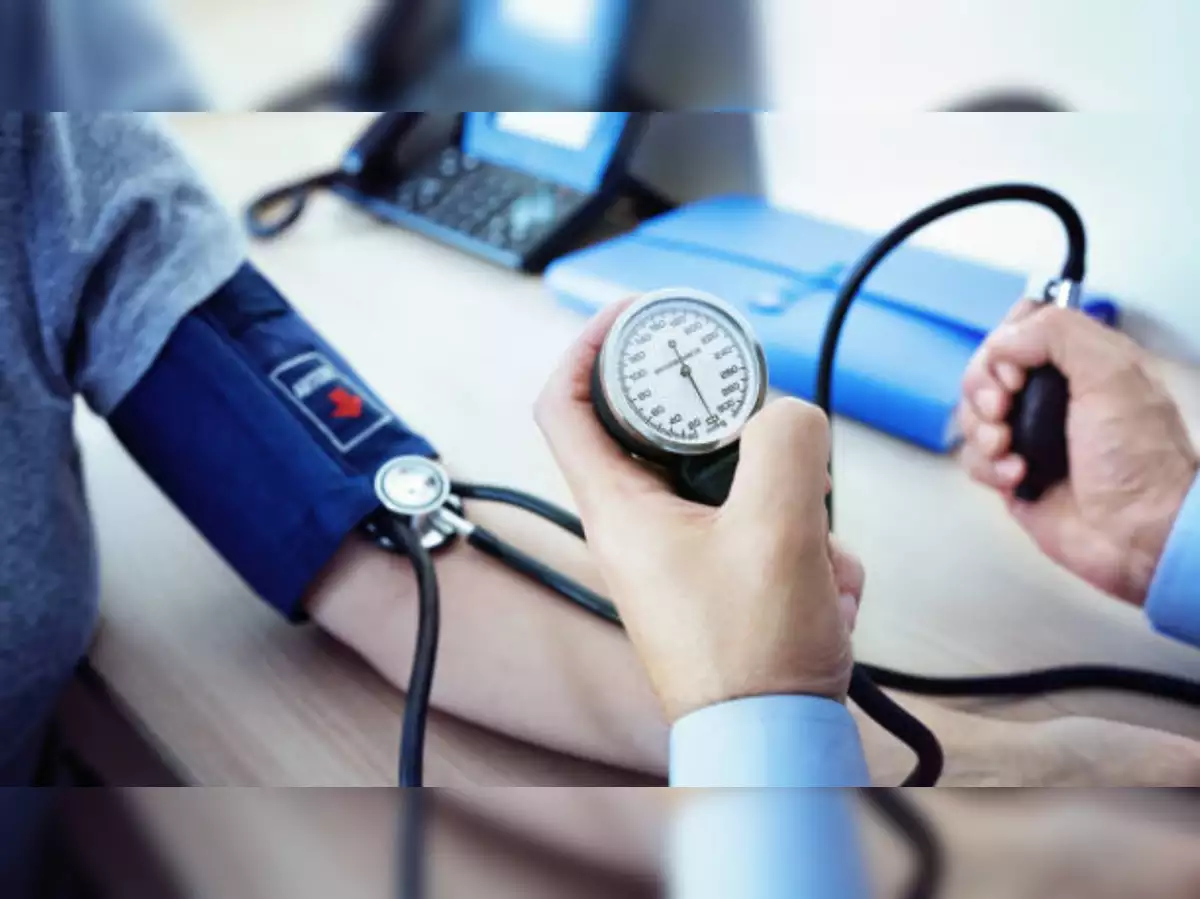
Winter may bring relief from the scorching summer heat, but colder temperatures can create additional health challenges, particularly for people living with high blood pressure (hypertension) and existing heart conditions. One important seasonal change is that blood pressure tends to rise during winter, increasing the strain on the cardiovascular system.
If you have noticed higher blood pressure readings during colder months, it may not be a coincidence. Cold weather causes blood vessels to narrow, making it harder for blood to flow through them. This increases the pressure exerted on artery walls and can place additional stress on the heart.
Research has also linked colder temperatures with an increased risk of cardiovascular events, including heart attacks and strokes, particularly among older adults and people with pre-existing health conditions.
But why does blood pressure increase in winter? Can cold weather trigger a heart attack or stroke? And what precautions should people with hypertension take during the colder months?
Here is what you need to know.
Does Blood Pressure Increase During Winter?
Yes. Blood pressure generally tends to be higher during winter and lower during summer. This seasonal variation has been documented in several studies and is observed in people with and without diagnosed hypertension.
According to the Mayo Clinic, cold temperatures cause blood vessels to narrow temporarily. As the blood vessels become narrower, the heart needs to generate more pressure to circulate blood through the body.
A 2026 review published in the journal Hypertension also explains how cold exposure can activate the body’s stress-response system, increasing blood vessel constriction and contributing to higher blood pressure. Mayo Clinic+1
The increase may be more noticeable in older adults and people whose blood pressure is already difficult to control.
Why Does Cold Weather Increase Blood Pressure?
There are several physiological and lifestyle-related reasons why blood pressure may rise during winter.
1. Blood vessels become narrower
One of the main reasons blood pressure increases in cold weather is vasoconstriction, a process in which blood vessels narrow.
When the body is exposed to low temperatures, it tries to conserve heat and maintain its core temperature. To achieve this, blood vessels close to the skin constrict, reducing blood flow to the extremities.
This increases resistance to blood flow, which can cause blood pressure to rise.
2. The body’s stress response becomes more active
Cold exposure can activate the sympathetic nervous system, which controls the body’s fight-or-flight response.
This can increase the release of stress hormones such as noradrenaline, contributing to blood vessel constriction and changes in heart rate and blood pressure.
The combined effect can put additional strain on the cardiovascular system, particularly in people with hypertension or coronary artery disease. pubmed.ncbi.nlm.nih.gov+1
3. Physical activity may decrease
People often become less physically active during winter because of shorter days, colder mornings and uncomfortable outdoor conditions.
Reduced physical activity, combined with changes in eating habits and possible winter weight gain, can make blood pressure more difficult to manage.
A sedentary lifestyle can also contribute to weight gain and worsen existing cardiovascular risk factors.
4. High-salt food intake may increase
Winter diets can include more packaged snacks, processed foods, pickles, soups and other high-sodium preparations.
Excessive sodium intake can cause the body to retain water, increasing blood volume and raising blood pressure in susceptible individuals.
People with hypertension should pay attention to their salt intake even when they are eating home-cooked meals.
5. Blood pressure may rise during cold winter mornings
Early mornings can be particularly challenging for people with hypertension.
Blood pressure naturally rises around the time of waking as the body becomes more active. When this morning surge coincides with exposure to cold temperatures, the combined effect can increase cardiovascular stress.
A 2026 review published in Hypertension highlighted the interaction between cold exposure and the body’s natural morning blood pressure surge, identifying winter mornings as an important period for cardiovascular risk management. pubmed.ncbi.nlm.nih.gov
Can Cold Weather Increase The Risk Of Heart Attack And Stroke?
Yes. Cold weather can increase cardiovascular strain and may contribute to a higher risk of heart attacks and strokes, especially in people with existing heart disease, hypertension or other risk factors.
When blood vessels narrow, blood pressure rises and the heart has to work harder to circulate blood. In people with narrowed coronary arteries, this additional demand can make it harder for the heart muscle to receive sufficient oxygen.
Cold exposure may also influence blood clotting and circulation, further contributing to cardiovascular risks.
According to the American Heart Association (AHA), extreme cold can affect the heart and blood vessels, and studies have associated cold spells with increased cardiovascular events, including heart attacks, strokes and heart failure complications. American Heart Association+1
Who Is More Vulnerable During Winter?
Certain groups need to be particularly careful when temperatures drop:
- People with high blood pressure: Cold temperatures may cause additional fluctuations in already elevated blood pressure.
- Older adults: Age-related changes in blood vessel function and temperature regulation can make older people more vulnerable.
- People with heart disease: Those with coronary artery disease, heart failure or a history of heart attack may experience additional cardiovascular strain.
- People with diabetes: Diabetes can increase cardiovascular risk and may coexist with hypertension and other health complications.
- People with high cholesterol: Existing plaque buildup in arteries can increase the risk of cardiovascular complications.
- Smokers: Smoking damages blood vessels and increases the risk of heart disease, making cold-weather cardiovascular stress an additional concern.
What Are The Warning Signs Of High Blood Pressure And Heart Problems In Winter?
High blood pressure is often called a silent condition because many people do not experience noticeable symptoms, even when their readings are elevated.
Therefore, relying only on symptoms to identify high blood pressure is not advisable.
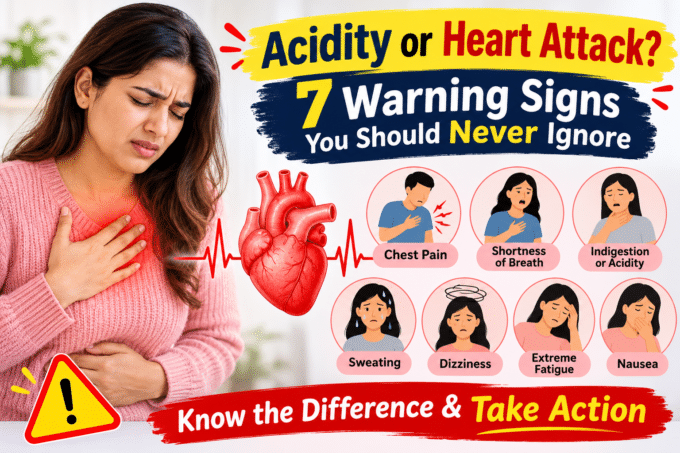
However, certain warning signs may indicate a cardiovascular emergency and should never be ignored.
These include:
- Chest pain, pressure or tightness.
- Sudden breathlessness.
- Severe or unusual headache.
- Sudden weakness or numbness, particularly on one side of the body.
- Sudden difficulty speaking or understanding speech.
- Dizziness accompanied by other concerning symptoms.
- Sudden changes in vision.
Important: Chest pain, sudden breathlessness or stroke-like symptoms require immediate medical attention. Do not wait for symptoms to disappear or attempt to manage them at home.
How To Control Blood Pressure During Winter: 7 Precautions To Follow
People with hypertension can take several practical steps to maintain better blood pressure control during colder months.
1. Monitor Your Blood Pressure Regularly
Keep track of your blood pressure readings, particularly if you have hypertension or have noticed seasonal fluctuations.
Use a validated automatic upper-arm blood pressure monitor and take measurements under consistent conditions. Avoid measuring immediately after exercise, smoking or consuming caffeine.
Discuss consistently elevated readings with your doctor rather than making changes to your medication yourself.
2. Keep Your Body Warm
Avoid sudden exposure to very cold temperatures, particularly early in the morning.
Wear warm clothing in layers, including socks, gloves and a cap when stepping outdoors. Keep indoor spaces comfortably warm, especially if you are older or have a cardiovascular condition.
3. Avoid Sudden Strenuous Exercise In The Cold
Physical activity is important for heart health, but suddenly undertaking intense exercise in cold weather can put additional strain on the cardiovascular system.
Warm up gradually before walking or exercising outdoors. If temperatures are particularly low, consider indoor activities such as walking, stretching or light exercises.
4. Reduce Salt Intake
Excessive sodium can increase blood pressure, particularly in people who are salt-sensitive.
Limit packaged snacks, processed foods, salty pickles and other high-sodium products. Choose fresh fruits, vegetables, whole grains and home-cooked meals with moderate salt.
5. Continue Taking Prescribed Medication
Do not stop or reduce your blood pressure medication because you feel better or because the weather changes.
Some people may require adjustments to their treatment as seasons change, but these decisions should only be made by a healthcare professional after reviewing blood pressure readings.
6. Stay Physically Active
Regular physical activity can help support healthy blood pressure, maintain body weight and improve cardiovascular fitness.
Aim for at least 150 minutes of moderate-intensity physical activity per week, if medically appropriate. Indoor walking, yoga and other suitable exercises can help maintain consistency during winter.
7. Eat A Heart-Healthy Diet And Stay Hydrated
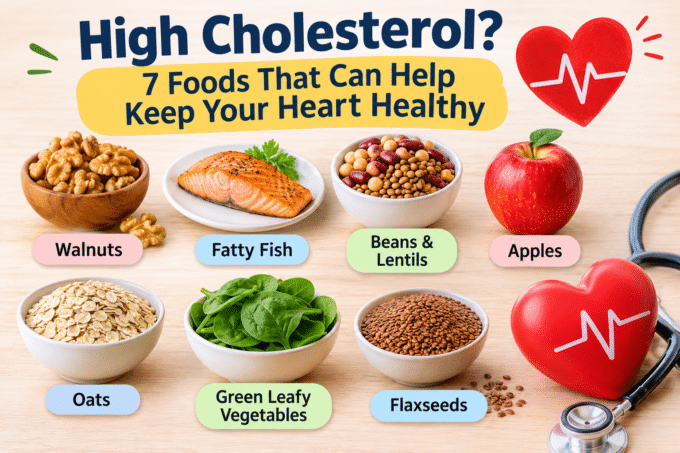
Include potassium-rich foods such as bananas, spinach, beans and other vegetables, unless your doctor has advised you to restrict potassium.
Maintain adequate hydration even when you do not feel particularly thirsty. Limit excessive alcohol intake and avoid smoking.
A balanced diet, regular physical activity and consistent sleep can all contribute to better cardiovascular health.
When Should You See A Doctor?
If your blood pressure readings remain higher than your usual levels during winter, consult your healthcare provider. Repeated readings of 140/90 mmHg or higher warrant medical evaluation, although treatment targets may differ depending on age, health conditions and individual cardiovascular risk.
If your blood pressure is above 180/120 mmHg, wait at least one minute and measure it again. If it remains that high, seek immediate medical advice. If it is accompanied by chest pain, breathlessness, weakness, numbness, vision changes or difficulty speaking, call emergency services immediately. Do not wait for a routine appointment in such situations.














Leave a comment