

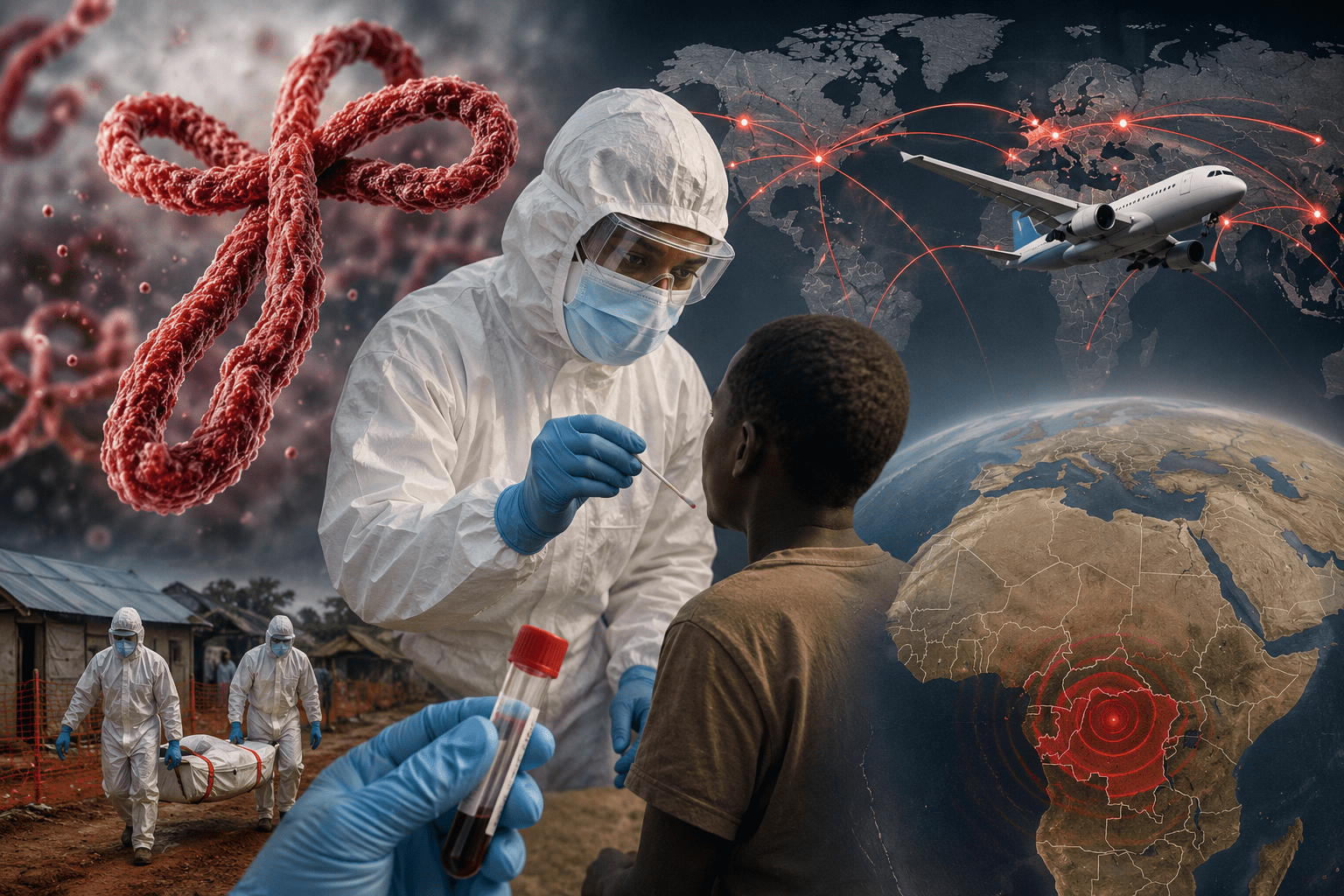
The ongoing Bundibugyo Ebola outbreak has raised concerns among global health authorities, particularly because there is currently no licensed vaccine specifically approved to prevent the disease. Unlike the Zaire Ebola virus, against which an effective vaccine is available, the Bundibugyo virus belongs to a distinct species of the Ebola virus family and requires its own targeted research and clinical evaluation.
The outbreak has also highlighted the challenges of detecting and controlling a disease that can initially resemble common infections such as malaria, while potentially progressing to severe gastrointestinal complications, organ dysfunction and, in some cases, death.
Although vaccine research is advancing, scientists are still evaluating whether existing Ebola vaccines can provide protection against the Bundibugyo virus and whether newly developed candidates are safe and effective.
So, what makes the Bundibugyo Ebola virus particularly concerning? Why is there no approved vaccine yet, and how are health authorities working to control the outbreak?
What Is The Bundibugyo Ebola Virus?
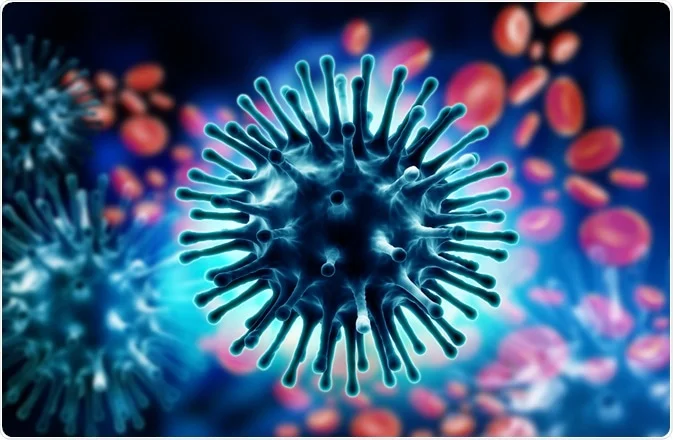
Bundibugyo virus disease (BVD) is a severe infectious disease caused by the Bundibugyo virus, a member of the Orthoebolavirus genus. It is one of the four known orthoebolavirus species that can cause Ebola disease in humans.
The virus was first identified during an outbreak in Bundibugyo District, Uganda, in 2007. Another outbreak was reported in the Democratic Republic of the Congo (DRC) in 2012.
The virus can spread from infected animals to humans and subsequently between people through direct contact with infected blood, bodily fluids, organs or contaminated materials. Fruit bats are suspected to be the natural reservoir, although the precise natural transmission cycle is not fully understood.
The current outbreak, first detected in May 2026, has expanded across parts of the DRC, prompting an international public health response.
Why Is There No Approved Vaccine For Bundibugyo Ebola?
One of the biggest challenges in controlling Bundibugyo Ebola is the absence of a licensed vaccine specifically developed and approved for this virus.
Although vaccines are available against certain types of Ebola, they cannot automatically be considered effective against every virus belonging to the same family.
According to the World Health Organization (WHO), four orthoebolavirus species are known to cause disease in humans:
- Ebola virus (EBOV)
- Bundibugyo virus (BDBV)
- Sudan virus (SUDV)
- Taï Forest virus (TAFV)
These viruses are genetically distinct. Consequently, a vaccine that protects against one species may not provide adequate protection against another.
The Ervebo vaccine, for example, is licensed and WHO-prequalified for preventing disease caused by the Zaire Ebola virus. However, its effectiveness against Bundibugyo virus has not been established.
This is why researchers need clinical evidence to determine whether an existing vaccine can offer cross-protection or whether a vaccine specifically designed for Bundibugyo virus is required.
What Makes The Bundibugyo Ebola Virus So Dangerous?
Several factors make this infection particularly challenging for healthcare systems and outbreak-control teams.
1. It Can Cause Severe Disease And Organ Dysfunction
Bundibugyo virus disease can initially produce symptoms such as fever, headache, muscle pain, weakness and sore throat.
As the infection progresses, patients may develop vomiting, diarrhoea, abdominal pain and severe dehydration. In serious cases, the disease can affect vital organs, including the liver and kidneys, and cause circulatory complications and shock.
Some patients may also develop haemorrhagic manifestations, although visible bleeding does not occur in every case.
The combination of systemic inflammation, fluid loss, blood-clotting abnormalities and organ dysfunction can make severe infections life-threatening.
2. Early Symptoms Can Be Difficult To Identify
Another major challenge is that the initial symptoms of Bundibugyo Ebola are not unique to the disease.
Fever, headache, fatigue and muscle pain can also occur in malaria, typhoid and other common infections.
This overlap can delay diagnosis, particularly in regions where access to specialised laboratory testing is limited.
Laboratory confirmation is essential to distinguish Bundibugyo virus disease from other illnesses and initiate appropriate infection-control measures.
3. There Is No Licensed Bundibugyo-Specific Vaccine Or Approved Targeted Treatment
The absence of a licensed vaccine makes prevention through immunisation particularly challenging.
There is also no approved specific antiviral treatment for Bundibugyo virus disease. Treatment primarily involves supportive medical care, including fluid and electrolyte replacement, maintaining blood pressure, managing complications and monitoring vital organ function.
However, this does not mean that the disease is untreatable. Prompt diagnosis and appropriate supportive care can improve outcomes.
Researchers are also investigating experimental treatments through clinical trials.
4. The Virus Can Spread Through Direct Contact With Infected Bodily Fluids
Bundibugyo virus spreads through direct contact with the blood, secretions, organs and other bodily fluids of an infected person.
Transmission may also occur through contaminated clothing, medical equipment, surfaces and materials.
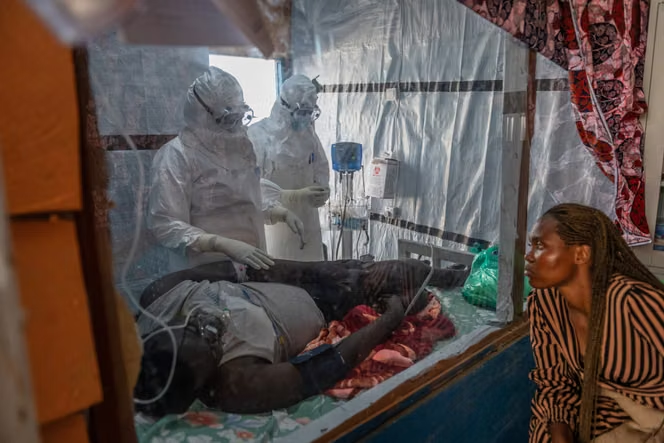
Healthcare workers, caregivers and family members can be exposed when appropriate infection-prevention measures are not followed.
Unsafe burial practices involving direct contact with the body of someone who died from the infection can also contribute to transmission.
Importantly, people infected with Bundibugyo virus are not considered infectious before symptoms begin.
5. Outbreak Control Can Be Difficult In Areas With Limited Healthcare Access
The current outbreak has also exposed challenges related to healthcare infrastructure, surveillance, diagnostic capacity and access to medical supplies.
In remote communities, delays in identifying suspected cases, transporting samples and providing specialised care can allow transmission chains to continue.
Healthcare facilities also need adequate protective equipment, trained personnel, isolation facilities and infection-prevention protocols to prevent infections among medical staff and other patients.
Are Scientists Developing A Vaccine For Bundibugyo Ebola?
Yes. Researchers and international health agencies are working to develop vaccines specifically targeting the Bundibugyo virus.
In November 2026, WHO announced that two additional vaccine candidates had been recommended for evaluation in the ongoing Tumaini clinical trial in the DRC.
These include:
1. ChAdOx1-BDBV: Developed by the University of Oxford in collaboration with the Serum Institute of India, this candidate uses a viral-vector platform and is designed to target the Bundibugyo virus.
2. mRNA-1469: Developed by Moderna, this is an mRNA-based vaccine candidate designed to generate an immune response against the Bundibugyo virus.
The Tumaini trial is designed to evaluate multiple vaccine candidates through a ring-vaccination approach, which focuses on people who have been in contact with confirmed cases and others at high risk of exposure.
The trial is also evaluating Ervebo, the licensed vaccine against Zaire Ebola virus, to determine whether it offers protection against Bundibugyo virus.
However, these candidates are still under clinical evaluation and should not be described as approved or proven vaccines for Bundibugyo Ebola.
WHO has indicated that results from the vaccine trial are expected in early 2027.
Is There Any Treatment For Bundibugyo Ebola?
There is currently no approved targeted antiviral treatment specifically for Bundibugyo virus disease. Supportive care remains the foundation of clinical management.
Depending on the patient’s condition, treatment may involve:
- Intravenous fluids to manage dehydration.
- Electrolyte replacement to correct fluid imbalances.
- Monitoring blood pressure and oxygen levels.
- Management of kidney and liver complications.
- Treatment of secondary infections when identified.
- Intensive care and organ-supportive treatment in severe cases.
Scientists are also investigating potential antiviral and antibody-based treatments through clinical trials.
WHO’s PARTNERS trial is evaluating treatments including remdesivir and the monoclonal antibody MBP134, with additional investigational therapies being considered.
These are experimental approaches and should not be presented as established treatments.
How Deadly Is Bundibugyo Ebola?
The severity of Bundibugyo virus disease varies between outbreaks and depends on several factors, including early diagnosis, the availability of supportive care and the healthcare infrastructure in affected areas.
Historical outbreaks in Uganda in 2007 and the DRC in 2012 recorded case fatality ratios of approximately 30% and 50%, respectively, according to WHO.
The current outbreak has also raised serious concerns because of its scale, sustained transmission and high reported mortality.
However, a case fatality ratio calculated during an ongoing outbreak can change as additional cases are identified, outcomes are recorded and surveillance data are updated.












Leave a comment