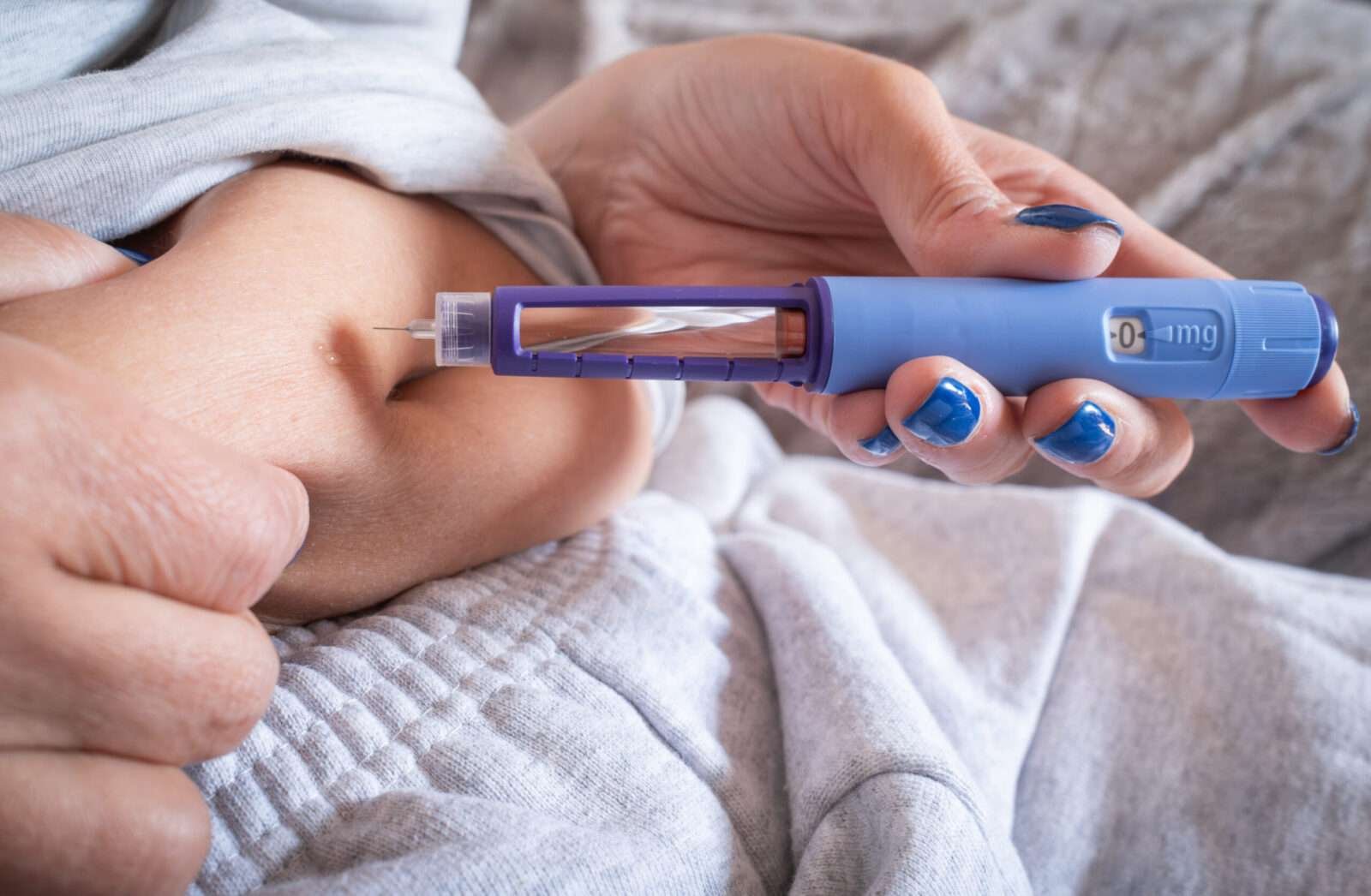
GLP-1 medications have gained considerable attention for their ability to help people lose weight, manage type 2 diabetes and improve cardiovascular health. Drugs such as semaglutide, sold under brand names including Ozempic and Wegovy, are increasingly being prescribed to people struggling with obesity and metabolic disorders. However, an important question remains: what happens to your heart health when you stop taking these medications?
A new study published in The Lancet Regional Health – Europe has raised concerns about the potential cardiovascular risks associated with discontinuing GLP-1 receptor agonists (GLP-1 RAs). Researchers found that people with type 2 diabetes who stopped taking these medications experienced approximately twice the rate of a combined outcome involving non-fatal heart attacks, non-fatal strokes and death from any cause compared with those who continued treatment.
Interestingly, the increased risk was observed even though changes in conventional cardiovascular risk factors, including body weight and blood sugar levels, appeared relatively modest.
The findings highlight the importance of understanding what happens after stopping GLP-1 medications, particularly among people who take them to manage type 2 diabetes and reduce their risk of cardiovascular complications.
But does stopping Ozempic or Wegovy immediately increase your risk of a heart attack? Why might the cardiovascular benefits of these medications diminish after discontinuation? Here is what the research reveals.
What Are GLP-1 Drugs And How Do They Affect Heart Health?
GLP-1 receptor agonists are a class of medicines that mimic the action of a naturally occurring hormone called glucagon-like peptide-1 (GLP-1).
This hormone plays an important role in regulating blood glucose levels, appetite and digestion. GLP-1 medications help the body release insulin when blood sugar levels are high, reduce glucagon secretion and slow stomach emptying. They can also increase feelings of fullness, helping people consume fewer calories.
Some commonly prescribed GLP-1 medications include:
- Semaglutide: Available under brand names such as Ozempic and Wegovy.
- Liraglutide: Sold under brand names including Victoza and Saxenda.
- Dulaglutide: Sold as Trulicity.
- Exenatide: Available under brand names such as Byetta and Bydureon.
These medicines are primarily used for type 2 diabetes and, depending on the formulation and approval, chronic weight management. Certain GLP-1 medications have also demonstrated cardiovascular benefits in people with specific health conditions.
Their potential heart-health benefits may be linked to improvements in several risk factors, including blood sugar levels, body weight, blood pressure and cholesterol. Research also suggests that these medicines may influence inflammation and blood vessel function.
However, the benefits and approved uses vary between individual medications and patient groups.
What Did The New Study Find About Stopping GLP-1 Drugs?
The research, published in The Lancet Regional Health – Europe, examined the association between stopping GLP-1 receptor agonist treatment and cardiovascular outcomes in people with type 2 diabetes.
Researchers analysed health records collected between 2004 and 2024 from 301 diabetes clinics across Italy.
The study included 80,302 people with type 2 diabetes who had received at least one prescription for a GLP-1 receptor agonist. Of these, 48,615 people, or approximately 60.5%, had discontinued treatment by their last recorded visit.
After statistical matching, researchers compared two groups of 28,713 participants each: those who continued treatment and those who discontinued it.
The primary outcome was a combination of non-fatal heart attack, non-fatal stroke and death from any cause.
The findings revealed:
- People who discontinued GLP-1 treatment experienced approximately twice the incidence of the combined cardiovascular and mortality outcome compared with those who continued treatment.
- The incidence rates were 3.94 events per 100 person-years after discontinuation compared with 1.96 events per 100 person-years during continued treatment.
- The association remained broadly similar in additional sensitivity analyses.
- The researchers also observed a higher rate of death from any cause among people who discontinued treatment.
These findings suggest that stopping GLP-1 medications may be associated with a loss of some of their broader health benefits. However, the study does not establish that discontinuing the drugs directly causes heart attacks, strokes or death.
Why Could Stopping GLP-1 Medications Affect Your Heart Health?
GLP-1 medications do more than help regulate appetite and blood sugar. Their effects on several metabolic and cardiovascular risk factors may contribute to better heart health.
When treatment is discontinued, some of these improvements may gradually diminish. Researchers are investigating several possible explanations.
1. Blood Sugar Levels May Become Difficult To Control
GLP-1 medications help regulate blood glucose by stimulating insulin release when blood sugar levels rise and reducing glucagon secretion. When a person stops taking these medicines, their blood glucose levels may increase, particularly if they do not have an alternative diabetes management plan.
Persistently high blood sugar can damage blood vessels and increase the risk of cardiovascular complications over time.
2. Weight Regain May Increase Cardiovascular Risk
One of the most widely discussed effects of stopping GLP-1 weight-loss medications is weight regain. These drugs help reduce appetite and increase feelings of fullness, making it easier for people to maintain a calorie deficit. Once treatment is discontinued, appetite may increase and some of the lost weight may return.
Weight regain can contribute to higher blood pressure, unfavourable cholesterol levels and insulin resistance, all of which are associated with cardiovascular disease.
However, the Italian study found that changes in conventional risk factors, including weight and blood glucose, were relatively modest. This suggests that weight regain alone may not explain the higher cardiovascular event rates observed.
3. Blood Pressure And Cholesterol Improvements May Decline
GLP-1 medications can improve certain cardiovascular risk factors in some patients, including blood pressure and lipid levels. These improvements may be partly linked to weight loss, better metabolic health and other biological effects of the medicines.
After discontinuation, some of these benefits may diminish, potentially contributing to a less favourable cardiovascular risk profile.
4. Some Potential Protective Effects On Blood Vessels May Be Lost
Researchers have also investigated whether GLP-1 medications have cardiovascular effects beyond their influence on weight and blood sugar. Some studies suggest that GLP-1 receptor activation may help improve endothelial function, reduce inflammation and influence processes involved in blood clot formation.
The endothelium is the thin layer of cells lining blood vessels. It plays an important role in regulating blood flow and maintaining vascular health. When GLP-1 treatment is discontinued, some of these potential benefits may diminish.
However, the precise biological mechanisms behind the increased cardiovascular risk observed in the Italian study remain uncertain. These explanations are possible mechanisms, not proven reasons for the study’s findings.
Does Stopping Ozempic Or Wegovy Increase Your Risk Of A Heart Attack?
The new findings raise concerns about cardiovascular outcomes after stopping GLP-1 medications, but they need to be interpreted carefully.
The Italian study found an association between discontinuing GLP-1 treatment and a higher incidence of heart attack, stroke or death from any cause in people with type 2 diabetes.
However, it does not establish that everyone who stops Ozempic or Wegovy will experience an increased risk of a heart attack.
There are also important differences between these medications and their approved uses. For example, semaglutide formulations used for type 2 diabetes and chronic weight management may have different approved indications and dosing schedules.
The study specifically examined people with type 2 diabetes who had no previous major cardiovascular events when they started GLP-1 treatment. Its findings cannot automatically be applied to everyone taking these drugs for weight loss.
Researchers also acknowledged that factors such as underlying health conditions, financial difficulties, treatment side effects and reasons for discontinuation could have influenced the results.
Why Do People Stop Taking GLP-1 Weight-Loss Drugs?
Despite their benefits, GLP-1 medications are not suitable or accessible for everyone. Several factors can lead people to discontinue treatment.
Common reasons include:
- Gastrointestinal side effects: Nausea, vomiting, diarrhoea and constipation can make treatment difficult to tolerate.
- High treatment costs: Long-term medication expenses can become financially challenging.
- Limited availability: Supply issues may interrupt treatment for some patients.
- Unrealistic weight-loss expectations: Some people discontinue treatment when they do not achieve the expected results.
- Concerns about long-term medication use: Patients may feel they no longer need treatment after reaching their weight-loss goals.
The study highlights the importance of addressing these barriers rather than assuming that patients can simply stop treatment without consequences.
Should You Stop Taking GLP-1 Medications Once You Lose Weight?
Not necessarily. Reaching your weight-loss goal does not automatically mean you no longer need medication.
For people with type 2 diabetes, GLP-1 medications may be prescribed to manage blood sugar and, in eligible patients, reduce cardiovascular risk. Discontinuing treatment without an alternative management plan may affect diabetes control and other health parameters.
If you are considering stopping Ozempic, Wegovy or another GLP-1 medication, keep these precautions in mind:
- Consult your doctor first: Discuss why you want to discontinue treatment and whether an alternative medication or management plan is needed.
- Monitor blood sugar: People with diabetes should continue checking their glucose levels as advised by their healthcare professional.
- Keep track of heart-health indicators: Monitor blood pressure, cholesterol and body weight.
- Maintain healthy eating habits: Follow a balanced diet with adequate fibre, protein, fruits and vegetables.
- Stay physically active: Regular physical activity can support weight management, blood sugar control and cardiovascular health.
Never change your dosage or discontinue prescribed diabetes medication without medical guidance.