

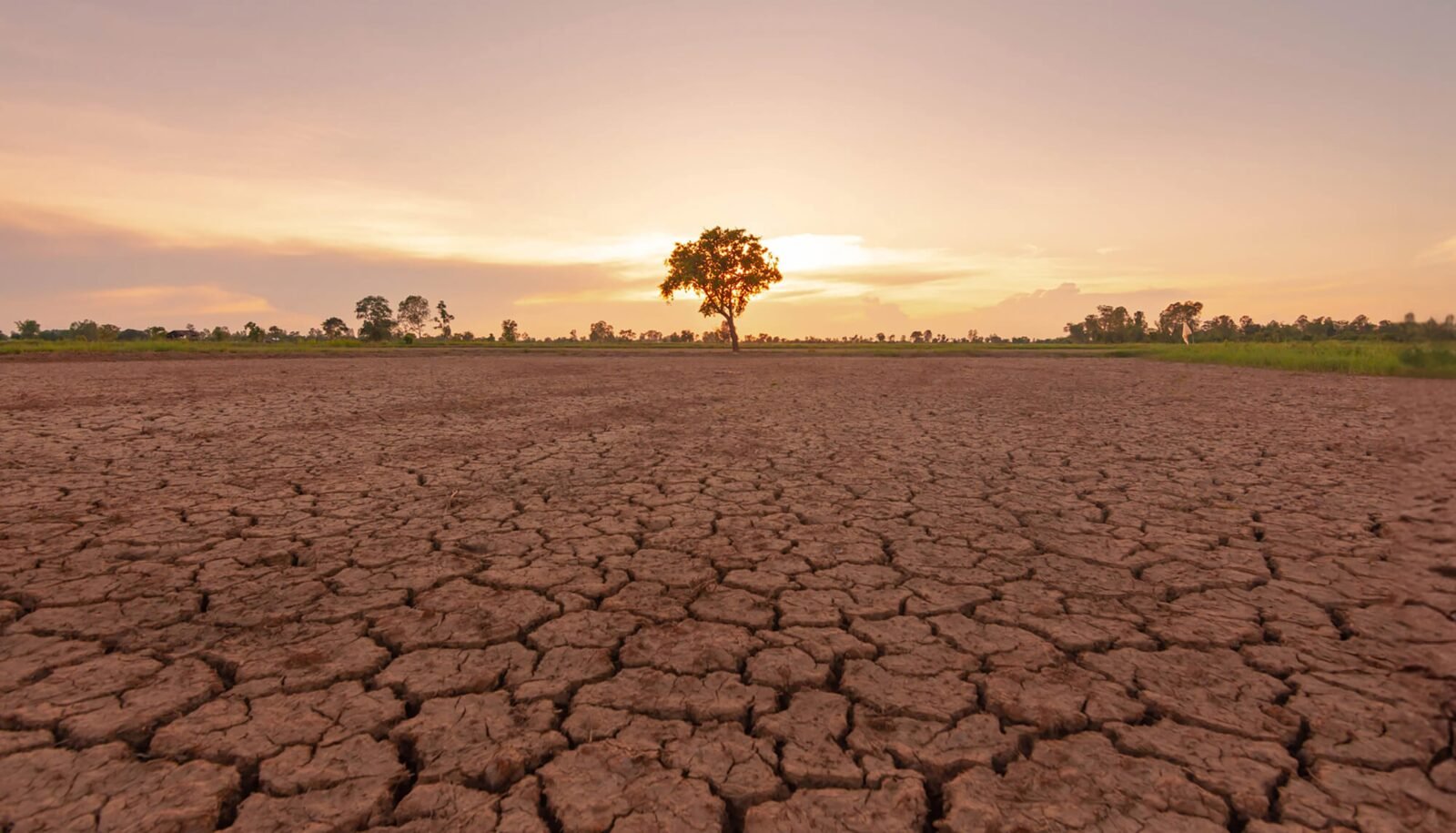
El Niño 2026 is drawing attention not just because of its potential impact on global weather patterns but also because of the health risks associated with extreme temperatures, irregular rainfall, droughts and flooding. While climate phenomena are often discussed in terms of their effects on agriculture, water availability and the economy, their impact on human health is equally important.
Changes in temperature, humidity and rainfall can influence the spread of infectious diseases, increase the risk of heat-related illnesses and disrupt access to safe drinking water and nutritious food. For countries like India, where heatwaves, dengue, malaria and waterborne infections are already significant public health concerns, changing weather patterns can create additional challenges.
But can El Niño increase the risk of infections? Does extreme heat make people more vulnerable to dehydration and heatstroke? And how can you protect yourself and your family? Here is what you need to know about El Niño 2026, its potential health effects and the precautions you should take.
What is El Niño and why is it important in 2026?
El Niño is a naturally occurring climate phenomenon characterised by unusually warm sea surface temperatures in the central and eastern tropical Pacific Ocean. It is part of a larger climate pattern known as the El Niño-Southern Oscillation (ENSO), which influences atmospheric circulation, temperature and rainfall across different parts of the world.
During an El Niño event, changes in ocean temperatures affect wind patterns and rainfall distribution. Some regions may experience unusually dry conditions, while others may face excessive rainfall and flooding.
The intensity and geographical impact of every El Niño event are different. However, strong El Niño conditions can influence global temperatures and increase the likelihood of certain extreme weather events.
The 2026-27 El Niño event has attracted attention because of forecasts indicating that the phenomenon could strengthen towards the end of 2026 and influence weather patterns into early 2027.
For India, the implications are particularly important because of its dependence on seasonal rainfall, large population, agricultural activity and existing burden of infectious diseases.
It is important to understand that El Niño does not directly cause infections or guarantee heatwaves or disease outbreaks. Instead, it can influence environmental conditions that may increase certain health risks.
6 ways El Niño-related extreme weather can affect human health
Extreme weather can affect the human body in several ways. From heat exhaustion to infectious diseases, changes in environmental conditions can create additional health challenges.
Here are six potential health risks associated with El Niño.
1. Extreme heat can increase the risk of heatstroke and dehydration
One of the most immediate health concerns associated with rising temperatures is heat-related illness.
During extreme heat, the body struggles to maintain its normal internal temperature. Prolonged exposure to high temperatures, particularly when combined with humidity, physical activity and inadequate fluid intake, can overwhelm the body’s natural cooling mechanisms.
This can lead to several conditions:
- Dehydration: Excessive sweating causes the body to lose water and essential electrolytes.
- Heat exhaustion: Symptoms include excessive sweating, weakness, dizziness, headache, nausea and muscle cramps.
- Heatstroke: A life-threatening medical emergency in which the body’s temperature regulation fails, potentially causing confusion, seizures, unconsciousness and organ damage.
- Cardiovascular stress: Extreme heat makes the heart work harder to maintain circulation and regulate body temperature.
Older adults, infants, outdoor workers, pregnant women and people with diabetes, kidney disease or cardiovascular conditions may be particularly vulnerable.
2. Changing rainfall patterns can increase the risk of dengue and malaria
Temperature, rainfall and humidity play an important role in the breeding and survival of mosquitoes that transmit infectious diseases.
Changes in these environmental conditions can influence mosquito breeding sites, their development and their ability to transmit pathogens.
Depending on local weather conditions, El Niño-related climate changes may influence the transmission of:
- Dengue
- Malaria
- Chikungunya
- Other mosquito-borne infections
Heavy rainfall can create stagnant water collections where mosquitoes breed. On the other hand, prolonged drought may force households to store water in containers, tanks and other uncovered spaces, creating additional breeding sites.
Warmer temperatures can also influence mosquito development and the time pathogens take to develop inside mosquitoes. However, extremely hot and dry conditions can reduce mosquito survival.
Therefore, the relationship between El Niño and mosquito-borne diseases is complex. Local rainfall, humidity, temperature, sanitation and mosquito-control measures all influence the risk of infection.
3. Flooding can increase the risk of waterborne infections
Although El Niño is associated with drought in several regions, it can also contribute to unusual rainfall patterns and flooding in other parts of the world.
Flooding can damage sanitation infrastructure, contaminate drinking-water sources and disrupt access to clean water.
When sewage mixes with drinking water or floodwater, people may be exposed to harmful microorganisms that cause infections.
Some common waterborne diseases include:
- Cholera: A bacterial infection that can cause severe watery diarrhoea and dehydration.
- Typhoid: A bacterial infection that spreads through contaminated food and water.
- Acute diarrhoeal diseases: These can cause vomiting, diarrhoea and severe dehydration.
- Hepatitis A: A viral infection that can spread through contaminated food and water.
Children, older adults and people with weakened immune systems may face a greater risk of complications from these infections.
4. Drought can increase the risk of food insecurity and malnutrition
Prolonged dry conditions can affect agricultural production, reduce crop yields and disrupt food supply chains.
When water availability decreases, farming communities may struggle to maintain crop production. This can affect the availability and affordability of nutritious foods, particularly for economically vulnerable households.
Food insecurity can have several health consequences:
- Undernutrition in children.
- Micronutrient deficiencies.
- Poor physical growth and development.
- Reduced immunity.
- Increased vulnerability to infections.
Children under five, pregnant women and breastfeeding mothers are particularly vulnerable to nutritional deficiencies.
The effects may continue beyond the immediate period of drought, as disruptions in agricultural production, household income and food availability can affect nutritional health for months.
5. Extreme weather can worsen respiratory problems
El Niño-related droughts and dry conditions can increase the risk of wildfires in certain regions.
Wildfires release smoke and fine particulate matter into the atmosphere, including PM2.5, which can penetrate deep into the lungs and enter the bloodstream.
Exposure to wildfire smoke and poor air quality can trigger or worsen:
- Asthma attacks.
- Chronic obstructive pulmonary disease (COPD).
- Coughing and throat irritation.
- Breathlessness.
- Other respiratory complications.
People with existing respiratory conditions, children and older adults may be especially vulnerable.
Additionally, extreme heat can worsen the effects of air pollution, creating further challenges for people with underlying heart and lung conditions.
6. Extreme weather can disrupt healthcare services
The health impact of El Niño is not limited to illnesses caused by changing environmental conditions. Extreme weather events can also disrupt healthcare services and disease prevention programmes.
Flooding may damage healthcare facilities, roads and transportation networks, while drought and heat can affect water availability, electricity supply and the storage of temperature-sensitive medicines and vaccines.
These disruptions can delay:
- Routine immunisation programmes.
- Maternal and child healthcare.
- Diagnosis and treatment of infectious diseases.
- Access to essential medicines.
- Emergency medical services.
When healthcare access is disrupted, communities may become more vulnerable to outbreaks and complications from otherwise preventable or treatable illnesses.
What could El Niño 2026 mean for India’s public health?
India is particularly sensitive to climate variability because of its dependence on seasonal rainfall, large population, agricultural activity and existing burden of infectious diseases.
Changing weather patterns can create several public health concerns across different parts of the country.
Heat-related illnesses: Higher temperatures during vulnerable seasons can increase the risk of dehydration, heat exhaustion and heatstroke, particularly among outdoor workers and older adults.
Dengue and malaria: Changes in rainfall and temperature may influence mosquito breeding and disease transmission. Urban areas with inadequate drainage and stagnant water may face additional challenges.
Waterborne infections: Flooding, disrupted sanitation and unsafe drinking water can increase the risk of diarrhoeal diseases, cholera and typhoid.
Undernutrition: Drought and agricultural disruptions can affect food availability, food prices and nutritional security, particularly among vulnerable households.
Respiratory problems: Wildfire smoke, dust and deteriorating air quality can aggravate existing respiratory conditions.
However, El Niño does not automatically mean India will experience a dengue, malaria or cholera outbreak. Local weather conditions, disease surveillance, sanitation and public health preparedness determine how these risks translate into actual illnesses.
Who is most vulnerable to El Niño-related health risks?
Extreme weather conditions can affect everyone, but certain population groups may face a greater risk of complications.
1. Children: Young children are vulnerable to dehydration, heat stress, diarrhoeal infections and nutritional deficiencies. Their bodies may also have greater difficulty regulating temperature during extreme heat.
2. Older adults: Age-related changes in temperature regulation and underlying health conditions can increase the risk of heatstroke, dehydration and cardiovascular complications.
3. Pregnant women: Extreme heat and dehydration can place additional physiological stress on pregnant women and may adversely affect pregnancy outcomes.
4. Outdoor workers: Farmers, construction workers, delivery personnel and other people working outdoors may experience prolonged exposure to extreme temperatures.
5. People with chronic illnesses: Individuals with diabetes, hypertension, cardiovascular disease, kidney disorders and respiratory conditions may be more vulnerable to extreme heat and associated health complications.
6. Communities with limited access to safe water and healthcare: People living in areas with inadequate sanitation, poor housing and limited medical facilities may face greater risks during droughts, floods and infectious disease outbreaks.
7 precautions to protect yourself from El Niño-related health risks
While individuals cannot control climate patterns, certain preventive measures can help reduce exposure to associated health risks.
1. Stay hydrated: Drink water regularly, particularly during hot weather and outdoor activities. Follow medical advice regarding fluid intake if you have a heart or kidney condition.
2. Avoid prolonged heat exposure: Limit strenuous outdoor activities during the hottest hours of the day. Wear light, breathable clothing and seek shade whenever possible.
3. Prevent mosquito breeding: Remove stagnant water from coolers, flowerpots, containers and other household spaces. Use mosquito repellents and appropriate protective measures.
4. Drink safe water: Use properly treated or boiled drinking water when water safety is uncertain. Avoid consuming food or water that may have been contaminated by floodwater.
5. Maintain personal hygiene: Wash your hands regularly, particularly before eating and after using the toilet. Follow food safety practices to reduce the risk of gastrointestinal infections.
6. Recognise early symptoms: Do not ignore persistent fever, diarrhoea, vomiting, dizziness, unusual weakness or signs of dehydration. Seek medical advice when symptoms develop.
7. Stay updated on weather and health advisories: Follow official weather warnings and public health advisories issued by local health authorities.
Important: Confusion, fainting, seizures or very high body temperature during heat exposure require emergency medical attention. Do not delay treatment for suspected heatstroke.
The bigger takeaway: Extreme weather is not just an environmental concern; it is also a public health challenge. Preparing for its health consequences can help protect vulnerable communities and prevent avoidable illness.











Leave a comment