Home Latest News 50 Years Old Pharmacist Passes Away Due to Heart Attack While Driving in Prayagraj
Latest News

50 Years Old Pharmacist Passes Away Due to Heart Attack While Driving in Prayagraj

Share
Heart Attack
Heart Attack
Share

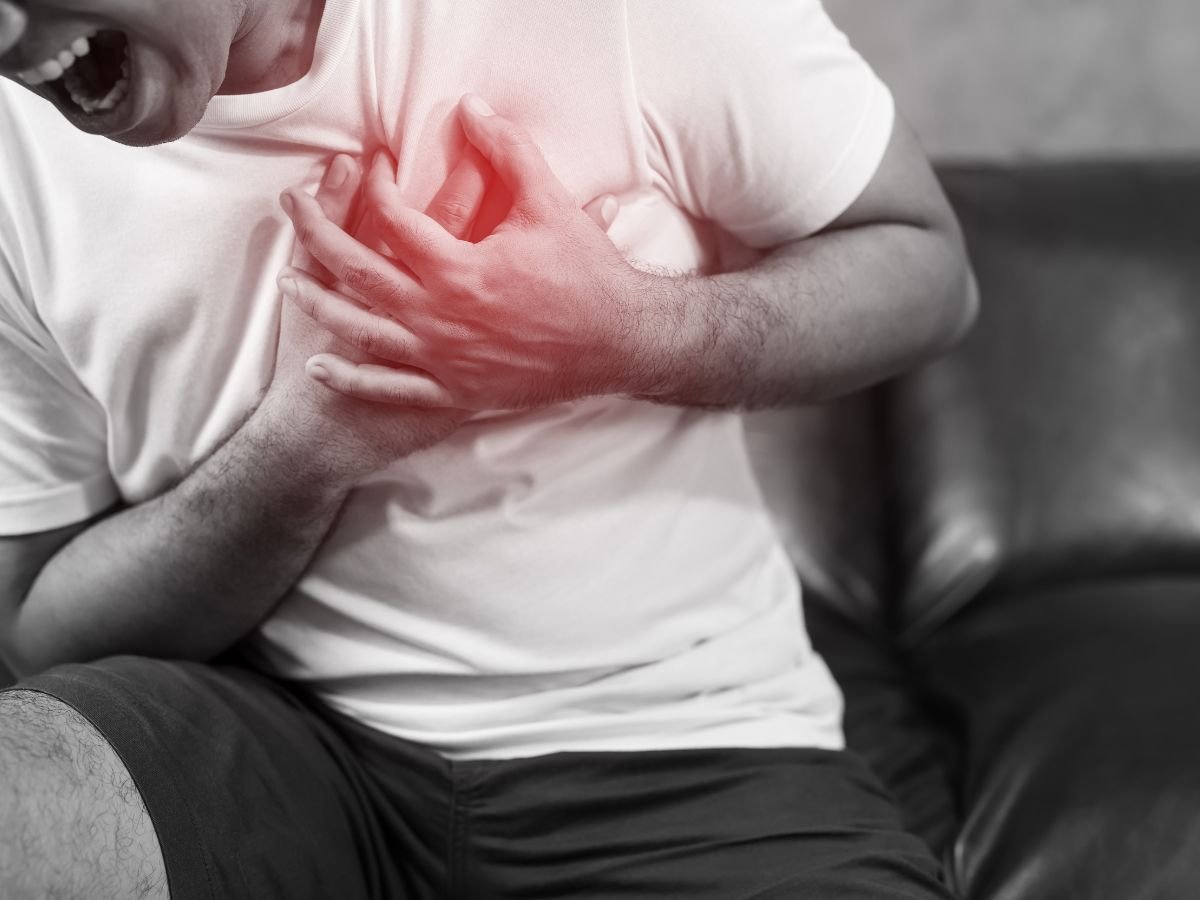
In a sad incident from Prayagraj district in Uttar Pradesh, a 50-year-old pharmacist named Pramod Yadav had a heart attack while driving his car. This has made people worried about heart health, even if someone seems healthy.

Yadav was driving on the Jhusi-Sonauti Road, not far from his home, when he suddenly felt unwell. Despite trying to stop the car, he couldn’t get help in time. People passing by found him unconscious in the driver’s seat and called the police around noon.

But by the time help arrived, it was too late. Yadav had already passed away. The police found his ID card in the car and used it to inform his family about what had happened.

This incident reminds us all how important it is to take care of our hearts and not ignore any signs of trouble, even if we feel healthy. It’s a reminder to pay attention to our health and seek help if we notice anything unusual.

Signs of Early Heart Attack

Chest Pain or Discomfort: This is the most common symptom of a heart attack. It might feel like pressure, squeezing, or fullness in your chest.

Shortness of Breath: If you’re having trouble catching your breath, it could be a sign that your heart isn’t getting enough oxygen.

Pain or Discomfort in Other Areas of the Upper Body: Heart attack pain can radiate to your arms, back, neck, jaw, or stomach. Don’t ignore any unusual pain in these areas.

Feeling Lightheaded or Dizzy: Your heart might not be pumping enough blood to your brain, causing you to feel faint or dizzy.

Nausea or Vomiting: Some people experience stomach troubles before or during a heart attack. If you’re feeling sick for no apparent reason, it’s worth getting checked out.

Cold Sweats: Breaking out in a cold sweat, especially if it’s accompanied by other symptoms, could signal a heart attack.

Risk Factors

High Blood Pressure: When the pressure in your blood vessels is too high, it can damage your heart over time. Keep an eye on your blood pressure and work with your doctor to keep it in check.

High Cholesterol: Cholesterol is like a sticky substance that can clog up your arteries. Eating healthy and staying active can help keep your cholesterol levels in the safe zone.

Smoking: Smoking is a big no-no for your heart. It can damage your blood vessels and make it harder for your heart to do its job. If you smoke, talk to your doctor about ways to quit.

Diabetes: People with diabetes are more likely to have heart problems. Keeping your blood sugar levels under control is super important for your heart health.

Obesity: Carrying around extra weight puts a strain on your heart. Eating a balanced diet and getting regular exercise can help you maintain a healthy weight.

Family History: If heart disease runs in your family, you might be at a higher risk. Keep an eye on your heart health and talk to your doctor about any concerns.


Share
Written by
Satata Karmakar

Satata Karmakar is a health journalist and Editor of HealthWireMedia.com, with over 12 years of experience in journalism, investigative reporting, newsroom editing and healthcare news. As Editor of HealthWire Media, Satata focuses on delivering accurate, evidence-based and accessible health journalism that helps readers make sense of complex medical and healthcare developments. She specialises in translating medical research, clinical findings, public-health updates and healthcare regulations into clear, engaging stories for healthcare professionals and the wider public. Her areas of coverage include public health, medical research, disease prevention, healthcare policy, health technology, medical education and regulatory developments. She places particular emphasis on verifying health claims through peer-reviewed research, official government notifications, expert interviews and credible institutional sources, including the National Medical Commission (NMC). She is committed to responsible health reporting that prioritises accuracy, context and transparency—especially when covering emerging research, medical breakthroughs, health risks and treatment-related information. Her editorial approach aims to make reliable health information understandable without oversimplifying science or overstating medical claims. Through her work, she seeks to strengthen public understanding of healthcare issues and contribute to informed conversations around health, medicine and policy. Outside the newsroom, Satata enjoys reading and painting, pursuits that continue to inspire her curiosity, creativity and storytelling.

Leave a comment

Leave a Reply

Your email address will not be published. Required fields are marked *

Don't Miss

Always Tired? It Could Be Anaemia!
Diet & NutritionHealth NewsHealth TipsLifestyleLifestyle & WellnessWellness

Anaemia in India: Why Iron Deficiency Remains a Concern and 7 Signs You Should Not Ignore

Feeling tired all the time, experiencing frequent dizziness or getting breathless after climbing a few stairs? While these symptoms are often dismissed as...

N95 Mask
Health TipsLatest NewsLifestyle & WellnessWellness

Does Wearing an N95 Mask Protect You From PM2.5 Pollution? Doctors Explain How To Choose And Wear It Correctly

As air pollution continues to affect several Indian cities during winter, wearing a mask has become an important precaution for people stepping outdoors....

Delhi Air Pollution
Lifestyle & Wellness

Can Air Pollution Cause Pneumonia? Doctors Explain How Poor AQI Affects Your Lungs This Winter

Winter brings a familiar set of respiratory health concerns, from persistent coughing and throat irritation to breathing difficulties and chest infections. However, as...

Diet & NutritionHealth TipsLatest NewsLifestyleLifestyle & WellnessWellness

Weight Loss Diet: 10 Drinks That May Help You Lose Weight

Losing weight is not just about eating healthy and exercising. What you drink during the day also matters. Some drinks can help you...

Heart Attack
Lifestyle & Wellness

Diabetes and Heart Disease: Why High Blood Sugar Can Increase Your Risk of a Heart Attack

Diabetes is often considered a condition that primarily affects blood sugar levels. However, its impact extends far beyond glucose regulation. Persistently high blood...

Section title

Related Articles
Latest NewsWHO

WHO Releases First-Ever Guidelines For Type 1 Diabetes In Adults: 5 Key Recommendations Explained

The World Health Organization (WHO) has issued its first-ever guidelines for the...

Health NewsLatest NewsLifestyle

7 Simple Ways to Protect Yourself from Air Pollution

Air pollution has become a major health concern today. Dust from construction...