

The World Health Organization (WHO) has issued its first-ever guidelines for the diagnosis and management of type 1 diabetes in adults, marking an important development in global diabetes care. Released around World Diabetes Day on November 14, 2026, the recommendations aim to improve access to essential diabetes treatment, particularly in countries and communities where healthcare resources are limited.
The new guidelines focus on insulin treatment, blood glucose monitoring and continuity of care, including during emergencies and humanitarian crises. They also address a major challenge faced by people living with type 1 diabetes worldwide: access to affordable, high-quality insulin.
Diabetes is a chronic disease, which occurs when the pancreas does not produce enough insulin, or when the body cannot effectively use the insulin it produces. This leads to an increased concentration of glucose in the blood (hyperglycaemia).
According to WHO, approximately 9.5 million people were living with type 1 diabetes globally in 2025, with another 500,000 people diagnosed during the year. Although the condition is commonly associated with childhood, it can develop at any age and increasingly affects adults.
The new recommendations are particularly significant because type 1 diabetes requires lifelong insulin treatment. Without adequate insulin, people with this condition can develop serious and potentially life-threatening complications.
But what do the new WHO guidelines recommend? How often should adults with type 1 diabetes take insulin, and why is regular blood sugar monitoring important? Here is everything you need to know.
What Is Type 1 Diabetes And Why Does It Affect Adults?
Type 1 diabetes is a chronic autoimmune condition in which the body’s immune system mistakenly attacks the insulin-producing beta cells in the pancreas. As a result, the pancreas produces little or no insulin.
Insulin is a hormone that helps glucose (blood sugar) enter the body’s cells, where it is used for energy. When the body cannot produce sufficient insulin, glucose builds up in the bloodstream, leading to high blood sugar levels.
Unlike type 2 diabetes, which is often associated with insulin resistance and metabolic factors, type 1 diabetes primarily occurs because of the loss of insulin-producing cells.
Although it is frequently diagnosed during childhood or adolescence, type 1 diabetes can develop in adulthood as well. Some adults may experience a gradual onset of symptoms, which can sometimes delay diagnosis.
Common symptoms include:
- Excessive thirst and frequent urination.
- Unexplained weight loss.
- Increased hunger.
- Persistent fatigue and weakness.
- Blurred vision.
- Slow healing of wounds.
If left untreated, type 1 diabetes can lead to diabetic ketoacidosis (DKA), a potentially life-threatening complication caused by severe insulin deficiency.
READ ALSO: Diabetes and Heart Disease: Why High Blood Sugar Can Increase Your Risk of a Heart Attack
WHO’s First Type 1 Diabetes Guidelines For Adults: 5 Key Recommendations
The WHO guidelines provide evidence-based recommendations for insulin use and diabetes management across different healthcare settings. They are intended to support healthcare professionals, policymakers and health programmes in improving access to treatment.
Here are five important takeaways.
1. Multiple Daily Insulin Injections Are Recommended
One of the key recommendations is intensified insulin therapy through multiple daily injections, with doses adjusted according to blood glucose levels.
Since people with type 1 diabetes cannot produce enough insulin naturally, they require insulin replacement to regulate their blood sugar and maintain normal body functions.
The recommended approach involves adjusting insulin doses based on glucose readings and individual treatment requirements.
Insulin may be administered through injections or other appropriate delivery methods depending on the patient’s needs and available healthcare resources.
Why it matters: Consistent insulin treatment helps prevent dangerously high blood sugar levels and reduces the risk of complications associated with insulin deficiency.
2. Human Insulin Remains An Effective Treatment Option
The WHO guidelines recognise human insulin as an appropriate and effective treatment option for adults with type 1 diabetes.
Human insulin is manufactured to function similarly to the insulin naturally produced by the human pancreas. It can help regulate blood glucose levels when used according to an appropriate treatment plan.
The guidelines also allow for the use of insulin analogues when needed. Human insulin is preferred in the recommendations because it is generally more affordable.
This is particularly relevant for low- and middle-income countries, where the cost of insulin can become a major barrier to consistent treatment.
Why it matters: Recognising human insulin as an effective option can help expand access to lifesaving treatment, particularly in healthcare systems with limited resources.
3. Regular Blood Sugar Monitoring Is Essential
The guidelines emphasise the importance of regularly monitoring blood glucose levels to assess how effectively diabetes is being managed.
People with type 1 diabetes can monitor their blood sugar at home through:
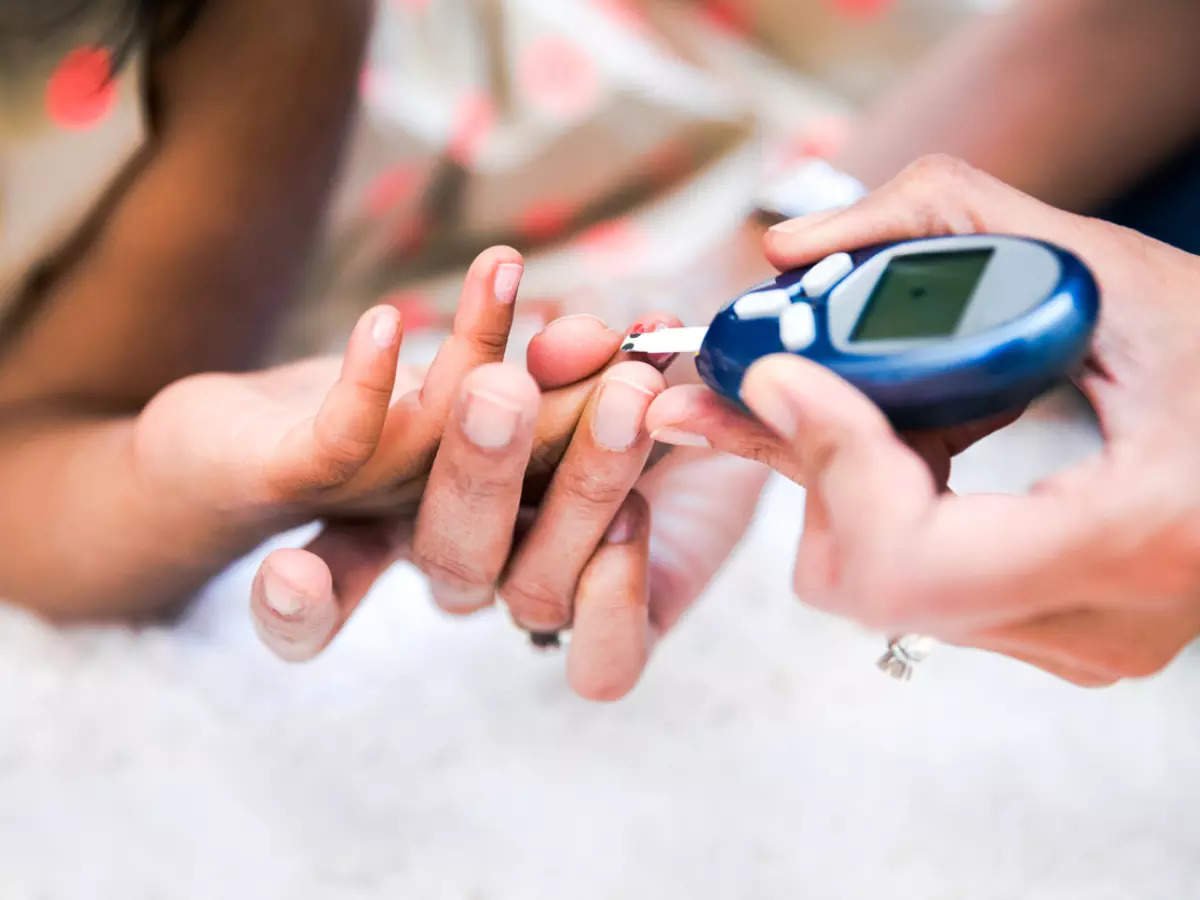
- Finger-prick blood glucose testing: A small drop of blood is tested using a glucose meter.
- Continuous glucose monitoring (CGM): A small sensor worn on the skin measures glucose levels throughout the day and night.
Healthcare professionals can also use HbA1c testing to assess average blood glucose levels over approximately the previous two to three months.
Where blood glucose testing is not available, WHO says urine glucose testing can be considered as an alternative, although it does not provide the same level of information as blood glucose monitoring.
Why it matters: Regular monitoring helps patients and healthcare professionals make informed decisions about insulin doses and identify poor blood sugar control. World Health Organization+1
4. Insulin Delivery Should Be Adapted To Individual Needs
The WHO recommendations cover different insulin delivery methods and recognise that treatment needs may vary depending on the patient’s health, available resources and healthcare setting.
Insulin can be administered using syringes, insulin pens or insulin pumps, depending on availability and clinical suitability.
While insulin pens may offer convenience, syringes and vials can provide a more affordable alternative in settings where access to modern diabetes technologies is limited.
The choice of insulin and delivery method should be made in consultation with a healthcare professional.
Why it matters: Making different insulin delivery options accessible can help patients maintain treatment even when cost, infrastructure or healthcare availability becomes a challenge.
5. Diabetes Care Must Continue During Emergencies And Humanitarian Crises
An important aspect of the new WHO guidelines is their focus on people living with type 1 diabetes in low-resource, emergency and humanitarian settings.
Disasters, conflicts, displacement and disruptions in healthcare services can interrupt access to insulin, glucose-monitoring devices and regular medical consultations. For someone with type 1 diabetes, even a temporary interruption in insulin treatment can become life-threatening.
WHO’s recommendations therefore emphasise safe and feasible insulin use, continuity of treatment and access to essential diabetes care across different healthcare environments.
Why it matters: People with type 1 diabetes need uninterrupted access to insulin, regardless of where they live or the circumstances in which they receive healthcare. World Health Organization+1
Why Are WHO’s New Diabetes Guidelines Important For India?
The recommendations carry particular significance for India, where access to affordable diabetes treatment and regular blood glucose monitoring remains an important public health concern.
According to estimates reported in November 2026, approximately 9.87 lakh people in India were living with type 1 diabetes in 2025, with around 73,567 new diagnoses during the year. The New Indian Express+1
For many patients, the cost of lifelong insulin treatment, glucose-monitoring supplies and regular medical consultations can create financial and practical challenges.
The WHO guidelines provide an important framework for improving access to essential treatment, particularly through the recognition of human insulin as an effective and generally more affordable option.
They also reinforce the need for healthcare systems to ensure that people with type 1 diabetes can access insulin and blood glucose self-monitoring.
What Happens If Type 1 Diabetes Is Not Managed Properly?
Insulin is essential for people with type 1 diabetes. When the body does not receive enough insulin, blood glucose levels can rise dangerously, increasing the risk of both immediate and long-term complications.
Some potential complications include:
- Diabetic ketoacidosis (DKA): A serious complication in which the body produces high levels of blood acids called ketones due to insufficient insulin.
- Diabetic retinopathy: Damage to the blood vessels in the retina that can affect vision and potentially cause blindness.
- Diabetic kidney disease: Prolonged high blood glucose can damage the kidneys and impair their ability to filter waste.
- Nerve damage: Diabetes can affect nerves, particularly in the feet and legs, causing numbness, tingling or pain.
- Cardiovascular complications: Poorly controlled diabetes can increase the risk of heart disease and stroke.
People with type 1 diabetes should follow their prescribed insulin regimen, monitor blood glucose regularly and attend recommended medical check-ups to reduce the risk of these complications. World Health Organization+1
Can Type 1 Diabetes Be Prevented?
Currently, there is no established way to prevent type 1 diabetes. It is an autoimmune condition in which the immune system destroys insulin-producing cells in the pancreas.
Unlike type 2 diabetes, type 1 diabetes is not primarily caused by poor dietary habits, obesity or a sedentary lifestyle.
However, early diagnosis, appropriate insulin treatment and regular monitoring can help people manage the condition and reduce the risk of complications.
It is also important to remember that type 1 diabetes is not contagious and cannot be cured through dietary changes or exercise alone.














Leave a comment