

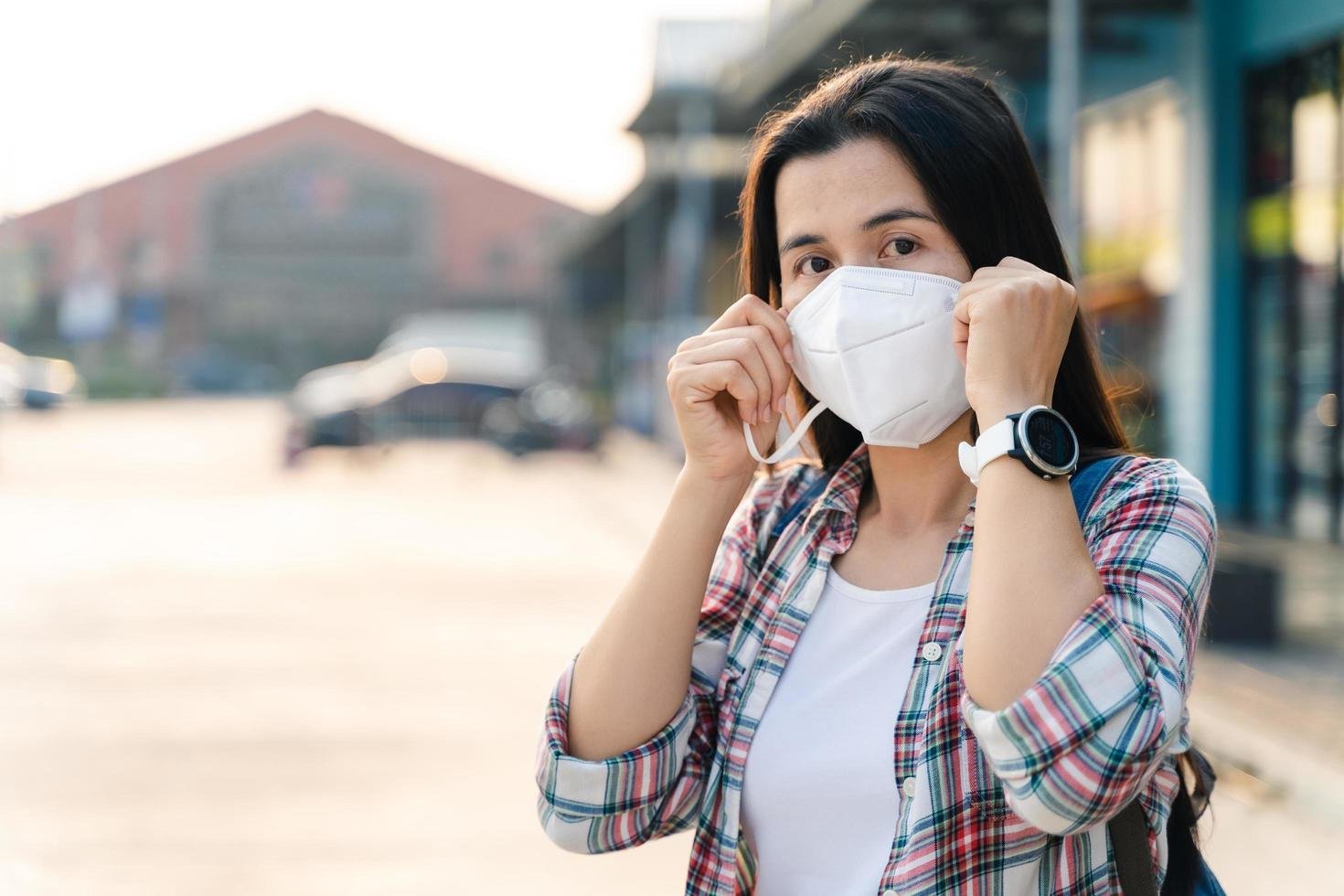
As air pollution continues to affect several Indian cities during winter, wearing a mask has become an important precaution for people stepping outdoors. With rising concentrations of fine particulate matter (PM2.5), many people are turning to N95 masks in the hope of protecting their lungs from harmful pollutants. But does wearing an N95 mask actually protect you from PM2.5 pollution? And is it enough to keep your respiratory system safe when the Air Quality Index (AQI) reaches dangerous levels?
The short answer is yes. A properly certified and well-fitted N95 respirator can filter at least 95% of airborne particles under standard testing conditions, including fine particulate matter such as PM2.5. However, its effectiveness depends on how well it fits your face, whether it is genuine and whether you wear it correctly.
It is also important to understand that N95 masks do not filter all harmful gases present in polluted air. So, while they can reduce your exposure to particulate pollution, they cannot offer complete protection against every component of toxic air.
Here is what you need to know about N95 masks, PM2.5 pollution and protecting your lungs this winter.
Does Wearing an N95 Mask Protect You From PM2.5 Pollution?
Yes, an N95 respirator can significantly reduce your exposure to PM2.5 particles when worn correctly.
PM2.5 refers to fine particulate matter with a diameter of 2.5 micrometres or smaller. These microscopic particles are particularly dangerous because they can travel deep into the respiratory tract and reach the lungs. Long-term exposure has been associated with respiratory diseases, cardiovascular problems and other serious health complications.
According to the US National Institute for Occupational Safety and Health (NIOSH), N95 respirators are designed to filter at least 95% of airborne particles under specified laboratory testing conditions.
This makes them considerably more effective against fine particulate matter than ordinary cloth masks, handkerchiefs or loosely fitted face coverings.
India’s National Centre for Disease Control (NCDC), in its air pollution guidance, also identifies N95 and N99 masks as protective equipment that can reduce exposure to PM2.5 and PM10 particles.
However, filtration efficiency and real-world protection are not the same. Even a high-quality N95 mask may offer limited protection if polluted air enters through gaps around the nose, cheeks or chin.
How Does PM2.5 Pollution Affect Your Lungs?
PM2.5 is among the most concerning components of air pollution because its particles are small enough to penetrate deep into the respiratory system.
Unlike larger dust particles, which may get trapped in the nose and upper airways, fine particulate matter can reach the lower respiratory tract.
Prolonged exposure to PM2.5 may lead to:
- Airway inflammation: Fine particles can irritate the respiratory tract and trigger inflammation.
- Persistent coughing: Exposure may cause throat irritation, coughing and increased mucus production.
- Worsening asthma: People with asthma may experience increased symptoms and breathing difficulties.
- Reduced lung function: Long-term exposure can contribute to impaired respiratory health.
- Increased cardiovascular risks: Fine particulate matter can also affect cardiovascular health, increasing the risk of heart-related complications.
This is why reducing exposure to PM2.5 becomes particularly important when pollution levels remain high for extended periods.
How Does an N95 Mask Filter PM2.5 Particles?
An N95 respirator uses specialised filtration material designed to capture airborne particles as you breathe.
Unlike ordinary face masks, which may leave gaps around the face, an N95 is designed to create a close seal around the nose and mouth.
Its filtration mechanism works through multiple processes, including:
- Mechanical filtration: Fibres in the mask capture particles as air passes through them.
- Electrostatic attraction: Electrically charged filter fibres attract and trap fine airborne particles.
- Close facial sealing: A properly fitted respirator prevents contaminated air from entering through gaps around the edges.
Together, these mechanisms help reduce the amount of particulate pollution entering your respiratory system.
However, remember that an N95 mask is designed to filter particles, not every type of air pollutant.
Does An N95 Mask Protect Against All Air Pollutants?
No. This is one of the most important limitations of N95 masks.
Although N95 respirators can filter particulate matter such as PM2.5, PM10, dust and smoke particles, they are not designed to remove harmful gases and vapours.
Some common gaseous pollutants that an ordinary N95 respirator does not filter include:
- Nitrogen dioxide (NO2)
- Sulphur dioxide (SO2)
- Carbon monoxide (CO)
- Ozone (O3)
These pollutants can enter the respiratory system even when you are wearing an N95 mask.
Therefore, wearing an N95 should not give you a false sense of security or encourage you to spend extended periods outdoors when air quality is hazardous.
N95 Vs N99 Vs KN95: Which Mask Is Better For Air Pollution?
With several types of protective masks available in the market, choosing the right one can be confusing.
Here is how some commonly available respirators compare:
| Mask type | Filtration rating | What you should know |
|---|---|---|
| N95 | At least 95% | US NIOSH standard; filters airborne particles |
| N99 | At least 99% | Higher filtration rating under standard testing conditions |
| KN95 | At least 95% | Chinese respiratory protection standard |
| FFP2 | At least 94% | European respiratory protection standard |
| Surgical mask | No equivalent N95 rating | Does not provide the same close-fitting particulate protection |
| Cloth mask | Varies considerably | Not reliable for PM2.5 protection |
An N99 respirator has a higher filtration rating than an N95, but that does not automatically make it the better choice for everyone. Facial fit, product certification, comfort and consistent use also matter.
For most people seeking protection against particulate pollution, a genuine, well-fitted N95 is a practical option.
How To Wear An N95 Mask Correctly For Maximum Protection
Even the most effective respirator may fail to protect you adequately if it is worn incorrectly.
Follow these steps to ensure a proper fit:
1. Wash your hands before wearing it
Clean your hands before handling the respirator to avoid transferring dirt or contaminants to its inner surface.
2. Cover both your nose and mouth
Position the respirator over your nose, mouth and chin. Never leave your nose exposed.
3. Adjust the nose clip
Press the metal nose clip gently to mould it around the bridge of your nose and minimise gaps.
4. Secure the straps properly
Follow the manufacturer’s instructions to position the straps. Ensure that the respirator sits firmly against your face without becoming excessively uncomfortable.
5. Check for air leakage
After wearing the mask, check whether air is escaping around the edges when you breathe. Adjust the fit if necessary.
6. Avoid touching the mask repeatedly
Do not repeatedly pull it down, adjust its front surface or wear it loosely around your neck while outdoors.
The US Centers for Disease Control and Prevention (CDC) emphasises that an N95 respirator must form a proper seal against the face to work effectively.
How Often Should You Replace Your N95 Mask?
An N95 respirator should be replaced when it becomes dirty, wet, damaged, difficult to breathe through or unable to maintain a proper seal.
Its lifespan depends on the manufacturer’s instructions, the level of exposure and how frequently it is used.
India’s NCDC guidance for community health workers recommends discarding disposable N95 masks after one day of heavy use or when they become dirty or wet.
Avoid washing or attempting to disinfect a disposable N95 respirator, as this can damage its filtration material and compromise its effectiveness.
Always follow the manufacturer’s replacement and storage instructions.
Who Should Be Careful While Wearing An N95 Mask?
Although N95 respirators are generally suitable for healthy adults when used correctly, some individuals may experience discomfort while wearing them.
People with the following conditions should consult their doctor if they experience breathing discomfort:
- Asthma or chronic obstructive pulmonary disease (COPD).
- Existing heart conditions.
- Severe respiratory problems.
- Conditions that already cause breathlessness.
Older adults and pregnant women who experience discomfort while wearing a respirator should also seek medical advice.
The CDC advises people with heart or lung problems to consult their healthcare provider before using an N95 respirator.
Children require particular attention because a respirator must fit properly to offer protection. An adult-sized N95 may not seal adequately on a child’s face. Do not force a child to wear an ill-fitting respirator.
What Else Can You Do To Protect Your Lungs During High AQI?
Wearing an N95 mask is only one part of reducing your exposure to air pollution. Doctors and public health experts recommend combining personal protective measures with efforts to limit time spent in polluted environments.
Here are some precautions to follow:
- Check AQI regularly: Monitor local air quality before planning outdoor activities.
- Avoid outdoor exercise during severe pollution: Shift jogging, cycling and other strenuous activities indoors when air quality deteriorates.
- Use an air purifier: Consider a properly sized HEPA air purifier for frequently occupied indoor spaces.
- Keep windows closed during peak pollution: Reduce the entry of outdoor pollutants when air quality is particularly poor.
- Avoid indoor smoke: Do not smoke or burn wood, coal, mosquito coils or other materials in poorly ventilated spaces.
- Stay hydrated: Drink adequate water and maintain a balanced diet to support overall health.
- Follow medical advice: People with existing heart or lung conditions should follow their doctor’s recommendations during periods of high pollution.
Remember, no mask can completely eliminate the health risks associated with prolonged exposure to polluted air. Reducing exposure at the source remains the most effective long-term solution.
Frequently Asked Questions (FAQs)
1. Does an N95 mask protect against PM2.5?
Yes. A genuine, properly fitted N95 respirator can filter at least 95% of airborne particles under standard testing conditions, including fine particulate matter such as PM2.5.
2. Is an N95 mask better than a surgical mask for air pollution?
Yes. N95 respirators provide better protection against fine particulate matter because they use specialised filtration material and are designed to create a close seal around the face. Surgical masks generally do not provide equivalent protection against PM2.5.
3. Can an N95 mask protect against Delhi air pollution?
An N95 mask can reduce exposure to particulate pollutants such as PM2.5 and PM10 when worn correctly. However, it does not filter harmful gases such as nitrogen dioxide, sulphur dioxide and carbon monoxide. It should be combined with other measures to reduce pollution exposure.
4. Can I wear an N95 mask every day?
You can wear an N95 when necessary to reduce exposure to airborne particles, provided it fits properly and is used according to the manufacturer’s instructions. Replace it when it becomes damaged, wet, dirty or difficult to breathe through.
5. Does an N95 mask protect against harmful gases?
No. Standard N95 respirators filter airborne particles but do not remove gases or vapours. Specialised respiratory protection is required for certain gaseous pollutants.
6. Can children wear N95 masks?
An N95 must fit properly to provide protection. Adult-sized respirators may not fit children adequately. Parents should follow age-appropriate public health guidance and consult a healthcare professional when necessary.
Remember: A properly certified and well-fitted N95 respirator can be an effective way to reduce your exposure to PM2.5 pollution when stepping outdoors. However, it cannot filter all harmful gases or eliminate the health risks of poor air quality. During periods of high AQI, combine appropriate mask use with reduced outdoor exposure and measures to improve indoor air quality.
Disclaimer: This article is for informational purposes only and does not replace professional medical advice. People with underlying respiratory or cardiovascular conditions should consult their healthcare provider about appropriate respiratory protection.














Leave a comment