Home Latest News No Tobacco Day: How To Quit Smoking Without Taking Any Medicines?
Latest News

No Tobacco Day: How To Quit Smoking Without Taking Any Medicines?

Share
Share

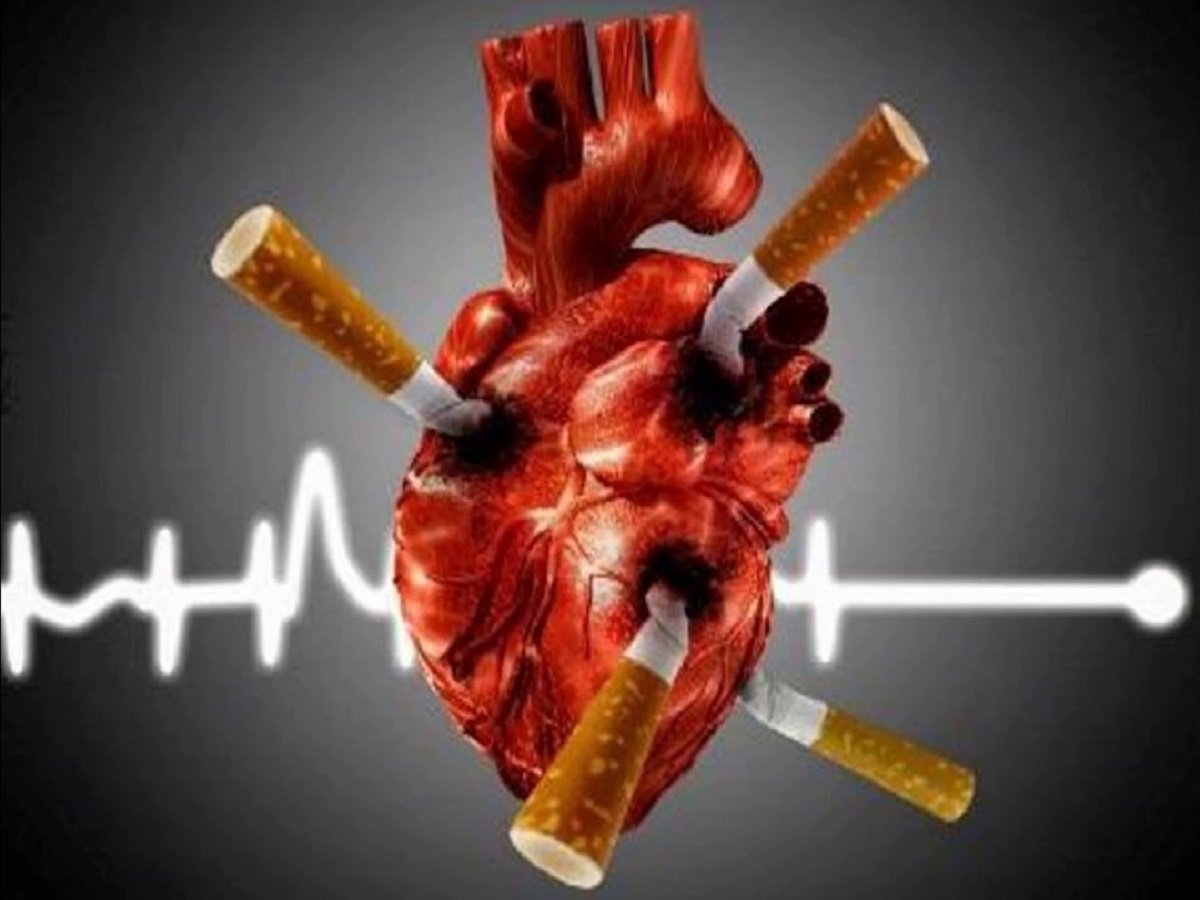
Every year, World No Tobacco Day is marked on May 31st with an aim to raise awareness about the harmful impacts of tobacco on our health, and to promote effective tobacco reduction policies. Kicking the habit of smoking is no easy feat, but the road, though hard, is worthwhile and leads to a healthier, satisfying life. Rather than relying on medicines, there are numerous natural and effective approaches to ditch this habit.

Why Should You Quit Smoking?

Quitting smoking is pivotal to well-being and general health. Smoking is tied to numerous preventable diseases, such as heart diseases, lung cancer, and respiratory problems. If you quit smoking, you’ll minimize your risk of suffering from these life-threatening diseases and increase your life expectancy. On top of this, quitting smoking brings immediate benefits, such as improved lung functionality, sharper taste and smell senses, and boosted energy levels.

Make A Plan To Quit Smoking

If you want to be smoke-free, the first and foremost step is setting your quitting date. Find a date that holds meaning for you, mark it on your calendar as a sign of dedication to yourself. A detailed plan will maintain your focus and motivation while you quit. Identify the things that trigger your need to smoke and come up with strategies to deal with these cravings – it could be exercising, deep breathing exercises, or leaning on your loved ones for support.

Get Help From Experts

Leaving the smoking habit can be tough, and you’ll need a robust support network to come through. Reach out to friends, family, or forward groups that can offer solidarity, motivation, and understanding during this difficult time. You may even consider enrolling in a program aimed at quitting smoking or seeking counselling to tackle any mental factors associated with your smoking habit.

Follow a Healthy Lifestyle

Adopting healthier lifestyle changes can propel you in your journey to stop smoking and enhance your overall well-being. Eat a balanced diet filled with fruits, vegetables, whole grains, and lean proteins, which will nourish your body and battle nicotine cravings. Also, ensure you’re adequately hydrated and engage in regular exercise to reduce stress and elevate your mood.

Try Alternative Therapies

Several alternative therapies can help in your journey of quitting smoking and offer relaxation and stress-relief. Techniques such as acupuncture, acupressure and hypnotherapy are non-invasive alternatives that have yielded good results and helped people quit smoking. These target specific pressure points or involve inducing a state of deep relaxation to handle cravings, advocating a smoke-free lifestyle.

Introduce Mindfulness & Meditation

Practicing mindfulness and meditation enhances your self-awareness and emotional control. This can assist you in managing cravings and triggers. Mindfulness techniques such as deep breathing, scanning your body, and mindful eating can anchor you in the present moment and curb the desire to smoke. Meanwhile, meditation practices lower stress and develop inner tranquility, enabling you to overcome hurdles associated with quitting smoking.

Share
Written by
Satata Karmakar

Satata Karmakar is a health journalist and Editor of HealthWireMedia.com, with over 12 years of experience in journalism, investigative reporting, newsroom editing and healthcare news. As Editor of HealthWire Media, Satata focuses on delivering accurate, evidence-based and accessible health journalism that helps readers make sense of complex medical and healthcare developments. She specialises in translating medical research, clinical findings, public-health updates and healthcare regulations into clear, engaging stories for healthcare professionals and the wider public. Her areas of coverage include public health, medical research, disease prevention, healthcare policy, health technology, medical education and regulatory developments. She places particular emphasis on verifying health claims through peer-reviewed research, official government notifications, expert interviews and credible institutional sources, including the National Medical Commission (NMC). She is committed to responsible health reporting that prioritises accuracy, context and transparency—especially when covering emerging research, medical breakthroughs, health risks and treatment-related information. Her editorial approach aims to make reliable health information understandable without oversimplifying science or overstating medical claims. Through her work, she seeks to strengthen public understanding of healthcare issues and contribute to informed conversations around health, medicine and policy. Outside the newsroom, Satata enjoys reading and painting, pursuits that continue to inspire her curiosity, creativity and storytelling.

Leave a comment

Leave a Reply

Your email address will not be published. Required fields are marked *

Don't Miss

Virus & Disease

No Approved Vaccine Yet: What Makes The Bundibugyo Ebola Strain So Dangerous?

The ongoing Bundibugyo Ebola outbreak has raised concerns among global health authorities, particularly because there is currently no licensed vaccine specifically approved to...

Bundibugyo Ebola virus
International NewsVirus & DiseaseWHO

From Fever To Organ Failure: How The Bundibugyo Ebola Virus Affects The Body

The Bundibugyo Ebola virus outbreak has raised fresh global health concerns as infections continue to spread across parts of Central and East Africa....

WHO
Health TipsInternational NewsLatest NewsLifestyle & WellnessWHO

WHO Issues First Type 1 Diabetes Guidelines for Adults: 7 Things Patients Need to Know

More than 100 years after the discovery of insulin, millions of people living with type 1 diabetes continue to face challenges in accessing...

Breast Cancer
Health NewsOncology

Mammogram vs Ultrasound vs MRI: Which Breast Cancer Screening Test Is Right for You?

Breast cancer is one of the most common cancers affecting women worldwide, and early detection plays an important role in improving treatment outcomes....

Always Tired? It Could Be Anaemia!
Diet & NutritionHealth NewsHealth TipsLifestyleLifestyle & WellnessWellness

Anaemia in India: Why Iron Deficiency Remains a Concern and 7 Signs You Should Not Ignore

Feeling tired all the time, experiencing frequent dizziness or getting breathless after climbing a few stairs? While these symptoms are often dismissed as...

Section title

Related Articles
Latest NewsWHO

WHO Releases First-Ever Guidelines For Type 1 Diabetes In Adults: 5 Key Recommendations Explained

The World Health Organization (WHO) has issued its first-ever guidelines for the...

Health NewsLatest NewsLifestyle

7 Simple Ways to Protect Yourself from Air Pollution

Air pollution has become a major health concern today. Dust from construction...