

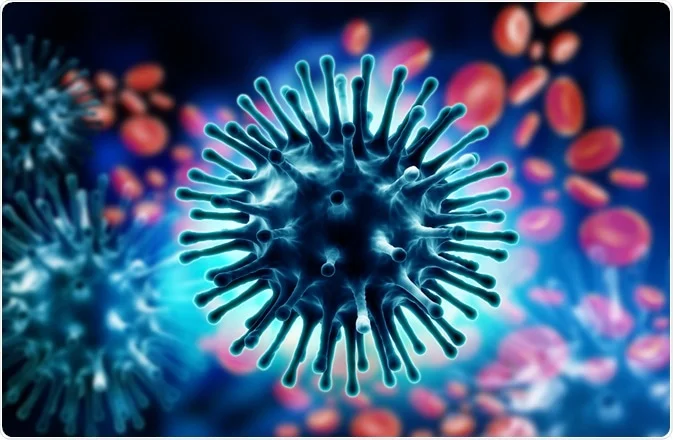
A new COVID-19 variant, PJ.2.1, is drawing attention after being detected in several countries, raising questions about its symptoms, spread and potential health risks. First identified in Ontario, Canada, in May 2026, the variant has since been reported in the United States and several other countries, including Australia, Singapore, France and Spain.
Researchers are studying PJ.2.1 because it carries several changes in its spike protein, the part of the virus that helps it enter human cells. Early laboratory findings suggest that the variant may interact more efficiently with the ACE2 receptor, which the virus uses to enter cells. However, this does not automatically mean that it causes more severe illness or spreads faster in real-world conditions.
With the virus continuing to evolve, it is important to understand what is known about this new variant, whether it poses a greater health risk and what precautions people should take.
What is the PJ.2.1 COVID-19 variant?
PJ.2.1 is a newly identified lineage of SARS-CoV-2, the virus responsible for COVID-19. Researchers have traced its origin to MC.10.1.7, a descendant of the JN.1 lineage. It was first detected in Ontario, Canada, on May 2, 2026.
The variant is being studied as a saltation variant, a term used to describe a virus that appears to have accumulated several genetic changes over a relatively short evolutionary period.
One of the key areas of interest is its spike protein, which plays an important role in how the virus attaches to and enters human cells. Researchers are examining whether these changes give PJ.2.1 an advantage over other circulating variants.
What are the symptoms of the PJ.2.1 variant?
There is currently no confirmed set of symptoms that can distinguish PJ.2.1 from other COVID-19 variants. Its symptoms may overlap with those of other respiratory infections, making it difficult to identify the variant based on symptoms alone.
Common COVID-19 symptoms to watch for include:
- Fever or chills
- Sore throat
- Runny or blocked nose
- Persistent cough
- Headache
- Muscle or body aches
- Unusual tiredness or fatigue
- Loss or change in taste or smell
- Difficulty breathing in more serious cases
Some reports have highlighted severe sore throat and prolonged fatigue, but these have not been established as specific symptoms of PJ.2.1.
If you develop respiratory symptoms, consider testing based on your symptoms and medical advice, particularly if you are at higher risk of complications.
Is the new PJ.2.1 variant more contagious or dangerous?
The spread of PJ.2.1 has attracted scientific attention, particularly after its increasing detection in parts of North America. Researchers are investigating whether its genetic changes help it enter human cells more efficiently.
An October 2026 laboratory study found that PJ.2.1 showed increased interaction with the ACE2 receptor. However, laboratory experiments cannot establish how easily a virus spreads between people or how severe the resulting illness will be.
Early findings also suggest that antibodies produced after vaccination may still offer some protection against the variant, although the immune response may be somewhat reduced compared with vaccine-matched strains.
At present, there is no established evidence that PJ.2.1 causes more severe disease, higher hospitalisation rates or more deaths than other circulating variants. Further research and clinical studies are needed to understand its actual impact.
Has the PJ.2.1 variant been detected in India?
PJ.2.1 has been reported in several countries since its first identification in Canada. Its detection in different regions has increased interest in how widely it could spread.
However, there is currently insufficient publicly available evidence to establish widespread transmission of PJ.2.1 in India. It is important to distinguish between the possibility of international spread and confirmed detection within the country.
India’s genomic surveillance network monitors changes in circulating SARS-CoV-2 lineages through genetic sequencing. Such surveillance helps health authorities identify emerging variants and understand whether they are becoming more prevalent.
For now, people in India do not need to panic, but continued surveillance and timely reporting of new infections remain important.
How can you protect yourself from the new COVID-19 variant?
Although there is no need for unnecessary alarm, basic precautions can help reduce the risk of COVID-19 and other respiratory infections.
Here are some measures to follow:
- Maintain hand hygiene: Wash your hands regularly with soap and water or use an alcohol-based sanitiser.
- Wear a mask in crowded places: A well-fitting mask can help reduce exposure in crowded or poorly ventilated indoor spaces.
- Improve ventilation: Keep indoor spaces well ventilated, particularly when several people are sharing the same room.
- Avoid close contact when unwell: If you develop respiratory symptoms, limit contact with others, especially older adults and people with weakened immunity.
- Get tested when needed: If you develop symptoms, consider a COVID-19 test, particularly if the result could influence treatment or precautions.
- Stay updated on vaccination: COVID-19 vaccines remain important in reducing the risk of severe illness and hospitalisation. People at higher risk should consult their doctors about recommended doses and boosters.
Older adults, people with diabetes, those with existing heart or lung conditions and individuals with weakened immune systems should be particularly careful because respiratory infections can lead to serious complications in these groups.
The emergence of PJ.2.1 is another reminder that COVID-19 continues to evolve, even years after the pandemic. While researchers are closely studying its genetic changes and spread, there is currently no conclusive evidence that this variant causes more severe illness than earlier strains.











Leave a comment