

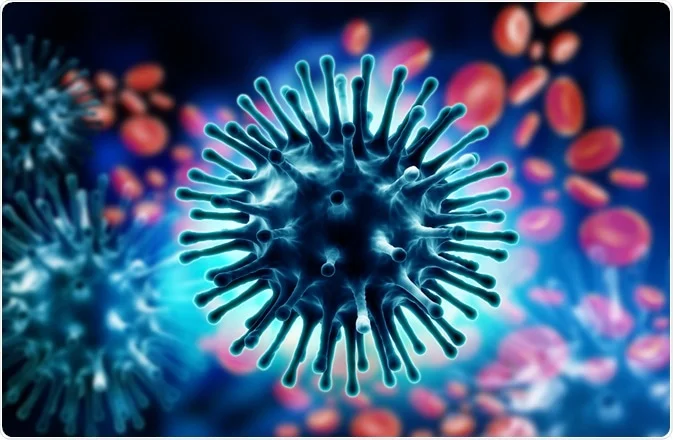
A new COVID-19 variant, PJ.2.1, is drawing attention after being detected in eight countries, including Canada, the United States, Spain, France, Israel, Singapore, Australia and New Zealand. First identified in Canada in May 2026, this emerging SARS-CoV-2 lineage is being investigated by scientists because of several changes in its spike protein, which helps the virus enter human cells.
The spread has raised questions about whether PJ.2.1 could trigger another wave of COVID-19 infections and whether India could be affected. Early laboratory research suggests that the variant may bind more efficiently to human cells. However, there is currently insufficient clinical evidence to establish that it causes more severe illness, increases hospitalisations or significantly escapes vaccine-induced immunity.
For India, the important question is whether the variant has been detected through genomic surveillance. As of November 11, 2026, the available public reporting does not establish a confirmed detection of PJ.2.1 in the country.
What Is the New COVID-19 Variant PJ.2.1?
PJ.2.1 is a lineage of SARS-CoV-2, the virus responsible for COVID-19. Researchers have traced it to MC.10.1.7, a descendant of the JN.1 lineage.
The first documented sample of PJ.2.1 was collected in Ontario, Canada, on May 2, 2026. It was subsequently detected in other parts of Canada and the United States before being reported in several countries across Europe, Asia and the Pacific.
Researchers describe PJ.2.1 as a saltation variant. This term refers to a lineage that emerges with a relatively large number of genetic changes over a short evolutionary period, rather than accumulating mutations gradually.
The variant has attracted scientific interest because of changes in its spike protein. Since the spike protein plays a key role in allowing SARS-CoV-2 to enter human cells, these mutations are being studied to understand whether they influence how the virus spreads or interacts with the immune system.
ALSO READ: New Covid-19 Strain PJ.2.1 May Mimic Cold or Flu Symptoms: WHO Warns
In Which Countries Has PJ.2.1 Been Detected?
Following its first documented detection in Canada, PJ.2.1 has been reported in seven other countries:
- Canada
- United States
- Spain
- France
- Israel
- Singapore
- Australia
- New Zealand
The variant has also shown signs of increasing circulation in Ontario, Canada. According to Public Health Ontario’s genomic surveillance report, PJ.2.1 accounted for 25.2% of sequenced SARS-CoV-2 samples between September 20 and October 17, 2026. This was an increase from 16.9% during the preceding four-week period.
An increase in its share of sequenced samples suggests that the lineage is gaining ground in that region. However, this figure should not be interpreted as the percentage of all COVID-19 infections in the population.
Why Are Scientists Concerned About the PJ.2.1 Variant?
One of the main reasons PJ.2.1 is attracting attention is its interaction with ACE2, a receptor found on the surface of human cells.
SARS-CoV-2 uses its spike protein to attach to ACE2 receptors and enter cells. Changes in the spike protein can influence how effectively the virus interacts with this receptor.
A study published in the Journal of Infection in October 2026 examined the biological characteristics of PJ.2.1. Laboratory findings suggested that the variant may bind more efficiently to ACE2 than some of the other variants examined.
This could potentially contribute to its growth in certain populations. However, laboratory findings do not automatically mean that a variant spreads more easily between people. Real-world transmission also depends on factors such as existing immunity, population behaviour and environmental conditions.
Researchers also investigated whether PJ.2.1 could evade antibodies produced after vaccination. The findings did not show substantially greater immune escape compared with most of the other variants tested.
These results are preliminary and require continued monitoring.
READ ALSO: New COVID Variant 2026: BA.3.2 Explained – Symptoms, Spread, Risks, and What You Must Do Now
What Are the Symptoms of the PJ.2.1 COVID-19 Variant?
There is currently no confirmed symptom pattern that distinguishes PJ.2.1 from other circulating COVID-19 variants.
People infected with SARS-CoV-2 may experience symptoms that resemble those of the common cold, seasonal influenza or other respiratory infections.
Possible symptoms include:
- Fever or chills
- Sore throat
- Persistent cough
- Runny or blocked nose
- Headache
- Muscle and body aches
- Fatigue and weakness
- Shortness of breath
- Nausea, vomiting or diarrhoea
- Changes in the sense of smell or taste
Not everyone infected with COVID-19 develops symptoms. Some people may experience mild illness, while others can develop more serious complications.
Since COVID-19 symptoms overlap with those of influenza and other respiratory infections, it may not be possible to identify the infection based on symptoms alone. Testing may be needed to establish the cause.
Is PJ.2.1 More Dangerous Than Previous COVID Variants?
At present, there is insufficient clinical evidence to conclude that PJ.2.1 causes more severe COVID-19 than previously circulating variants.
It is important to understand that a variant’s ability to bind to human cells, its transmissibility and the severity of the illness it causes are different scientific questions.
A virus may acquire mutations that help it gain a foothold in a population without necessarily causing more severe disease.
The available research on PJ.2.1 has primarily examined its genetic characteristics, interaction with human cells and susceptibility to antibodies. It has not established that infection with this lineage increases the risk of hospitalisation, severe complications or death.
However, people who are more vulnerable to COVID-19 complications should continue to take precautions. These include:
- Older adults
- People with weakened immune systems
- Individuals with diabetes
- People with heart or chronic respiratory diseases
- Individuals with chronic kidney conditions
- People receiving treatments that suppress the immune system
The risk of severe COVID-19 is influenced by several factors, including age, underlying health conditions and immunity.
READ ALSO: Why Rare Blood Clots Happen After Certain COVID Vaccines — Explained
Do Existing COVID-19 Vaccines Protect Against PJ.2.1?
Early laboratory findings offer some reassurance regarding vaccine-induced immunity.
Researchers found that antibodies from people who had received an LP.8.1-adapted COVID-19 vaccine could neutralise PJ.2.1 in laboratory experiments. Its sensitivity to neutralisation was approximately 1.8 times lower than that of the LP.8.1 reference variant.
This suggests that PJ.2.1 has not demonstrated a dramatic ability to escape the antibodies examined in the study.
However, laboratory neutralisation results should not be confused with real-world vaccine effectiveness. They cannot independently establish how well a vaccine prevents infection, symptomatic illness or severe disease caused by this particular lineage.
COVID-19 vaccination remains an important tool for reducing the risk of severe illness, particularly among people at higher risk. Individuals should consult their healthcare providers about vaccination recommendations applicable to their age, health status and previous vaccination history.
Has the PJ.2.1 Variant Been Detected in India?
This is one of the most important questions for people in India.
As of November 11, 2026, the available public reports reviewed for this article do not confirm that PJ.2.1 has been detected in India. However, the absence of a publicly confirmed detection should not be interpreted as proof that the variant cannot enter the country or is completely absent.
India has a genomic surveillance framework through the Indian SARS-CoV-2 Genomics Consortium (INSACOG), which monitors changes in circulating SARS-CoV-2 lineages through sequencing.
Genomic surveillance helps public health authorities identify emerging variants, track their spread and assess whether their genetic changes could have implications for public health.
The World Health Organization (WHO) also maintains a global variant-tracking system. Its published classification framework distinguishes between variants of concern, variants of interest and variants under monitoring.
PJ.2.1 should not be described as a WHO-designated variant of concern based on the classification information available at the time of writing. Its emergence and international detections nevertheless make continued genomic monitoring important.
For India, surveillance data and confirmed sequencing reports will be more informative than speculation based solely on detections in other countries.
Should People in India Be Worried About PJ.2.1?
The detection of PJ.2.1 in multiple countries is a reason for continued monitoring, but there is no basis at present for widespread alarm.
International travel and the continued circulation of SARS-CoV-2 mean that new lineages can be detected in different parts of the world. Whether a particular lineage becomes widespread in India will depend on several factors, including its transmission characteristics, existing population immunity and local surveillance findings.
For now, people should follow sensible respiratory infection precautions, especially during periods when respiratory viruses are circulating.
How Can You Protect Yourself Against New COVID Variants?
Although no preventive measure can eliminate the risk of infection completely, a few practical steps can help reduce exposure and the risk of transmission.
1. Stay up to date with vaccination advice: People at higher risk of severe COVID-19 should speak to their doctors about recommended vaccination and booster doses.
2. Maintain good hand hygiene: Wash your hands regularly with soap and water, particularly before eating and after coughing, sneezing or using public facilities.
3. Improve indoor ventilation: Keep indoor spaces well ventilated whenever possible. Better airflow can help reduce the concentration of respiratory particles in shared spaces.
4. Wear a well-fitting mask when appropriate: Consider wearing a well-fitting mask in crowded or poorly ventilated places, particularly when respiratory infections are circulating or when you are at higher risk.
5. Avoid close contact when unwell: If you develop symptoms of a respiratory infection, stay home when possible and limit close contact with others to reduce the risk of transmission.
6. Seek medical advice early if you are at high risk: Older adults and people with underlying health conditions should contact a healthcare professional promptly if they develop symptoms suggestive of COVID-19. Early assessment can help determine whether testing or treatment is needed.
Seek urgent medical attention if you experience severe breathing difficulty, persistent chest pain or pressure, confusion, or other serious symptoms.
Disclaimer: This article is intended for general informational purposes only and does not replace professional medical advice, diagnosis or treatment. Consult a qualified healthcare professional for personalised guidance.












Leave a comment