

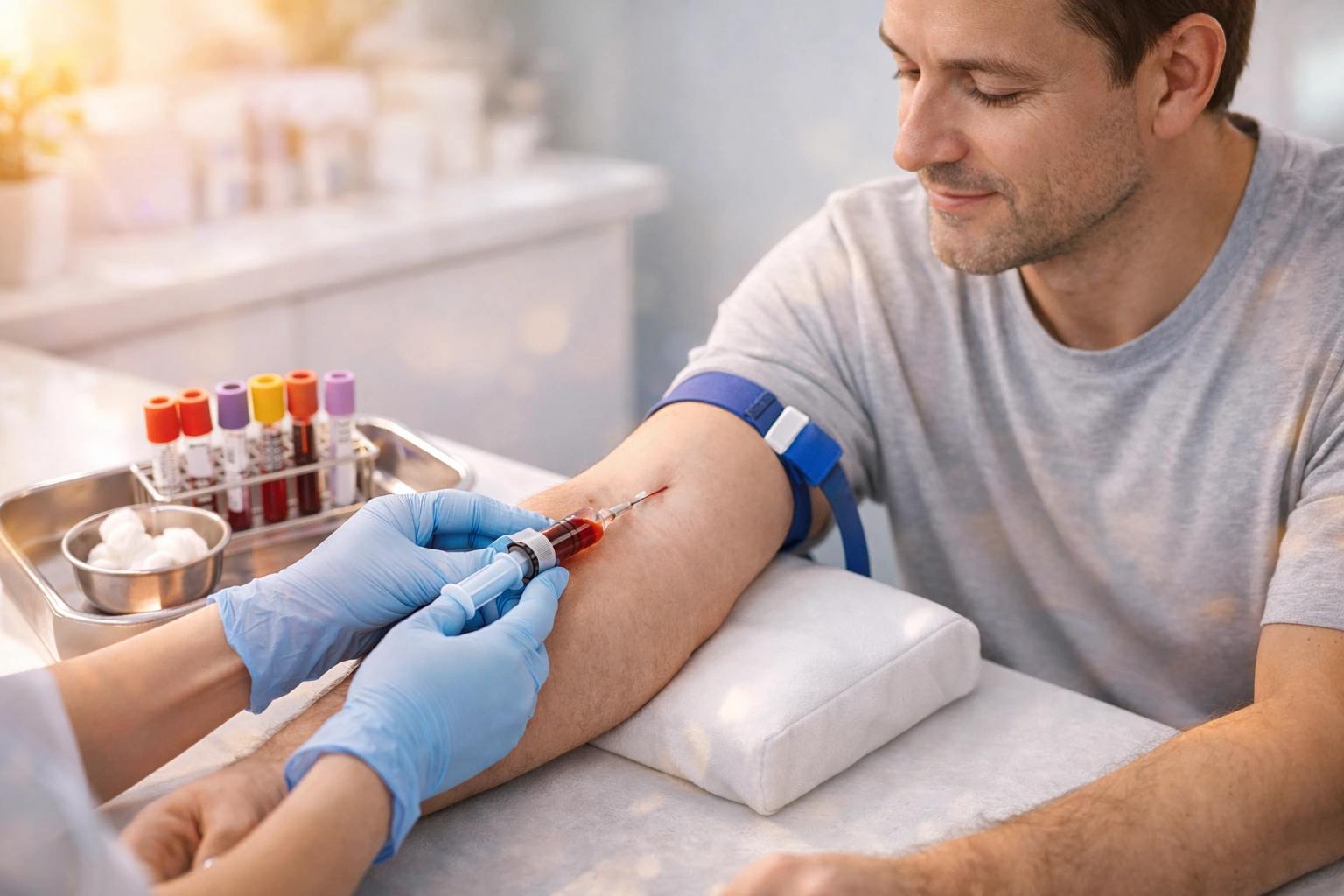
Imagine being able to detect more than 50 types of cancer through a single blood test, even before symptoms appear. It sounds like a major breakthrough in cancer prevention. However, a closer look at the scientific evidence suggests that the promise of early detection may be running ahead of what researchers have actually proved.
The Galleri test, developed by biotechnology company GRAIL, is a multi-cancer early detection (MCED) blood test designed to identify signals associated with more than 50 types of cancer. It analyses fragments of DNA circulating in the bloodstream to look for patterns that may indicate the presence of cancer and predict where it originated.
While the technology has generated considerable interest, a major clinical trial has raised important questions about whether using the test actually improves patient outcomes. Researchers have not established that it reduces the risk of dying from cancer.
So, how does this blood test work, what did the latest research find, and should people consider getting screened with it?
What Is the Galleri Cancer Detection Blood Test?
The Galleri test is a multi-cancer early detection test that uses a blood sample to look for cancer-associated signals.
Unlike conventional screening tests, which generally target one particular cancer, this technology is designed to screen for signals associated with more than 50 cancer types through a single blood draw.
The test uses a technology known as cell-free DNA (cfDNA) analysis. Cells naturally release small fragments of DNA into the bloodstream. Cancer cells can also release DNA fragments, which may carry patterns of chemical modifications known as DNA methylation.
By analysing these patterns, the test attempts to identify whether a cancer-associated signal is present and predict the tissue or organ where the cancer may have originated.
The technology is particularly interesting because several cancers, including pancreatic, ovarian and liver cancers, can be difficult to detect at an early stage using conventional screening approaches.
However, a positive result does not confirm that someone has cancer. Additional investigations, such as imaging, endoscopy or a biopsy, may be needed to establish a diagnosis.
Can One Blood Test Really Detect More Than 50 Types of Cancer?
The Galleri test is designed to detect signals associated with more than 50 cancer types, but this does not mean it detects every cancer reliably or at the earliest stage.
Its ability to identify cancer depends on several factors, including:
- The type of cancer
- The stage of the disease
- How much tumour DNA is released into the bloodstream
- The biological characteristics of the tumour
- The sensitivity of the testing technology
Early-stage cancers may release very small amounts of detectable tumour DNA. This can make them more difficult to identify through a blood-based test.
As a result, a test may be capable of detecting signals from many different cancer types while still missing a considerable proportion of cancers, particularly those at an early stage.
This distinction is important because the main objective of cancer screening is not simply to identify more abnormalities. It is to detect clinically important cancers early enough to improve treatment outcomes and ultimately reduce cancer-related deaths.
READ ALSO: Does Every Breast Lump Mean Cancer? Understanding When a Biopsy Is Needed
Is the Galleri Test Available in India?
Multi-cancer detection technology is attracting interest internationally, including in countries such as India, where the burden of cancer remains a major public health concern.
However, the availability, regulatory status, clinical validation and cost of a particular test can vary between countries.
People in India should not assume that a multi-cancer blood test is a substitute for established cancer screening programmes or that its performance has been proven equally well across different populations.
Before considering such a test, patients should discuss its clinical usefulness, limitations, cost and follow-up requirements with an oncologist or qualified healthcare professional.
It is also important to understand whether the test has been appropriately validated for the population in which it is being offered.
Disclaimer: This article is intended for general informational purposes and does not replace professional medical advice, diagnosis or treatment. Consult an oncologist or qualified healthcare professional before making decisions about cancer screening.
Follow HealthWireMedia.com for all the latest health news and developments from around the world.















Leave a comment