


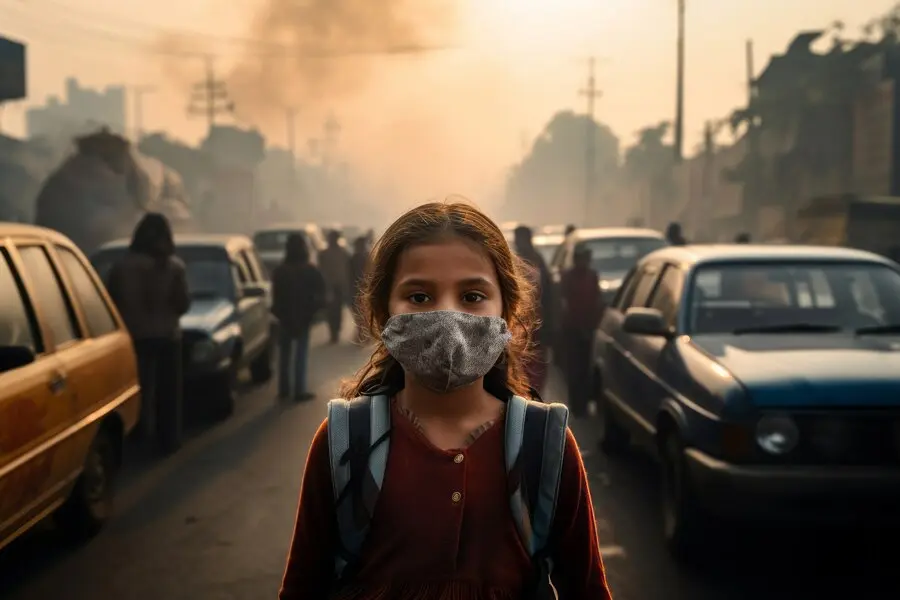
Delhi Air Pollution Update: Delhi’s air quality deteriorated to the ‘very poor’ category for the first time this season on Monday, November 2, as the Air Quality Index (AQI) crossed 300 amid a thick blanket of smog. The deterioration comes just days after rain brought temporary relief to the national capital, with pollution levels now rising sharply across Delhi-NCR.
According to the latest reports, Delhi’s AQI stood at 307 at 7:05 am on Monday, while another morning reading recorded it at 310. The worsening air quality has raised questions about the incoming health problems that this sudden change in weather conditions can invite. In this article, we take a close look at some of the possible health issues that air pollution can trigger, and how one can stay safe.
Delhi Air Pollution Update: AQI Turns ‘Very Poor’
According to the Central Pollution Control Board (CPCB) data, 36 of Delhi’s 58 monitoring stations reported a sharp surge in AQI levels on Monday. Jahangirpuri recorded an AQI of 417, placing it in the ‘severe’ category. Here is the what AQI above 300-400 range means:
- Good: 0–50
- Satisfactory: 51–100
- Moderate: 101–200
- Poor: 201–300
- Very Poor: 301–400
- Severe: 401–500
Therefore, the national capital’s current AQI at 300 indicates a health alert, with prolonged exposure potentially causing respiratory discomfort and other health effects.
“Most AQI sensors across Delhi NCR are now reporting AQI levels above 300 and many are climbing the 400-500 range tonight. The flow of winds are from the north west with calm conditions. All emissions will persist in the atmosphere for longer duration,” he said in a post on X.
How to Protect Yourself Amid Rising Pollution In Delhi?
With Delhi’s AQI in the ‘very poor’ category, taking proper measures is important to ensure good health. Here are some of the steps that you need to follow in order to
1. Limit Your Exposure To Outside Air
With air pollution levels increasing, experts suggest that one should limit outdoor exposure to avert health problems. Activities like long walks, jogging and strenuous outdoor workouts, particularly when pollution levels are high should be avoided. Children, older adults and people with asthma or heart and lung conditions should take extra precautions.
2. Wear a Well-Fitting N95 Mask Outdoors
If you need to go outside during heavy pollution, a well-fitting N95 respirator can help reduce exposure to fine particles such as PM2.5. Ordinary cloth or surgical masks may not provide the same level of protection against fine particulate pollution.
3. Keep Windows Closed During High Pollution
Also, it is important to keep all the windows and doors closed when AQI is poor, especially during periods of heavy smog. If available, use an air purifier with an appropriate particle filter indoors.
4. Avoid Early Morning and Late Evening Outdoor Exercise
Air pollution levels can remain high during these periods. Check the AQI before exercising outdoors and consider indoor workouts when air quality is poor.
While short-term exposure may cause irritation, coughing or breathing discomfort, repeated or prolonged exposure to air pollution is associated with more serious health risks.
Follow HealthWireMedia.com for all the latest health news and developments from around the world.














Leave a comment