

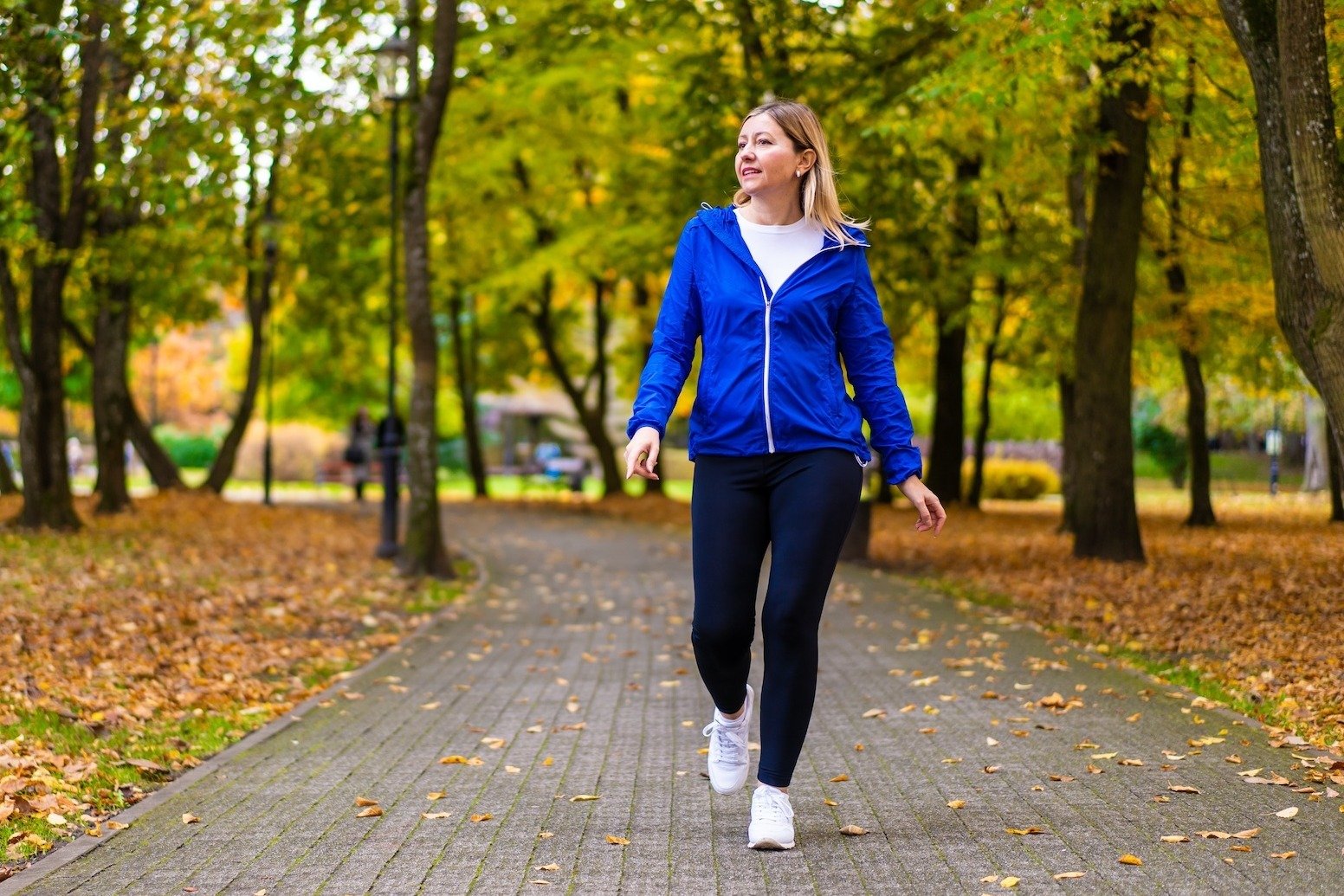
A short walk after a meal is often recommended as a simple way to support digestion and help manage post-meal blood sugar levels. But should you start walking immediately after eating, wait 15 minutes, or give your body an hour to digest? In this article, we understand the right time to walk after having meals, and what precautions you need to consider following for better health.
How Soon Can You Walk After Eating?
For most healthy adults, a gentle walk can begin soon after a meal – often within 10–15 minutes, or whenever you feel comfortable. There is no universal rule that everyone must wait a specific amount of time. The ideal timing depends on how much you have eaten, how you feel and your health needs.
Research suggests that moving soon after eating may help reduce the rise in blood glucose after a meal. A 2023 systematic review and meta-analysis found that exercise after eating had a greater short-term benefit for post-meal blood sugar than exercise before a meal, with activity performed as soon as possible after eating appearing particularly helpful.
ALSO READ: Why Walking 30 Minutes a Day Can Add Years to Your Life
How Long Should You Walk After a Meal?
For many people, 10–15 minutes of gentle walking is a manageable starting point. Even a shorter walk may be useful if it helps break up prolonged sitting.
Studies have examined different durations and activity levels, and there is no single exact duration that suits everyone. Research reviews suggest that walking soon after a meal can help reduce post-meal blood sugar levels, including in people with and without type 2 diabetes.
You can start with a comfortable pace and gradually increase your walking time based on your fitness and daily routine.
Health Benefits of Walking After Meals
If you are planning to start waking after meals, here are the health benefits that you may enjoy after doing so:
1. Help Manage Blood Sugar Levels
After eating, carbohydrates are broken down into glucose, which enters the bloodstream. Light physical activity allows working muscles to use some of that glucose for energy.
A systematic review published in Sports Medicine found that exercise after a meal reduced post-meal blood glucose excursions compared with inactivity, with earlier activity generally producing a stronger immediate effect.
ALSO READ: Climbing Stairs Vs. Brisk Walking: Which Is Better For Fast Weight Loss?
2. Support Digestive System
Walking after meals can help support the digestive system and relax the gut health. Some people find a gentle stroll more comfortable than sitting still after eating. However, walking is not a guaranteed cure for bloating, acidity or indigestion.
Is It Better to Walk Immediately or Wait 30 Minutes?
For blood sugar management, evidence generally favours moving soon after eating rather than waiting a long time. However, the research does not establish one exact minute that is best for every person.
A simple rule of thumb is: Finish your meal, take a few minutes to settle if needed, and begin a gentle walk when you feel comfortable.
You do not need to force yourself to walk immediately if you feel very full. Comfort and consistency matter more than following a rigid timing rule.
Follow HealthWireMedia.com for all the latest health news and developments from around the world.













Leave a comment