

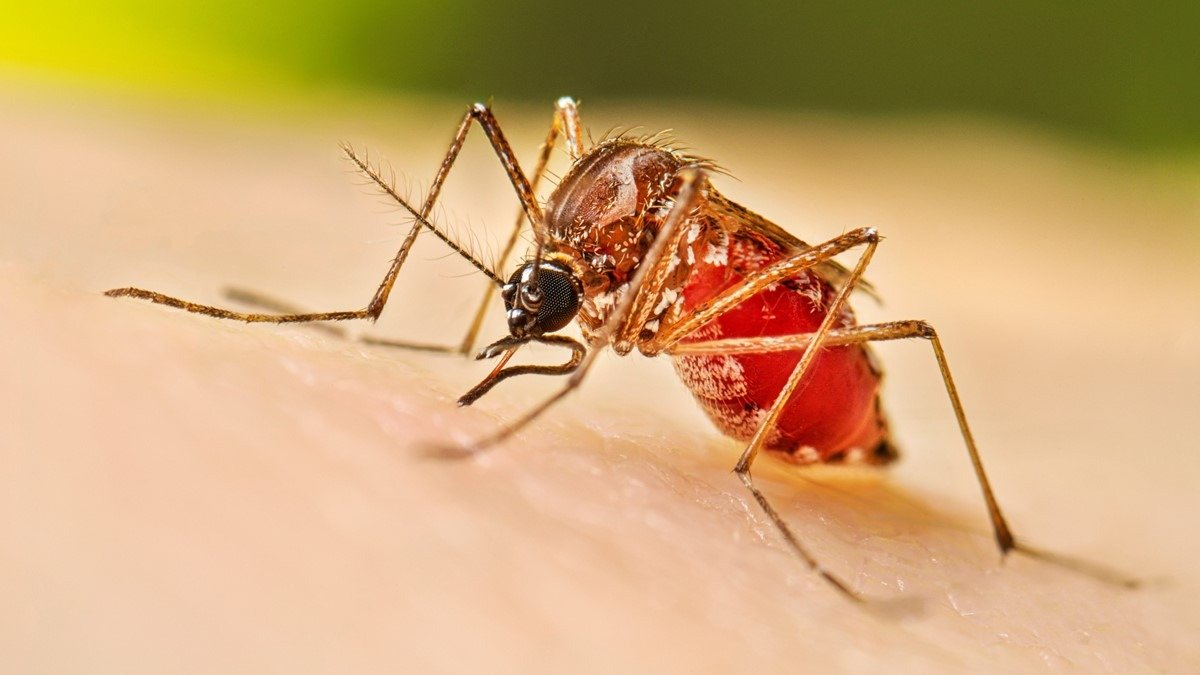
Dengue Virus Explained: Dengue fever is a mosquito-borne viral infection that affects millions of people worldwide, particularly in tropical and subtropical regions such as India. It is commonly associated with high fever, severe headaches, body aches and weakness. While most people recover with timely medical care, some cases can progress to severe dengue, a potentially life-threatening condition that may cause internal bleeding, fluid leakage, shock and organ damage.
But how does the dengue virus spread? Can dengue pass directly from one person to another? What symptoms should you watch out for, and what treatment is available?
In this article, we tell you everything about dengue fever, its transmission, symptoms, diagnosis and treatment.
How Does the Dengue Virus Spread?
Dengue spreads mainly through the bite of an infected female Aedes mosquito. Unlike some respiratory infections, it does not typically spread directly from one person to another through coughing, sneezing, touching or sharing food.
While the transmission happens when the infected mosquito bites an individual, people also get confused about the human-to-human transmission of this virus. According to the experts, dengue does not usually spread through casual person-to-person contact. However, transmission can rarely occur through other routes, including blood transfusions, organ transplants and needlestick injuries. An infected pregnant woman may also transmit the virus to her baby during pregnancy or around childbirth.
ALSO READ: Dengue treatment: What to do if you test positive for dengue?
Symptoms of Dengue Viral Infection
Dengue symptoms generally appear around 4-10 days after contracting/catching the virus. Some people infected with the virus do not develop noticeable symptoms, while others experience flu-like symptoms that can last for approximately 2–7 days.
The most common symptoms include:
- High fever: A sudden rise in body temperature, sometimes reaching 40°C (104°F).
- Severe headache: Persistent headaches that may interfere with daily activities.
- Pain behind the eyes: Discomfort or pain around or behind the eyes, particularly during eye movement.
- Muscle and joint pain: Significant body aches, sometimes described as break-bone pain.
- Nausea and vomiting: Some patients experience nausea, vomiting and reduced appetite.
- Skin rash: A rash may develop during the illness.
- Extreme tiredness: Weakness and fatigue can continue even after the fever subsides.
According to the World Health Organisation (WHO), the critical phase of dengue often occurs around the time the fever subsides, usually between three and seven days after the onset of illness. This is when some patients may develop complications due to fluid leaking from blood vessels, bleeding or organ involvement.
ALSO READ: Dengue in India: Early Symptoms and Prevention Strategies
How Is Dengue Diagnosed?
In an exclusive interaction, Dr. Sunil Rana, Associate Director and Head- Internal Medicine (Unit III), Internal Medicine, Asian Hospital, said, “Dengue is diagnosed through a combination of clinical evaluation and blood tests.” She further explained that here are some of the most common tests that are done to diagnose dengue – depending upon the stage and seriousness of the patient’s condition:
- NS1 antigen test: Often used during the early stage of infection to detect a dengue virus protein.
- RT-PCR test: Detects dengue viral genetic material and can help identify the infection during the early phase.
- IgM antibody test: Helps identify the body’s immune response to dengue and is generally more useful after the first few days of illness.
- Complete blood count (CBC): Helps monitor platelet count, white blood cell count and haematocrit levels.
It is important to note that a falling platelet count can occur in dengue, but platelet numbers alone do not determine whether a patient has severe dengue. Doctors assess the patient’s overall condition, symptoms, bleeding, hydration and other blood-test findings before deciding on treatment.
Dengue Treatment: What You Need To Know
There is currently no specific antiviral medicine that cures dengue. Treatment mainly focuses on managing the symptoms of this viral infection. Here are some of the most common treatment options:
1. Take Proper Rest and Stay Hydrated
Patients with mild dengue are generally advised to take adequate rest and drink sufficient fluids. Water, oral rehydration solution (ORS) and other appropriate fluids may help prevent dehydration, particularly when fever, sweating, nausea or vomiting are present.
2. OTC Medicines To Treat Mild Fever
In some cases, doctors may recommend paracetamol to manage fever and body aches. However, patients should avoid self-medication and follow the dosage advised by their healthcare provider. Some of the OTCs such as aspirin and ibuprofen should generally be avoided in suspected or confirmed dengue because they can increase the risk of bleeding.
In severe cases, patients who develop warning signs or severe dengue may need hospitalisation for close monitoring and supportive treatment.
How Can You Prevent Dengue?
Since dengue is primarily spread by infected mosquitoes, preventing mosquito bites and controlling mosquito breeding are essential. Here are some precautions that can help reduce the risk:
- Remove stagnant water: Empty and clean coolers, buckets, flowerpots and other containers that collect water.
- Cover water-storage containers: Keep tanks, drums and other water vessels properly covered.
- Use mosquito repellents: Apply a suitable mosquito repellent according to its instructions.
- Wear protective clothing: Choose full-sleeved shirts, long trousers and clothing that covers exposed skin.
- Use mosquito nets and screens: These can offer additional protection, particularly for infants, children and people who are unwell.
- Keep the surroundings clean: Dispose of discarded tyres, plastic containers and other objects that can collect rainwater.
People with dengue should also avoid mosquito bites while they are potentially infectious to mosquitoes, helping reduce the risk of further transmission within the community
Follow HealthWireMedia.com for all the latest health news and developments from around the world.
















Leave a comment