

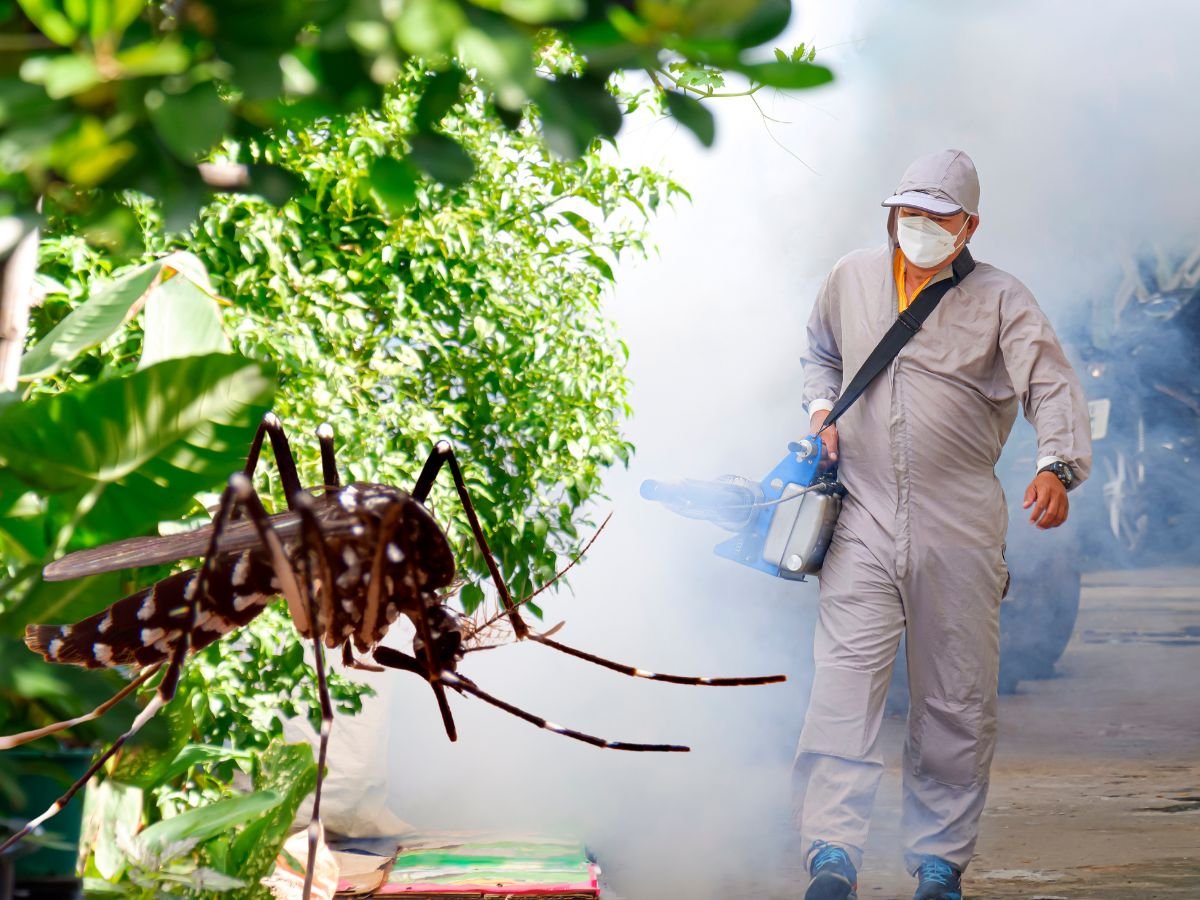
New Delhi, 28 October 2025: As temperatures rise and monsoon approaches, health experts are raising an urgent alarm about the increasing number of dengue hemorrhagic fever (DHF) cases across several Indian states. A leading infectious disease specialist warns that this severe and potentially fatal complication of dengue fever requires immediate medical attention, especially during this peak mosquito-breeding season.
Dr. Neeraj Sharma, a senior consultant at a prominent Delhi hospital, says, “We are witnessing a surge in patients coming in with classic dengue symptoms, but many are also progressing to the hemorrhagic form, which is extremely dangerous. Awareness, early diagnosis, and prevention are key to controlling the situation.”
What is Dengue Hemorrhagic Fever?
Dengue hemorrhagic fever is a serious form of dengue virus infection, transmitted by the bite of the Aedes aegypti mosquito. Unlike regular dengue, DHF leads to bleeding, blood plasma leakage, and in severe cases, organ failure and death. It mostly affects children, the elderly, or individuals with compromised immunity but can strike anyone exposed to the virus.
Dr. Sharma explains, “DHF often starts like regular dengue—with high fever, headache, pain behind the eyes, muscle and joint pain. But by the third or fourth day, the danger signs begin.”
Deadly Symptoms to Watch Out For
According to Dr. Sharma, some warning signs of dengue hemorrhagic fever include:
- Persistent vomiting
- Severe abdominal pain
- Bleeding gums or nose
- Blood in vomit or stool
- Cold or clammy skin
- Rapid breathing or difficulty breathing
- Sudden drop in blood pressure
- Fatigue or restlessness
- Enlarged liver
- Low platelet count and elevated hematocrit
“These symptoms indicate internal bleeding and plasma leakage. If untreated, it can lead to dengue shock syndrome, which is life-threatening,” he adds.
No Cure, But Prevention is Possible
Currently, there is no specific antiviral treatment for dengue hemorrhagic fever. Management is mostly supportive, involving fluid replacement, monitoring of vital signs, and hospitalisation in severe cases.
“The most effective way to tackle DHF is to stop the disease before it starts. That means preventing mosquito bites and controlling mosquito breeding,” says Dr. Sharma.
Top Prevention Tips from the Doctor:
- Eliminate Standing Water: Empty containers, flower pots, old tires, and water tanks where mosquitoes lay eggs.
- Use Mosquito Repellents: Apply repellents containing DEET, picaridin, or lemon eucalyptus oil, especially during early morning and dusk.
- Wear Protective Clothing: Full-sleeved shirts and long pants can protect against bites.
- Install Mosquito Nets and Screens: Ensure windows and doors have mesh screens and use bed nets at night.
- Keep Your Environment Clean: Regularly clean coolers, pet bowls, and any place that can collect water.
- Avoid Visiting Dengue-Prone Areas: If outbreaks are reported in your locality, try to stay indoors during peak mosquito activity times.
Dr. Sharma urges the public to remain vigilant: “Don’t ignore high fever or unexplained bleeding. Early detection and treatment can save lives. If someone in your family is showing signs of severe dengue, seek medical help immediately.”
With the monsoon season around the corner, health authorities are ramping up awareness drives and urging citizens to act responsibly to prevent a public health crisis.














Leave a comment