

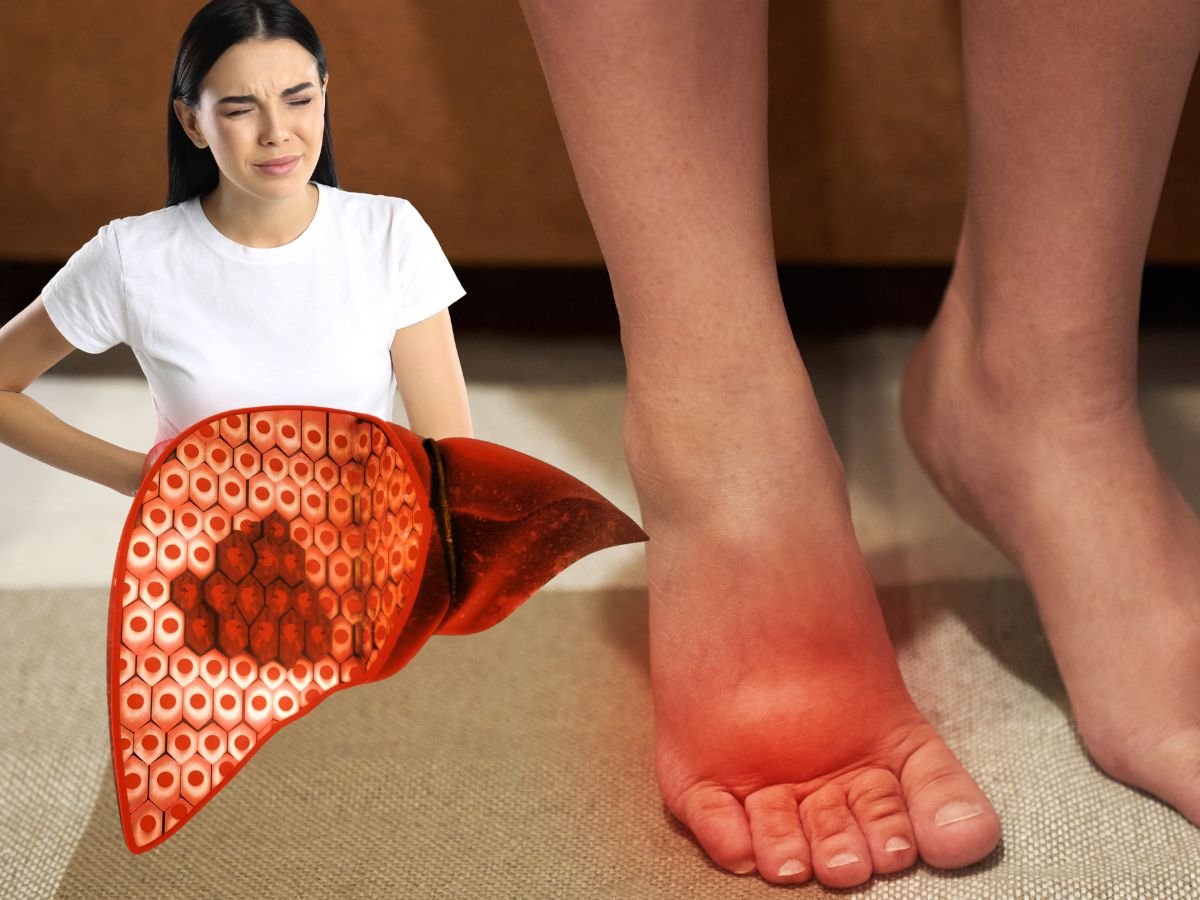
Fatty Liver Symptoms: Fatty liver disease, once considered a condition affecting middle-aged or overweight individuals, is increasingly being diagnosed in people in their 20s and 30s. Gastroenterologists warn that lifestyle changes, dietary habits, and silent metabolic problems are contributing to excessive fat accumulation in the liver among younger populations.
What Is Fatty Liver Disease?
Fatty liver occurs when excess fat builds up inside liver cells. When more than 5–10% of the liver’s weight consists of fat, it is medically termed fatty liver disease. The most common form today is non-alcoholic fatty liver disease (NAFLD), which develops in people who drink little or no alcohol.In many cases, the condition progresses silently without noticeable symptoms, making early diagnosis difficult. However, untreated fatty liver can advance to liver inflammation, fibrosis, cirrhosis, and even liver failure over time.
Early Symptoms Often Ignored
According to gastroenterologists, fatty liver is frequently called a “silent disease” because symptoms may be mild or absent in the early stages. Still, several warning signs should not be ignored:
Persistent fatigue or low energy levels
Mild discomfort or heaviness in the upper right abdomen
Unexplained weight gain or difficulty losing weight
Bloating and indigestion
Loss of appetite
Brain fog or reduced concentrationIn advanced stages, symptoms may include jaundice, swelling in the legs, or severe abdominal pain, indicating liver damage.
Hidden Causes Behind Fatty Liver in Young Adults
Experts emphasize that fatty liver at a young age is rarely caused by a single factor. Instead, it results from multiple lifestyle and metabolic triggers.
1. Sedentary Lifestyle
Long hours of sitting, minimal physical activity, and excessive screen time slow down metabolism. When calories are not burned efficiently, the body stores fat—including inside the liver.
2. High Sugar and Processed Food Intake
Young adults often consume sugary beverages, fast food, refined carbohydrates, and packaged snacks. Excess sugar, especially fructose, converts into fat in the liver, accelerating fatty liver development.
3. Obesity and Visceral Fat
Even individuals who appear slim externally may carry excess visceral fat around internal organs. This “hidden obesity” significantly increases fatty liver risk.
4. Insulin Resistance
Insulin resistance—often linked to prediabetes and type 2 diabetes—prevents cells from using glucose properly. The liver then converts excess glucose into fat, leading to fat accumulation.
5. Sleep Deprivation and Stress
Chronic stress and poor sleep disturb hormone balance, increase cortisol levels, and promote fat storage. Young professionals and students with irregular routines are particularly vulnerable.
6. Rapid Weight Gain or Crash Dieting
Surprisingly, extreme dieting or sudden weight fluctuations can stress the liver and worsen fat deposition rather than reduce it.
7. Genetic and Hormonal Factors
Family history, thyroid disorders, polycystic ovary syndrome (PCOS), and metabolic syndrome also play significant roles in early-onset fatty liver.
Why Early Detection Matters
Gastroenterologists stress that fatty liver is reversible in its early stages. Many young patients discover the condition accidentally during routine blood tests or abdominal ultrasound scans.Key investigations include:
Liver function tests (LFTs)
Ultrasound imaging – Fibroscan or liver stiffness assessment* Blood sugar and lipid profile evaluationDetecting the condition early prevents long-term complications.
How to Reverse Fatty Liver Naturally
The cornerstone of treatment is lifestyle modification rather than medication alone.
Adopt a balanced diet: Focus on vegetables, fruits, whole grains, lean protein, nuts, and healthy fats while limiting sugar, fried foods, and refined carbohydrates.
Exercise regularly: At least 150 minutes of moderate physical activity per week helps reduce liver fat and improve insulin sensitivity.
Maintain healthy weight: Even a 7–10% reduction in body weight can significantly improve liver health.
Improve sleep habits: Aim for 7–8 hours of quality sleep daily.
Avoid unnecessary medications and alcohol: Both can burden the liver further.
Fatty liver disease is no longer an age-related condition—it is rapidly emerging among young adults due to modern lifestyle patterns. Because symptoms often remain hidden, awareness and routine health check-ups are essential. Gastroenterologists emphasize that early lifestyle correction can completely reverse fatty liver and restore liver health, making prevention and timely action the most powerful treatment.















Leave a comment