

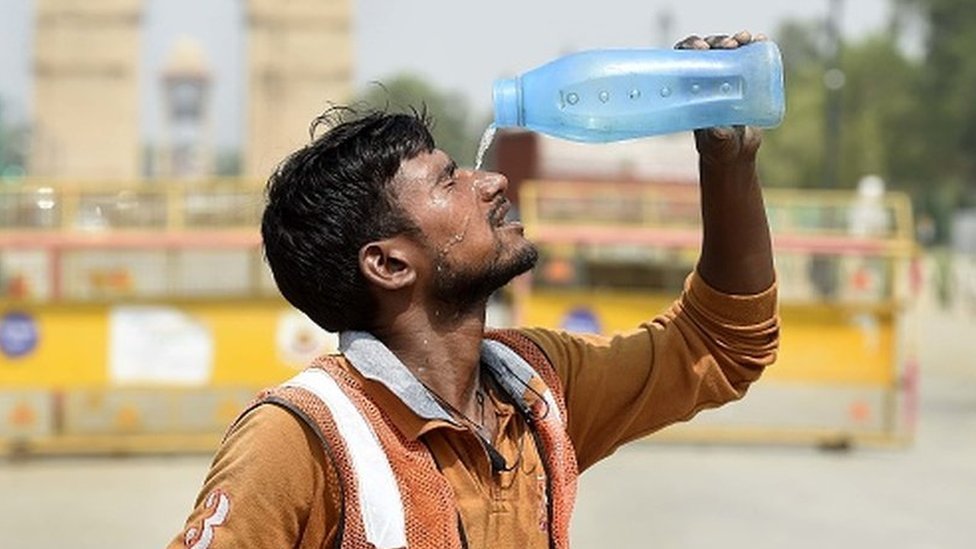
Rise in temperature during summer months not only makes it uncomfortable but also causes significant physiological pressure on our vital organs. According to experts liver and kidneys are the two main organs that are exposed to this pressure and they contribute significantly to the maintenance of fluid balance, detoxification of the body and the metabolism of food products.
One of the biggest issues of the summer months is dehydration and with the rise in temperature humans not only tend to lose water but also electrolytes as sodium and potassium. Therefore staying hydrated is non-negotiable for ensuring that your body functions normally.
Heatwave and kidney health
According to Dr. Anupam Roy, Additional Director of Nephrology and Kidney Transplant, Aakash Healthcare Multi-Speciality Hospital, Dwarka when people don’t replace fluid intake at the rate at which we are sweating and losing fluid like electrolytes, the volume of our blood gets reduced hence reduced blood is transported to the kidneys. To ensure that the kidneys perform normally they need to be well perfused or supplied with blood otherwise they cannot perform their functions of filtering the waste products and toxins that have accumulated in the body. This is the reason why many people experiences acute kidney injury or worsening of pre-existing kidney issues.
“Dehydration also increases the risk of urinary tract infections and kidney stones which are especially prevalent during high temperatures,” she further said. “Early symptoms of dehydration are not always known they may include a dry mouth, thirst, dark urine or a fall of urine. Such symptoms are a sign that the body fluid balance is disturbed. One of its functions is to process toxins, to metabolize food, and to assist in the digestion process.”
Heatwave and liver health
Dr. Roy further told TheHealthsite.Com that the process of dehydration the level of toxins in blood may exceed normal levels which could put extra strain on the liver. Additionally metabolic processes may also be altered due to heat stress and affecting the liver enzyme functions. In severe situations long-term heat exposure can worsen an underlying liver disorder or result in other effects like fatigue, loss of appetite and digestive problems.
He continued,”Another factor to be taken into consideration is the indirect effects of the lifestyle habits in summertime. More sugar drinks, alcohol and contaminated food and water may contribute to the load on the liver and kidneys. The heat can make one lose appetite due to fatigue and this will lead to lesser intake of nutrients.”
Who are at greater risk? Prevention
According to Dr. Roy some people who are at greater risk of liver and kidney dysfunction due to heatwave include older adults, outdoor workers, children and people with chronic illnesses. Individuals who exercise in hot conditions or use drugs such as diuretics are also at a higher risk of dehydration so they should take additional measures to replenish the lost fluids.
Talking about taking proactive measures to reduce stress on your organs during summer, Dr. Roy suggests, “The most critical element to kidney health is adequate hydration therefore increase the fluid intake as per your requirements, physical activity and the temperature of the air. To replace the electrolytes lost due to heat you can sip hydrating fluids such as coconut water, lemon water and oral rehydration solutions. Additionally ensure to limit the amount of alcohol and caffeine you take because they are also dehydrating.
“High water foods like fruits and vegetables can also help you stay hydrated while giving your body valuable nutrients required for a healthy lifestyle. Not forgetting taking a lot of rest and spending less hours under the sun during the hottest hours of the day will also help in reducing heat stress on the body.”
Though the effects of the heat of summer may seem to be temporary they can be severe on organs in the body like liver and kidneys unless precautionary measures are taken. The doctor concludes stating an individual who is aware of their diet, fluid intake and lifestyle will be able to keeping organs active and healthy while preventing any complications that may be caused by extreme exposure to the heat during summer months.
The content above is only for informational purposes. It is not at all professional medical advice. Always consult your doctor or a healthcare specialist for any questions regarding your health or a medical condition.
















Leave a comment