

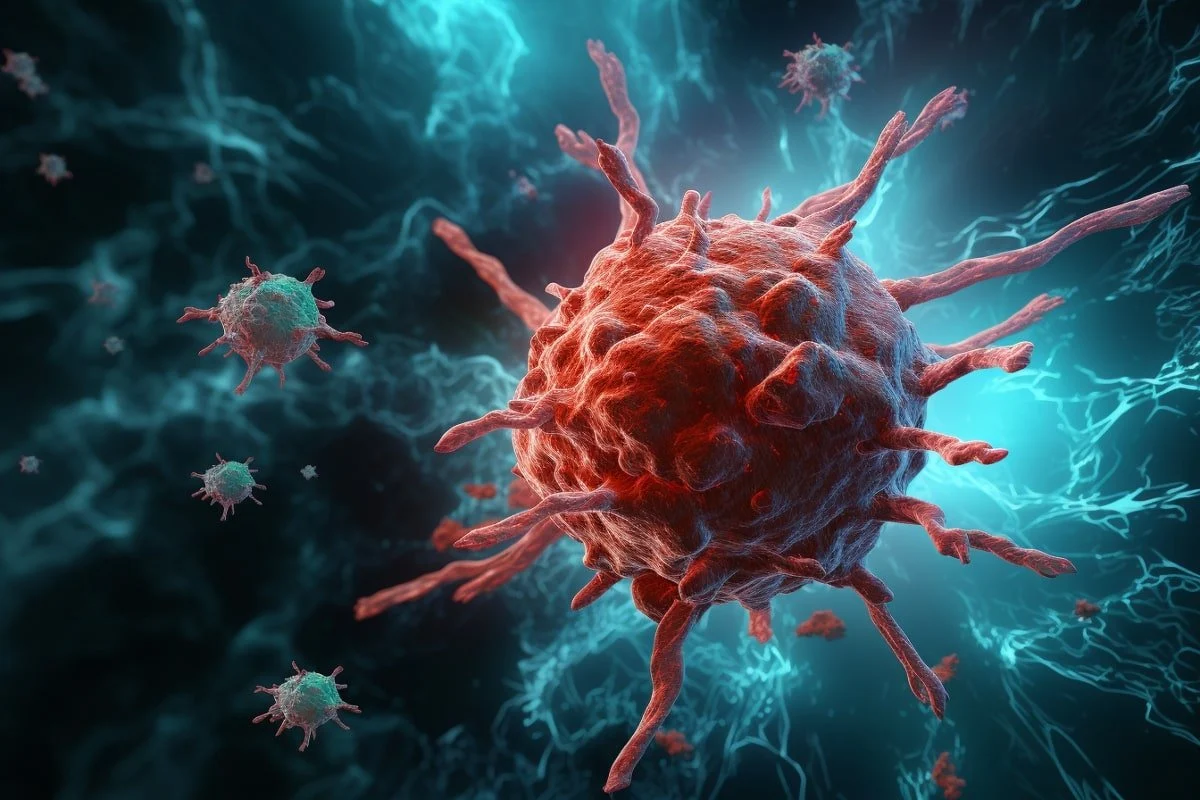
Most individuals would agree that cancer is largely genetic, something you are born with, and have no control over. However, doctors believe that it is not necessarily the case. Global health experts such as the World Health Organisation and the American Cancer Society have indicated that almost 90 per cent of cancers have been attributed to lifestyle and environmental aspects.
According to Dr Chinnababu Sunkavalli, Clinical Director of Surgical Oncology at Yashoda Cancer Institute, although genes are important, most cancers arise due to the way that we live our everyday lives, what we eat, air that we breathe and the habits that we are used to.
Lifestyle plays a bigger role than you think
The doctor said that cancer does not occur by accident. It is formed gradually in most occasions as a result of bad habits. Major risk factors include smoking, poor diet, lack of exercise, pollution and infections. These are aspects that we can do.
Indicatively, approximately 22 per cent of cancer deaths in the world are due to tobacco alone. When an individual stops smoking, his or her chances of getting lung cancer reduce considerably by almost 50 per cent in 10 years. A good reminder that big changes can be made out of little ones.
Simple ways to lower your cancer risk
Here are some of the simple ways to lower the risk of cancer:
1. Eat healthy every day
Stock your plate with vegetables, fruits, whole grains, and foods that contain fibre. Attempt to consume at least five meals in a day. A well-balanced diet can reduce the risk of cancer by 20% or more.
2. Reduce the consumption of bad foods.
Restrict processed foods, red meat, sugary foods, and alcohol. These are associated with increased risk of cancer in excess.
3. Maintain a healthy weight
There are at least 13 types of cancer which are associated with obesity. One of the best ways to keep yourself safe is by controlling your weight through eating and exercising.
4. Protect your skin
Wear sunscreen (SPF 30) every day and do not expose yourself to strong sunlight, particularly in midday. This can prevent skin cancer.
5. Get vaccinated
Some infections can result in cancer. HPV vaccines are useful in prevention of cervical cancer, and hepatitis B vaccine lessens the chances of liver cancer.
6. Minimise the effect on pollution
Whenever you can, attempt to find clean air and safe drinking water. A frequently ignored risk of cancer is pollution.
7. Go for frequent check-ups
The screening tests such as mammograms and colonoscopies, can help identify cancer at an early stage when it can be easily treated. Early diagnosis is life-saving.
Prevention is better than cure. Even little things you do can save your health in the future.
Disclaimer: Dear readers, this article provides general information and advice only. It is not at all professional medical advice. Therefore, always consult your doctor or a healthcare specialist for more information.















Leave a comment