

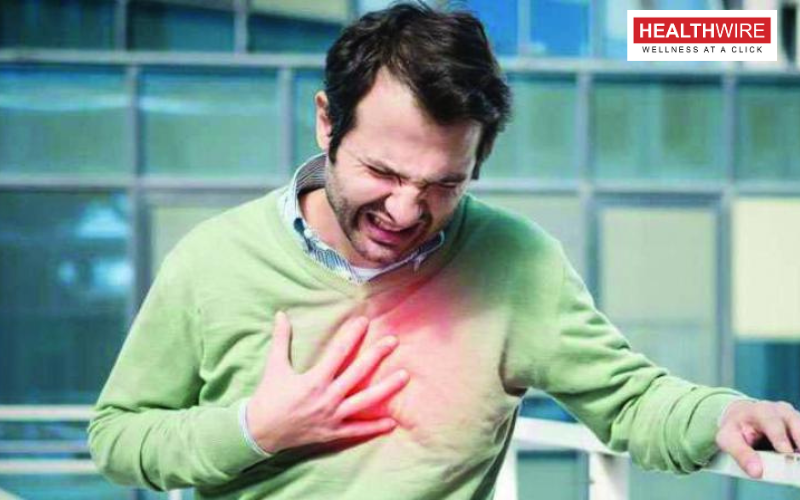
In 2026, heart attacks are not limited to the elderly—young people are increasingly facing this serious condition. Before a heart attack occurs, the body often gives several warning signs, including pain.
Many people believe that heart attack pain occurs only on the left side of the chest, but this is not always true. According to cardiologist Dr. Subhash Chandra from Max Hospital, heart attack pain does not remain confined to one area—it can be felt in multiple parts of the body. Therefore, recognising these symptoms is extremely important.
In this article, we explain where heart attack pain can occur and what warning signs may appear in the hours leading up to it.
Where Does Heart Attack Pain Occur?
Heart attack pain can be experienced in different parts of the body. Here’s how:
Chest Pain
During a heart attack, pain may occur in the centre of the chest. Some people may also feel pressure, tightness, burning, or heaviness, as if a heavy object is placed on their chest.
Pain in the Left Arm
The pain often begins in the chest and spreads to the left arm. In some cases, it may affect both arms. If you notice such symptoms, seek medical help immediately.
Neck, Jaw, and Shoulder Pain
Some individuals may feel pain in the neck, jaw, or shoulders before a heart attack. This is often mistaken for dental or muscle pain. Repeated discomfort in these areas should not be ignored.
Back Pain
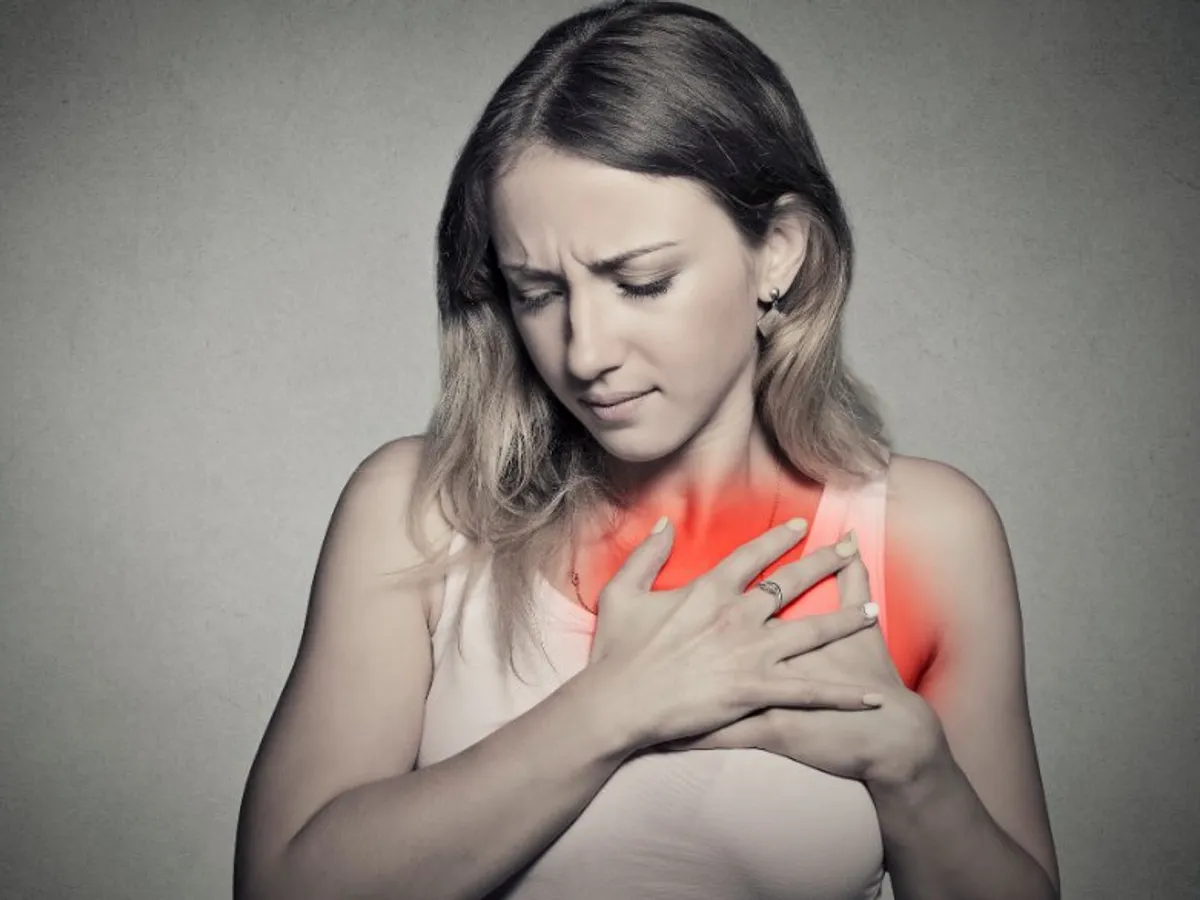
Pain in the upper back can also be a sign of a heart attack. This symptom is more commonly observed in women compared to men.
Upper Abdominal Pain
A burning sensation or pain in the upper abdomen may occur, which is often mistaken for gas or acidity. Persistent discomfort should be evaluated by a doctor.
Symptoms That May Appear Hours Before a Heart Attack
Dr. Subhash explains that the body may show warning signs hours before a heart attack. These include:
- Shortness of breath without exertion
- Sudden cold sweats
- Nausea or vomiting sensation
- Dizziness or weakness
- Anxiety or restlessness
Important Things to Know About Early Symptoms
These symptoms often develop gradually and may last longer than 10–15 minutes. Sometimes, the pain may come and go. In certain individuals—especially diabetics and the elderly—symptoms may be mild or unusual.
What Should You Do in Such a Situation?
If you notice symptoms of a heart attack, call an ambulance or emergency service immediately. Avoid driving yourself to the hospital. If previously advised by a doctor, you may chew an aspirin—but do not take it regularly without medical consultation.
Disclaimer: This article provides general information and advice only. It is not a substitute for professional medical consultation. Always consult a qualified healthcare expert for accurate diagnosis and treatment.












Leave a comment