Home Health News Cardiology Heart checkups after 30: Early warning signs, risk factors and tests to prevent heart disease in young adults
Cardiology

Heart checkups after 30: Early warning signs, risk factors and tests to prevent heart disease in young adults

Share
Share

With a demanding lifestyle to fullfil many people are abandoning their health and heart disease is becoming very common. Although heart problems used to be limited to the elderly they are currently taking hold of the youth as well. Hence, it is important to ensure that heart checkup is done promptly so that any serious issues can be avoided at an early stage.

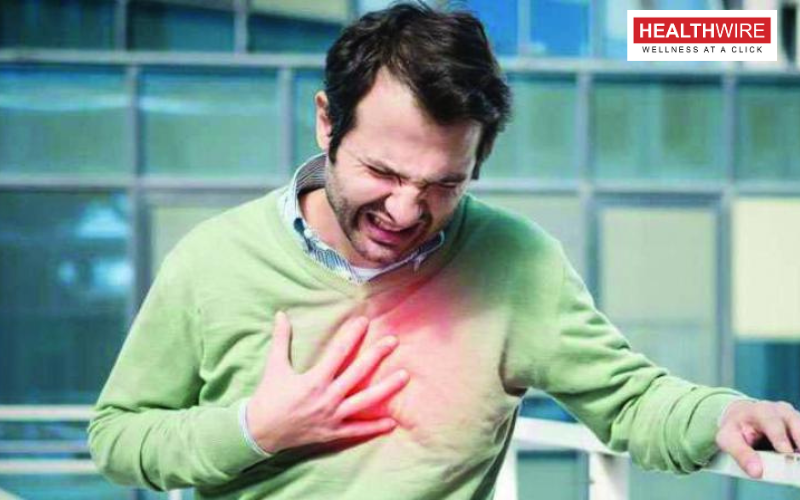
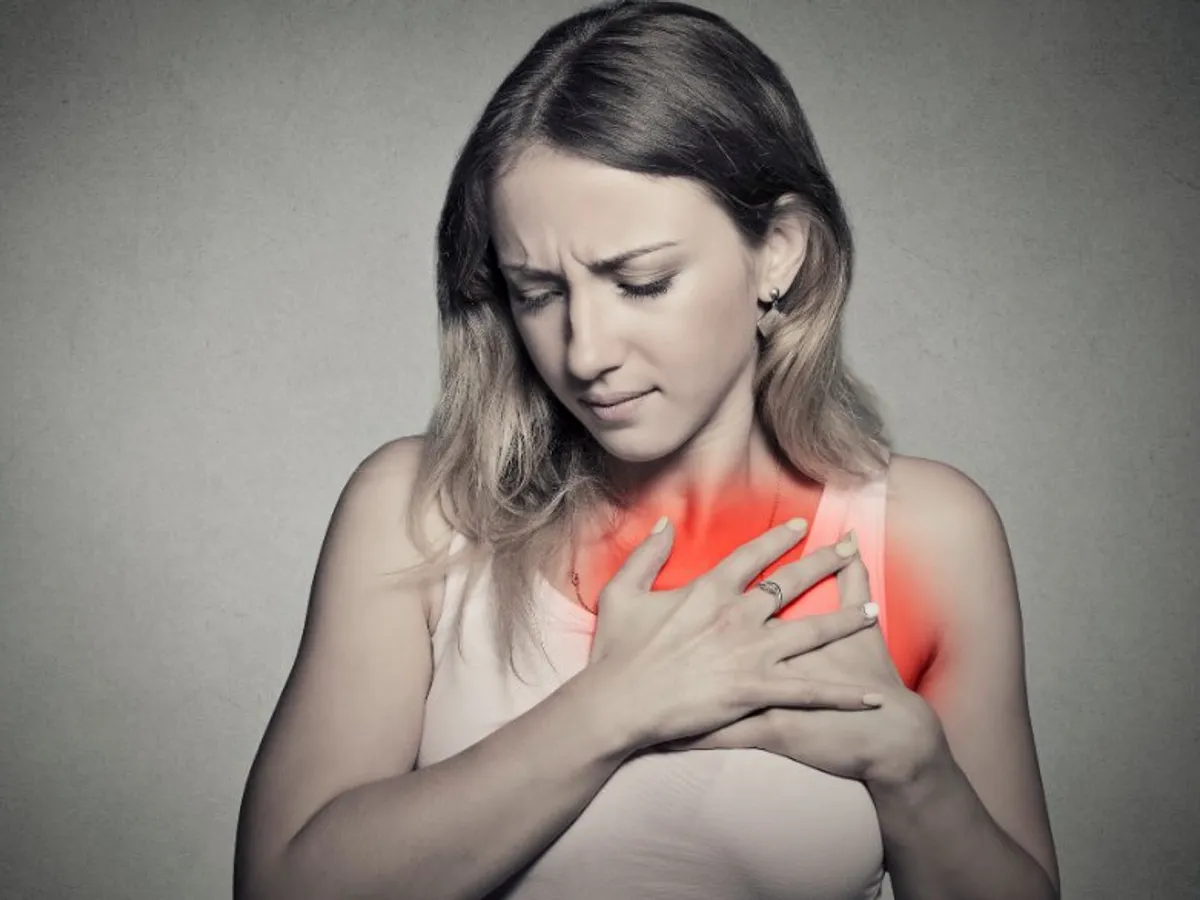
Firstly, it is essential to learn that the body gives certain signals that cannot be disregarded. You may have heart health issues if you are having chest pain, pressure, difficulty breathing, irregular heartbeat or sudden extreme fatigue. Moreover, individuals who have a heart disease problem in their family should be particularly cautious. And in case a parent or sibling has had heart issues, then one should start heart checkups after age 30-35 to facilitate early detection of risks.

When is the right time to have your heart checked?

30-35 yrs: Everyone should have a baseline heart test after the age of 30. This first checkup provides a baseline for future reference so it is clearer to see any changes that occur over the course of time.

Family history: When someone in your family has had an issue with their heart then you should also get your heart checked periodically.

Blood pressure and obesity: It is safer to begin regular checkups at the age of 25 if an individual has diabetes, high blood pressure, obesity and chronic stress. Heart problems are more likely to occur in these scenarios than otherwise.

Do not wait for symptoms

We live in a busy world where we experience irregular schedules, junk food, smoking, alcohol and lack of exercise slowly taking their toll on the heart. Thus, it is not appropriate to wait until the symptoms appear. Risk factors can be easily detected before they occur and prevented early by taking regular checkups.

How is the heart checked?

A heart check-up typically includes blood pressure, blood sugar and cholesterol tests. Whereas other tests such as ECG and echocardiography are used to determine how the heart functions. A treadmill test (TMT) is also done if necessary to identify how the heart is performing during physical activity. The combination of these tests gives a clear outcome of heart health. In case of any heart issues are detected they they are treated immediately.

What are the symptoms of heart disease?

Symptoms related to heart disease include:

  1. Chest pain
  2. Breathlessness
  3. Fast or irregular heartbeat
  4. Lightheadedness or bizarre fatigue

These symptoms are worth pointing out but heart disease does not necessarily have evident symptoms. Early diagnosis of the disease through timely heart checkups would not only help avoid complications but also treat the disease. Moreover, it is possible to keep a healthy heart in the long run by making the required lifestyle changes.

The content is only for informational purposes. It is not at all professional medical advice. Always consult your doctor or a healthcare specialist for any questions regarding your health or a medical condition.


Share
Written by
Swapna Karmakar

Swapna Karmakar is an experienced Health Journalist and the Editorial Lead at Healthwire Media. She has a background in investigative reporting and a deep interest in community health and regulatory updates within the medical sector. Swapna focuses on bridging the gap between healthcare providers and patients by crafting narratives that simplify medical terminology without losing clinical depth. Her research process involves analyzing peer-reviewed journals and official regulatory notifications from bodies like the National Medical Commission (NMC) to provide timely news to both healthcare professionals and the general public. Swapna’s work is characterized by a commitment to transparency and evidence-based reporting. Outside of health reporting, she is an avid traveler and explorer of cultural landscapes. 

Leave a comment

Leave a Reply

Your email address will not be published. Required fields are marked *

Don't Miss

Signs Of Heart Attack
Cardiology

Heart Attack Symptoms Explained: Does the Pain Always Occur on the Left Side? Expert Reveals Warning Signs You Shouldn’t Ignore

In 2026, heart attacks are not limited to the elderly—young people are increasingly facing this serious condition. Before a heart attack occurs, the...

There are many microorganisms that directly harm the stomach.
Diet & NutritionLifestyle & Wellness

Viral gastroenteritis cases amid rising summer heatwave: Tips to protect yourself

As the temperature continues to rise, viral gastroenteritis also known as stomach flu spikes in Mysuru with reports indicating a sharp rise in...

Nephrology

Heatwave alert: How dehydration silently damages your kidneys and hidden risks you must not ignore

With the moderate increase in temperatures in India, the majority of the population is concentrating on being hydrated. Although dehydration is a key...

Lifestyle & Wellness

Pre-pregnancy obesity may raise child’s fatty liver risk by 3 times, warns expert

Planning a pregnancy often focuses on eating well, taking supplements, and going for regular check-ups. However, recent studies indicate that preconceptual health is...

Sir ganga ram hospital (SGRH)
Press Release

Sir Ganga Ram Hospital Celebrates 71st Founder’s Day; Delhi LG Shri Taranjit Singh Sandhu Graces the Occasion

New Delhi: Sir Ganga Ram Hospital celebrated its 71st Founder’s Day with great reverence and enthusiasm, commemorating the enduring legacy of its visionary...

Section title

Related Articles
Signs Of Heart Attack
Cardiology

Elevated Pulse Pressure May Signal Higher Heart Disease Risk

Pulse pressure is the difference between the top and bottom numbers of...

High cholesterol
Cardiology

Cholesterol Levels in Your 40s: Expert Explains Ideal Numbers to Prevent Heart Attack and Stroke

Cholesterol Levels in Your 40s: High cholesterol has become a common health...

Cardiology

Nighttime Heart Attack Risk Factors: 5 Most Common Causes of Cardiac Emergencies At Night

Heart attacks are often associated with daytime stress and activity, but many...