

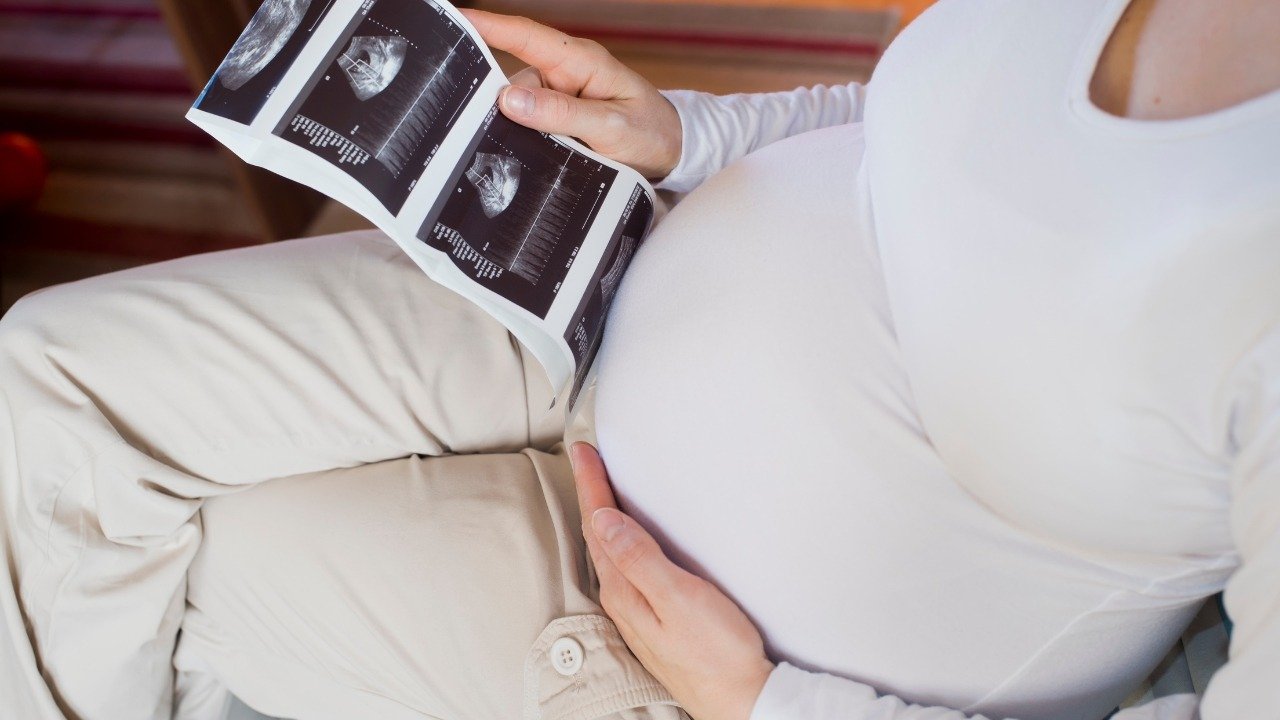
In many regions, an increase in temperature and recurring heatwaves is a matter of concern. While everyone is at risk of the effects of heat, pregnant women may be more susceptible. Heat exposure for prolonged periods of time during pregnancy can raise some health hazards for mother and the unborn baby, experts say.
Why pregnant women are more sensitive to heat?
In the mother’s body, certain functions have to increase and become more intensive throughout pregnancy. There is an increase in blood volume, heart pumping and metabolism. The changes may make it harder for the body to lower or raise its temperature.
This means that pregnant women may get colder than normal and become dehydrated more rapidly. If it’s too hot for the body it can exert extra stress, particularly in the second and third trimesters of pregnancy.
Health risks linked to heatwaves during pregnancy
According to Dr Archana Dhawan Bajaj, Gynaecologist and IVF expert, Nurture IVF Clinic, “Extremely hot weather can result in dehydration, heat exhaustion and, in some instances, heat stroke. Dizziness, headaches, muscle cramps and lack of blood flow to the placenta are potential side effects of dehydration, which is one of the most frequent issues.”
“There is also some evidence to associate exposure to heat with poor pregnancy outcomes. High temperatures have been associated with complications in pregnancy, low birth weight and preterm delivery in some studies. Heat of any kind can also make a person’s existing medical condition worse, for example, high blood pressure,” the doctor added.
Also, the feet and ankles could become swollen during pregnancy, and this can be more severe in warm weather.
Signs that should not be ignored
Pregnant mothers should watch for possible signs of heat-related illness. Warning signs include:
- Excessive thirst
- Dizziness or fainting
- Severe headache
- Nausea or vomiting
- Rapid heartbeat
- Reduced urination
- Extreme fatigue
- High body temperature
How expecting mothers can stay safe during a heatwave?
Stay well hydrated
Be sure to drink lots of water, even without feeling thirsty. Fruits that are rich in water like watermelon, cucumber, orange can also be useful in hydration.
Wear light and breathable clothing
Loose-fitting cotton or linen- or natural fiber clothes will keep the body cooler and sweat evaporates more rapidly.
Keep indoor spaces cool
Keep the body cool by using fans, air conditioners or cool showers. It could also be useful to cover curtains during the hottest time of the day to help cool rooms.
Rest when needed
Limit hard work during extreme heat and pay attention to their bodies. Hands on breaks can help prevent overheating.
During pregnancy, heat waves may create further difficulties and keeping hydrated and regulating temperature are particularly crucial. Most pregnancies go well in hot weather, although pregnant women need to be more careful, keep cool and consult a health care provider that they are feeling signs of heat related illness. During critical heat, basic precautions can make a big difference in ensuring the safety of mother and baby.
Disclaimer: This article is for informational and awareness purposes only and should not be considered medical advice. Pregnant women should consult their doctor or healthcare provider for personalized guidance.














Leave a comment