

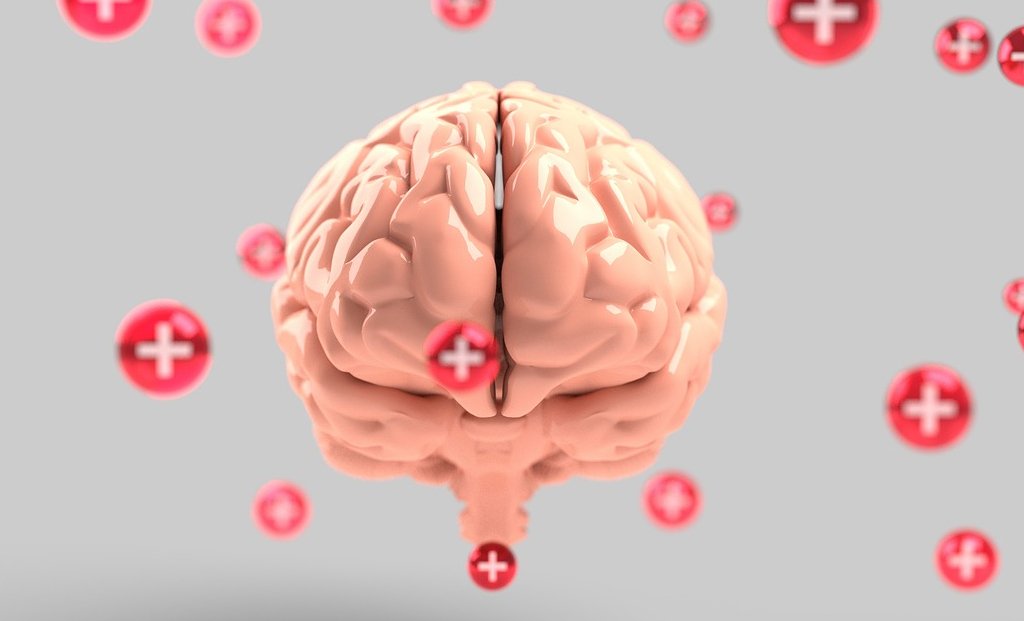
Ever have a huge scoop of ice cream and suddenly get a zinging, stabbing headache in the forehead? Ever have taken a massive slice of ice cream and suddenly get a sharp pain in the forehead or a chug of an ice-cold drink and get a head rush and stabbing in the forehead? This painful sensation is often referred to as “brain freeze” or “head buzzing. Brain freeze can be a scary but generally a harmless phenomenon that lasts only a few seconds to a minute.
Known as sphenopalatine ganglioneuralgia, this is commonly referred to as ‘Brain freeze’. To understand why it happens, you will have to know in detail what’s going around in your brain during a cold and why.
What causes brain freeze?
According to Dr. N. Varsha Monica Reddy is a Consultant Pediatric Neurologist, Child Development Center department, Yashoda Hospitals, Hyderabad ,”Brain freeze is caused by something very cold touching the roof/lining of your mouth or the back of your throat (palate). It has numerous blood vessels and nerves which are affected by changes in temperature. These tissues contract or narrow when exposed to cold food or cold drinks, which cause the body to become extremely cold. Exposure to cold food or cold drinks causes the blood vessels in these tissues to contract or narrow thus making the body extremely cold.”
“This is what we call brain freeze or stimulus headache. It is like a protection for your brain. The blood vessels changing size helps keep the blood that goes to your brain at the temperature. The pain from brain freeze is usually very bad, for a seconds and then it goes away in under a minute.”
“To make it stop you can press your tongue against the roof of your mouth drink some water or cover your mouth and nose to breathe in some warmer air. These things help make the area warm again and calm down the nerve signals. Brain freeze is not serious it is just really unpleasant,” the doctor added.
Why does the pain feel like it’s in your forehead?
The pain is associated with a large nerve in the head and face called the trigeminal nerve. It is a nerve that brings sensory input from areas of the face such as forehead, mouth and nose.
The trigeminal nerve is stimulated when anything chills the roof of the mouth suddenly. The nerve extends to several areas and so the brain may think that the pain is coming from the forehead, rather than from inside the mouth.
Who is more likely to experience brain freeze?
It can happen to anyone but some may have an increased susceptibility for it. Some people with migraine headaches might be more sensitive to brain freeze on account of this their nervous system is more sensitive to the shifts in blood flow activity.
How can you stop or prevent it?
When having brain freeze, press the roof of your mouth with your tongue. Your tongue’s heat can quickly help raise the temperature of your affected area and thus alleviate the pain.
Disclaimer: This article is for informational purposes only and is not intended as medical advice. If you experience frequent, severe, or unusual headaches, consult a qualified healthcare professional for proper evaluation and treatment.
















Leave a comment