

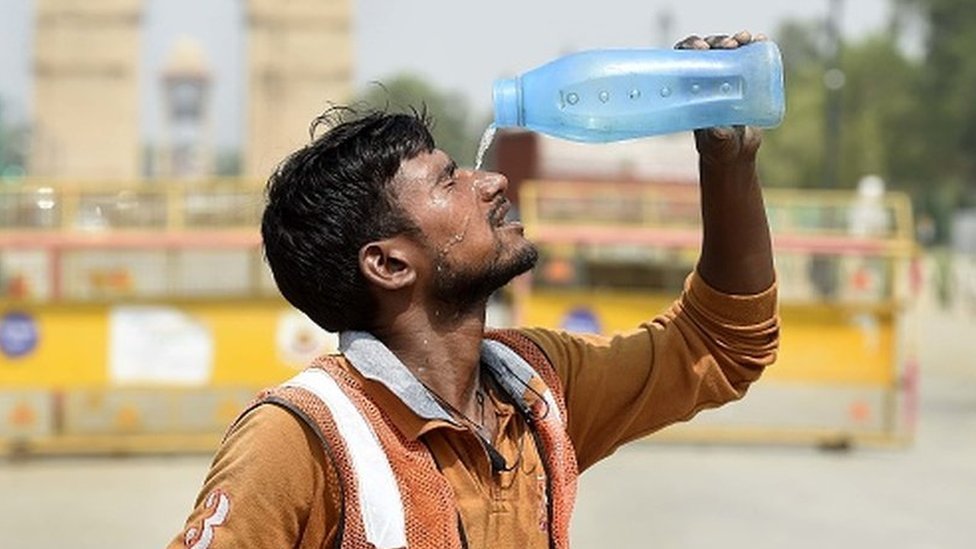
With the moderate increase in temperatures in India, the majority of the population is concentrating on being hydrated. Although dehydration is a key issue, kidney health in extreme heat is also affected by a number of other factors as well. Knowing about these risks can help avoid harm and keep your kidneys healthy in the long-term. Let us know in detail how dehydration affects kidney health.
Dehydration in summer
According to Dr Sunil Kumar, Nephrologist, CK Birla Hospitals, CMRI, “The greatest focus on dehydration is usually given in summer, but it is not the only aspect that influences kidney health. In extreme heat, there is a higher risk of eating and drinking of contaminated food and water, which may result in infections that have a direct effect on the functioning of kidneys.”
“The use of some medications is also another unseen risk. NSAIDs and certain antibiotics are pain relievers which when used in a prolonged course or without doctor guidance may overburden the kidneys. These drugs are eliminated by the kidneys and due to misuse, it may cause harm in the long run,” he added.
Workers outside are particularly in danger. A prolonged exposure to high temperatures may cause a disease known as heat stress nephropathy in which the kidneys are damaged as a result of heat stress. In other instances, people can also acquire rhabdomyolysis, which is a severe disease whereby the breakdown of muscles can cause dangerous proteins to be released into the blood which are then filtered by the kidneys.
Poor hydration of rural and agricultural populations and long-term contact with pesticides may predispose to chronic kidney disease of unknown origin, which is an emerging problem in most regions of India.
Can repeated dehydration cause lasting damage?
The frequent dehydration that is easily replaced normally does not result in any lasting damage. Nevertheless, dehydration, when it is repeated in weeks, months or years, may cause severe issues. Whenever the body is dehydrated, the blood supply to kidneys is reduced and this strains the filtering units in the kidneys.
Watch your urine for early signs
Monitoring kidney health is one of the simplest methods to do it by watching urine. Pale yellow urine is a sign that the organism is well hydrated whereas dark yellow or amber colour is a sign that body requires more fluids. Dark urine, particularly brown or cola-coloured, may be an indicator of severe dehydration or muscle destruction and must be immediately treated.
Frequency also matters. When you are not urinating for six to eight hours of the day, it could be an indication that you are not taking enough fluids. Moreover, such signs as burning whilst urinating or blood in urine cannot be overlooked and should be examined by a doctor immediately.
Disclaimer: Dear readers, this article provides general information and advice only. It is not at all professional medical advice. Therefore, always consult your doctor or a healthcare specialist for more information.















Leave a comment