

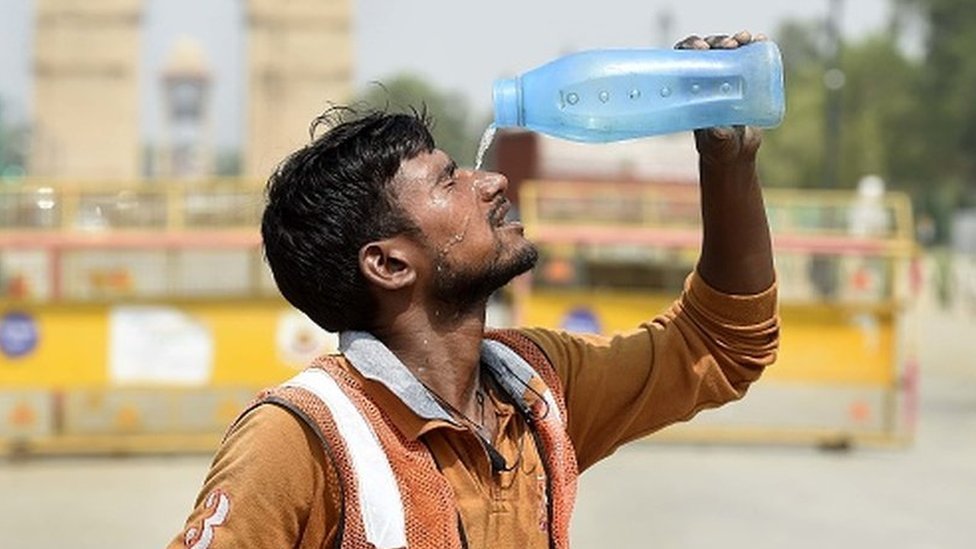
Imagine stepping out on a scorching afternoon when the temperature is close to 43°C. You sweat heavily, feel thirsty, and quickly reach for a glass of water. While most people worry about heatstroke or dehydration during such weather, very few realise that extreme heat and environmental stress can silently harm the kidneys.
On World Kidney Day, health experts are highlighting a growing concern that goes beyond diabetes and blood pressure—the impact of climate change, rising temperatures, pollution, and chronic dehydration on kidney health. Around the world, doctors are observing an increase in kidney-related illnesses linked to environmental factors that many people rarely consider.
Your kidneys are incredibly resilient organs, working around the clock to filter toxins, balance fluids, regulate blood pressure, and maintain electrolyte levels. But when the body is constantly exposed to extreme heat, polluted air, and insufficient hydration, these vital organs can gradually become overworked and damaged.
Understanding how these factors affect kidney function is the first step toward protecting your long-term health.
Why Kidneys Are Extremely Sensitive to Environmental Stress
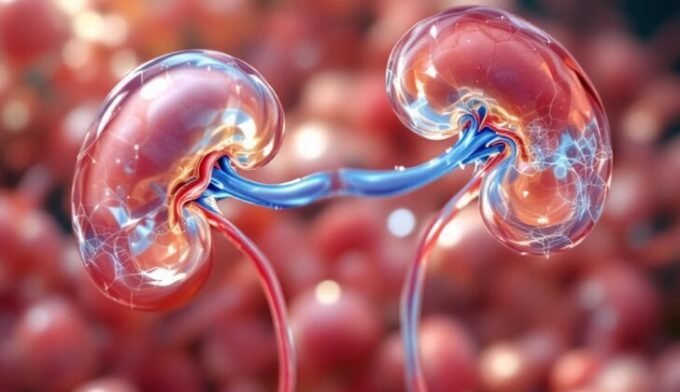
The kidneys play a crucial role in maintaining the body’s internal balance. These two bean-shaped organs filter nearly 50 gallons of blood every day, removing waste products and excess fluids through urine.
To function properly, kidneys require adequate blood flow and sufficient hydration. Any disruption in this balance—such as fluid loss, toxin exposure, or reduced circulation—can strain kidney function.
Environmental stressors like extreme heat and air pollution can affect kidney health in several ways:
- Reducing blood flow to the kidneys
- Increasing toxin accumulation in the body
- Triggering inflammation and oxidative stress
- Disrupting fluid and electrolyte balance
Over time, these factors can contribute to conditions such as Acute Kidney Injury (AKI) and Chronic Kidney Disease (CKD).
Rising Temperatures Are Increasing Kidney Stress
One of the biggest emerging threats to kidney health is extreme heat. As global temperatures continue to rise, scientists are observing a steady increase in heat-related kidney problems.
When the body is exposed to high temperatures, it tries to cool itself by sweating. While this process helps regulate body temperature, it also leads to significant fluid and electrolyte loss.
If the lost fluids are not replaced quickly, the body enters a state of dehydration. This reduces blood flow to the kidneys, making it harder for them to filter waste from the bloodstream.
Repeated exposure to extreme heat can lead to heat-related kidney injury, particularly among people who work outdoors or live in regions experiencing frequent heatwaves.
Medical experts have also identified a condition sometimes referred to as heat-stress nephropathy, a form of kidney disease believed to be linked to prolonged exposure to high temperatures and repeated dehydration.
Heatwaves and Sudden Kidney Damage
During heatwaves, hospitals often report an increase in cases of Acute Kidney Injury, a condition in which the kidneys suddenly lose their ability to filter waste from the blood.
Acute kidney injury can occur when dehydration becomes severe enough to significantly reduce blood circulation to the kidneys.
This condition can develop quickly and may lead to symptoms such as:
- Reduced urine output
- Severe fatigue
- Swelling in the legs or feet
- Confusion or difficulty concentrating
If not treated promptly, acute kidney injury can progress to long-term kidney damage.
People who are particularly vulnerable include:
- Outdoor workers such as farmers and construction labourers
- Athletes exercising in extreme heat
- Older adults
- Individuals with diabetes or high blood pressure
In some parts of the world, researchers have even observed unusual clusters of kidney disease among young agricultural workers who have no traditional risk factors. Experts believe that repeated heat exposure combined with dehydration may be a major contributing factor.
Dehydration: The Silent Threat to Kidney Health
While extreme heat is a visible risk, dehydration itself is often a hidden danger.
Many people unknowingly remain mildly dehydrated throughout the day due to busy schedules, excessive caffeine intake, or simply forgetting to drink enough water.
When the body lacks sufficient fluids, the kidneys are forced to conserve water by producing highly concentrated urine. This increases the accumulation of toxins in the bloodstream and places additional stress on kidney tissues.
Chronic dehydration can contribute to several kidney-related conditions, including:
Kidney Stones
When urine becomes concentrated, minerals such as calcium and oxalate can crystallise and form stones in the kidneys.
Urinary Tract Infections
Insufficient water intake reduces urine flow, allowing bacteria to multiply in the urinary tract.
Chronic Kidney Disease
Repeated episodes of dehydration can damage kidney tissues over time, eventually leading to **Chronic Kidney Disease.
Pollution Is Another Hidden Risk Factor
Air pollution is increasingly being linked to kidney disease.
Tiny airborne particles known as particulate matter (PM2.5) can enter the lungs and travel into the bloodstream. Once inside the body, these pollutants can trigger inflammation and oxidative stress.
The kidneys, which filter large volumes of blood every day, are particularly vulnerable to these toxins.
Long-term exposure to polluted air may lead to:
- Declining kidney function
- Increased risk of chronic kidney disease
- Higher blood pressure
- Damage to blood vessels supplying the kidneys
In addition, toxic heavy metals such as cadmium, arsenic, and mercury, which may be present in polluted environments, can accumulate in kidney tissues and interfere with their filtration capacity.
Climate Change and the Growing Kidney Health Crisis
Health researchers are increasingly recognising climate change as a major driver of kidney disease.
Rising temperatures, longer heatwaves, and worsening environmental pollution are creating conditions that place enormous stress on the kidneys.
This issue is particularly concerning in tropical and developing regions where people are more likely to experience extreme heat while having limited access to cooling systems or healthcare facilities.
Outdoor workers—including farmers, construction labourers, delivery personnel, and street vendors—are especially vulnerable because they spend long hours under direct sunlight.
Early Signs Your Kidneys May Be Under Stress
Kidney disease is often called a “silent condition” because symptoms may appear only after significant damage has occurred. However, some early warning signs may include:
- Persistent fatigue
- Swelling in the feet, ankles, or face
- Changes in urine colour or frequency
- Foamy urine
- Muscle cramps
- Difficulty concentrating
If these symptoms persist, it is important to consult a healthcare professional and undergo kidney function tests.
Simple Ways to Protect Your Kidneys
While environmental risks cannot always be avoided, certain habits can help protect kidney health.
Stay Hydrated
Drink enough water throughout the day, especially during hot weather or physical activity.
Avoid Peak Heat Hours
Try to limit outdoor activity during the hottest part of the day.
Monitor Blood Pressure and Blood Sugar
Conditions like diabetes and hypertension remain the leading causes of kidney disease.
Eat a Kidney-Friendly Diet
Reducing salt intake and eating a balanced diet rich in fruits and vegetables can help maintain kidney health.
Reduce Pollution Exposure
Avoid outdoor exercise during poor air quality days and consider using masks when pollution levels are high.
Get Regular Health Check-ups
Routine blood and urine tests can detect early signs of kidney dysfunction.
Kidney disease is no longer driven solely by lifestyle diseases. Environmental factors such as extreme heat, air pollution, and chronic dehydration are emerging as major threats to kidney health.
This World Kidney Day serves as a reminder that protecting our kidneys requires not only healthy habits but also greater awareness of the environment we live in.
As heatwaves become more frequent and pollution levels rise, simple preventive steps—such as staying hydrated, avoiding excessive heat exposure, and monitoring kidney health—can make a significant difference.
Your kidneys quietly support your body every single day. Taking care of them today could protect your health for decades to come.














Leave a comment