


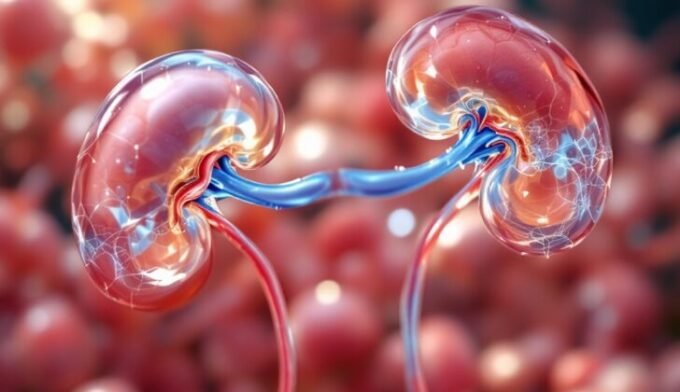
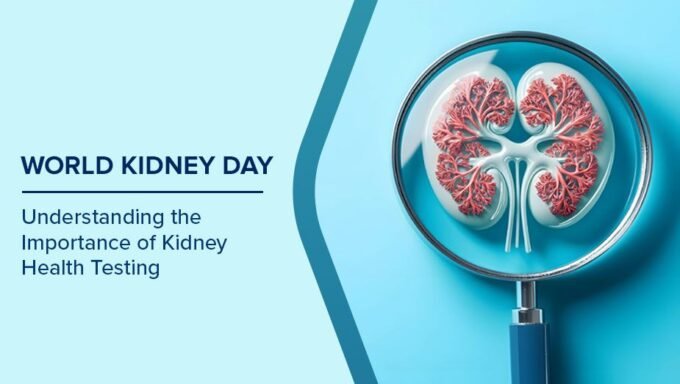
World Kidney Day is a good reminder of how crucial kidneys are in keeping the body healthy and why preserving them by following a natural lifestyle should be the priority of all people. Kidneys are small organs that are bean-shaped and are situated on both sides of the spine, but they do some of the most delicate and important work in the body. These organs are the ones that clean approximately 150 litres and 200 litres of blood every day, eliminating toxins, excess salts and metabolic waste via urine.
Besides filtration, kidneys also control blood pressure, electrolyte balance, aid in the generation of red blood cells, as well as the preservation of the bones by activating vitamin D. It is because kidney disease usually advances without any noticeable symptoms during the first stages that the preventive treatment becomes of paramount importance.
5 Natural Ways to Keep Your Kidneys Healthy
According to Dr Sagar Gupta, Director & Head, Kidney Diseases & Transplant Medicine, Asian Hospital, here are the 5 natural ways to keep your kidneys healthy:
Stay Properly Hydrated
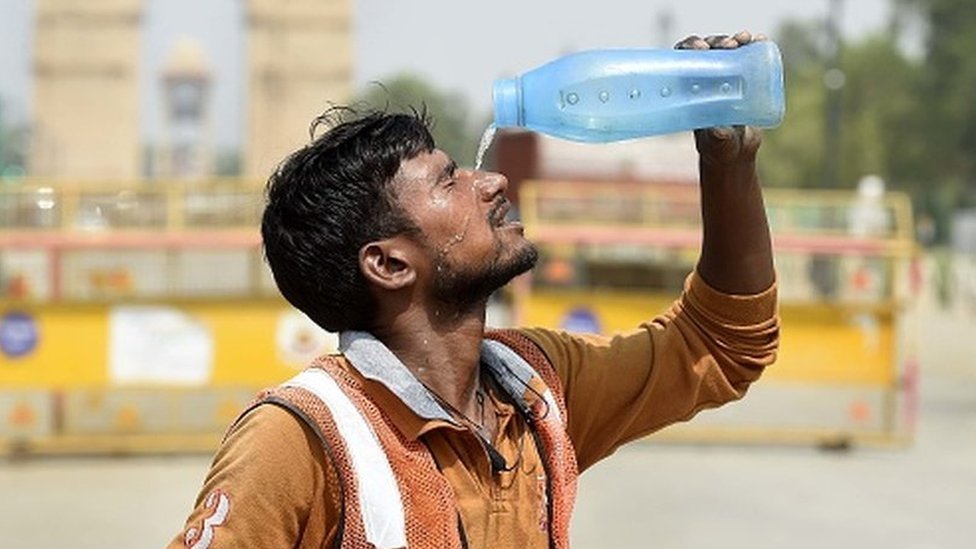
Proper hydration is one of the best means of ensuring renal wellness in a natural manner. Water is essential in flushing toxins by the kidneys and it is also important in avoiding the development of kidney stones. However, hydration is to be obtained moderately and not in excess. Consuming water during the day will contribute to the maximum filtration of kidneys and enhance excretion of waste products in the blood. Fluid intake must be slightly increased during hotter seasons or when body expenditure is high due to a loss of fluids through sweat.
Eat a Balanced Kidney-Friendly Diet
The diet is also a very crucial factor in the defense of the kidneys. Dietary balance consisting of a high proportion of fresh fruits and vegetables, whole grains and moderate levels of plant proteins can decrease the workload on the kidneys. Excessive consumption of food with sodium, processed sugars and unhealthy fats might lead to high blood pressure, obesity and diabetes, which are three risk factors most typically associated with chronic kidney disease.
Exercise Regularly to Support Kidney Function
Another important natural measure of keeping the kidneys healthy is regular exercise. Moderate exercise is good to enhance the blood circulation, maintain the weight, and prevent occurrence of lifestyle diseases including type 2 diabetes and hypertension. The two are the most common causes of kidney damage in the world. Even such simple processes like brisk walking, bicycling, or yoga activity of 30 minutes a day can help improve metabolic well-being and decrease the load on the kidneys.
Avoid Overuse of Medicines and Harmful Substances
One more significant kidney care concern is the prevention of the unreasonable use of medications and harmful substances. Excessive consumption of some analgesics especially non-steroidal anti-inflammatory drugs may slowly degrade kidney tissues when taken regularly without the supervision of the medical personnel. On the same note, smoking and heavy drinking may affect the circulation of blood to the kidney and hasten the destruction of kidney with time.
Regular Health Check-Ups are Important
Regular check ups are also very important in the prevention and early detection of kidney disease. Easy examinations like urine analysis, blood creatinine, and blood pressure check can indicate early warning signs before it is too late. Patients who are diabetic, hypertensive, or have a family history of kidney disease or are obese must be particularly observant and screen themselves regularly.
Disclaimer: Dear readers, this article provides general information and advice only. It is not at all professional medical advice. Therefore, always consult your doctor or a healthcare specialist for more information.












Leave a comment