

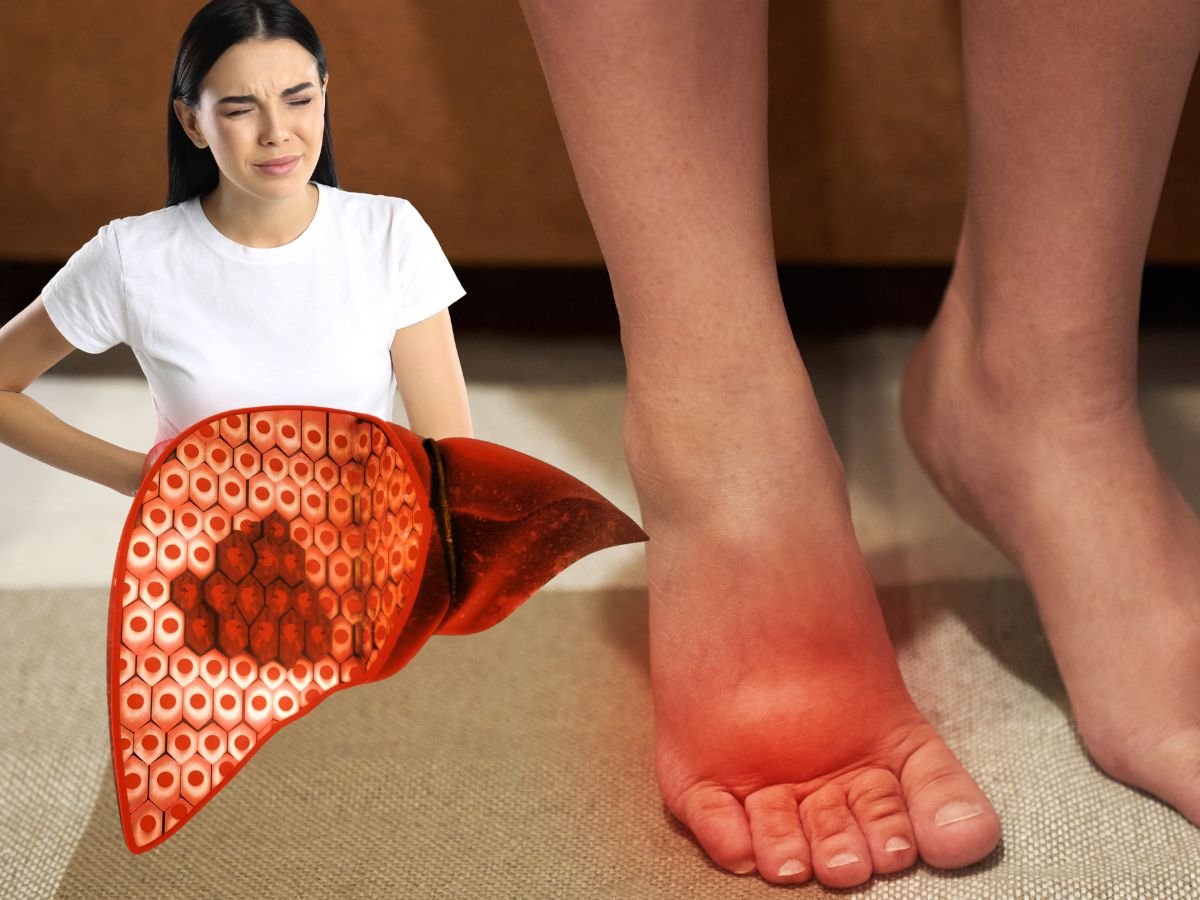
Over the years, liver disease has been attributed by doctors primarily to such factors as obesity, poor diets, and alcohol consumption. Almost every second patient we see has some degree of fatty liver. Many people do not even know they have it because it shows very few symptoms in the early stage. That is why it is called a silent disease. Although these are still among the significant causes, emerging studies are indicating a shocking and less noticeable threat – microplastics.
How do microplastics enter the body?
According to Dr Amit Miglani, Director & HOD, Gastroenterology, Asian Hospital, Faridabad, “In our day-to-day lives most people are unaware of it but are exposed to microplastics on a daily basis. They may get into the body in three primary ways namely by eating food, by drinking water or even by breathing polluted air. When these particles are introduced into the body, they are minute enough to be carried by the blood in the body to other body parts.”
Why is the liver at risk?
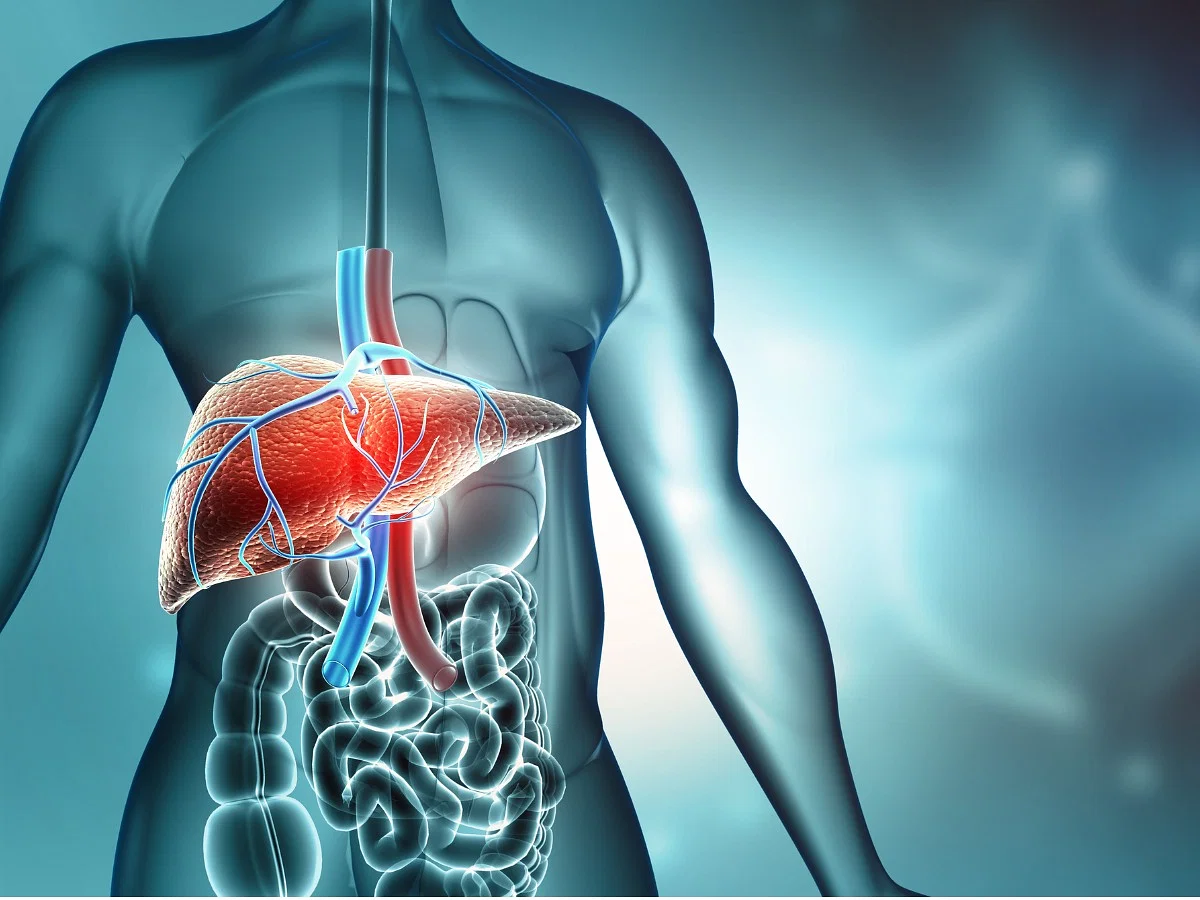
Liver is essential in the process of filtering undesirable substances in the body. It digests all our food and beverage and, therefore, it is particularly susceptible to toxins, such as microplastics. When these small plastic particles get to the liver, they do not just go through. On the contrary, they may become stuck. This accumulation can eventually begin to impact the processes of the liver.
What damage can microplastics cause?
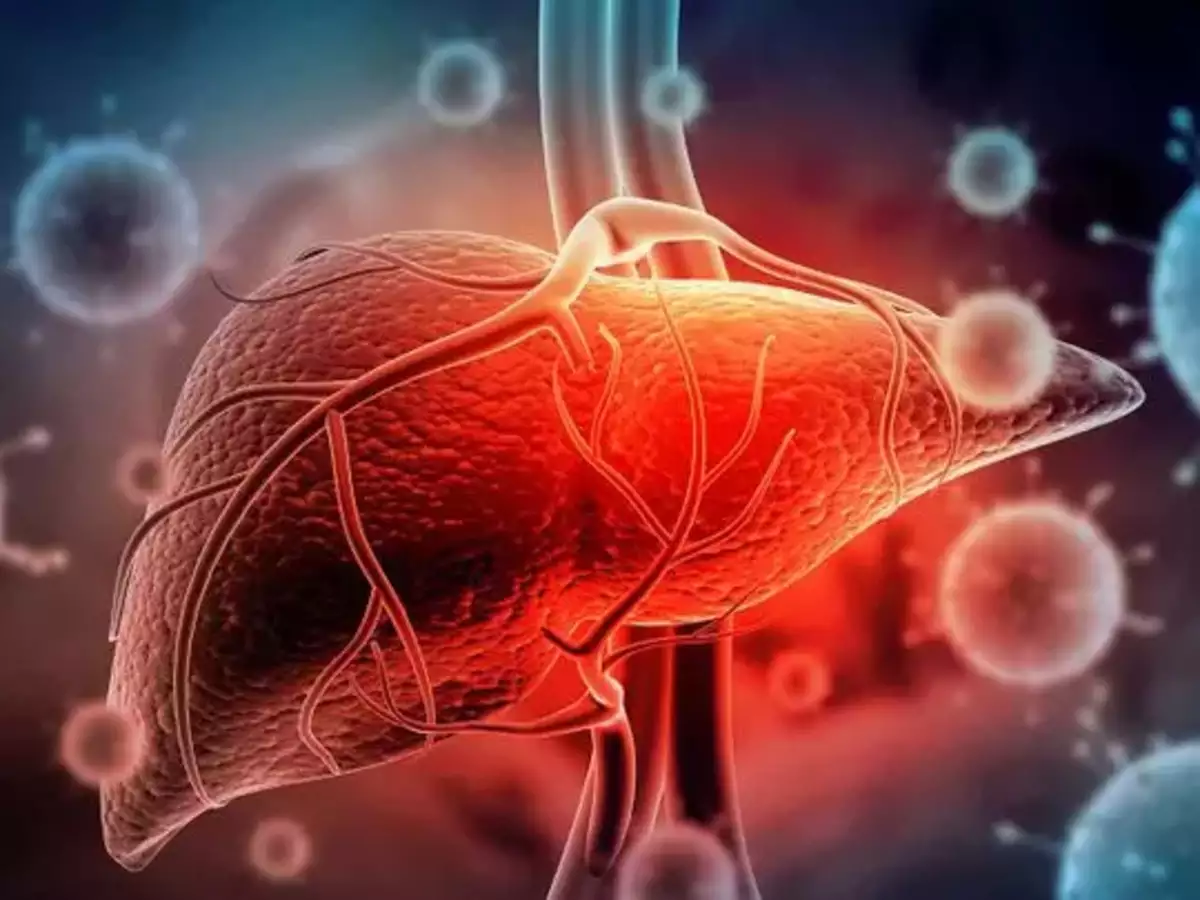
Dr Amit explains that microplastics may cause what is known as oxidative stress. Simply put, this is equivalent to rust within the body. It destroys normal cells and complicates the functioning of organs. Oxidative stress in the liver may result in inflammation. In case of a prolonged inflammation, it can result in the emergence of serious diseases, fatty liver disease, liver fibrosis, or even liver failure in severe cases.
It is essential to realise that microplastic and liver health studies are in their infancy. Lab studies and human research have provided strong evidence that these particles may damage cells, according to scientists. However, they are yet to determine the extent to which microplastics contribute to risk factors.
What can you do to reduce exposure?
Although you can never avoid microplastics, you can reduce your exposure to them:
- Use glass or steel containers as opposed to plastic.
- Do not heat food in plastics.
- Use filtered water where possible.
- Minimise the use of single-use plastics.
- Select natural materials instead of synthetic materials.
The introduction of the concept that microplastics may be impacting liver health indicates that the topic of environmental and population health is gaining momentum. What used to be considered as mere pollution is being connected with actual health hazards.
With the ongoing research, it is one thing that is now becoming apparent that environmental care might also be instrumental in the safeguarding of our bodies. In addition to a healthy lifestyle, being conscious of daily plastic consumption may make a little but significant contribution to decreasing health risks in the future.
The content above is only for informational purposes. It is not at all professional medical advice. Always consult your doctor or a healthcare specialist for any questions regarding your health or a medical condition.













Leave a comment