Home Health News Gastroenterology Liver Health: Excessive energy drink consumption among youth may be silently damaging liver, warns expert
Gastroenterology

Liver Health: Excessive energy drink consumption among youth may be silently damaging liver, warns expert

Share
Share

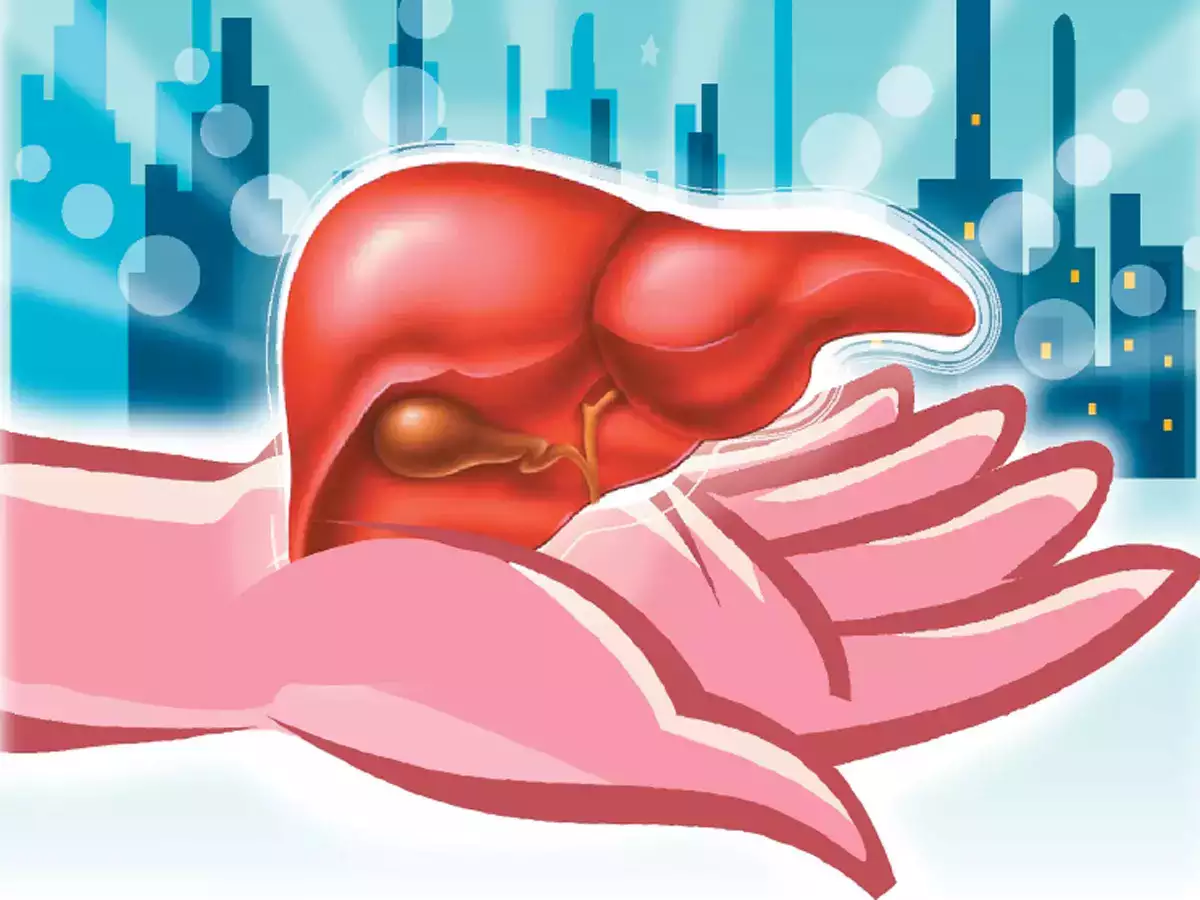
World Liver Day is observed on April 19 every year. Liver specialists in India have expressed concerns over the increasing health threat among the youths, which is excessive consumption of energy drinks. It may be silently damaging the liver, doctors warn, as many believe the remedy for fatigue and long work or study hours.

Increase in early liver issues among youth

In recent years, doctors have observed a gradual increase in the number of young patients with early signs of liver problems. A lot of these instances are connected to the common use of energy drinks that are massively promoted as performance enhancers. However, analysts warn that these drinks usually have a lot of caffeine, sugar and additives which may overstrain the liver.

How energy drinks impact liver function?

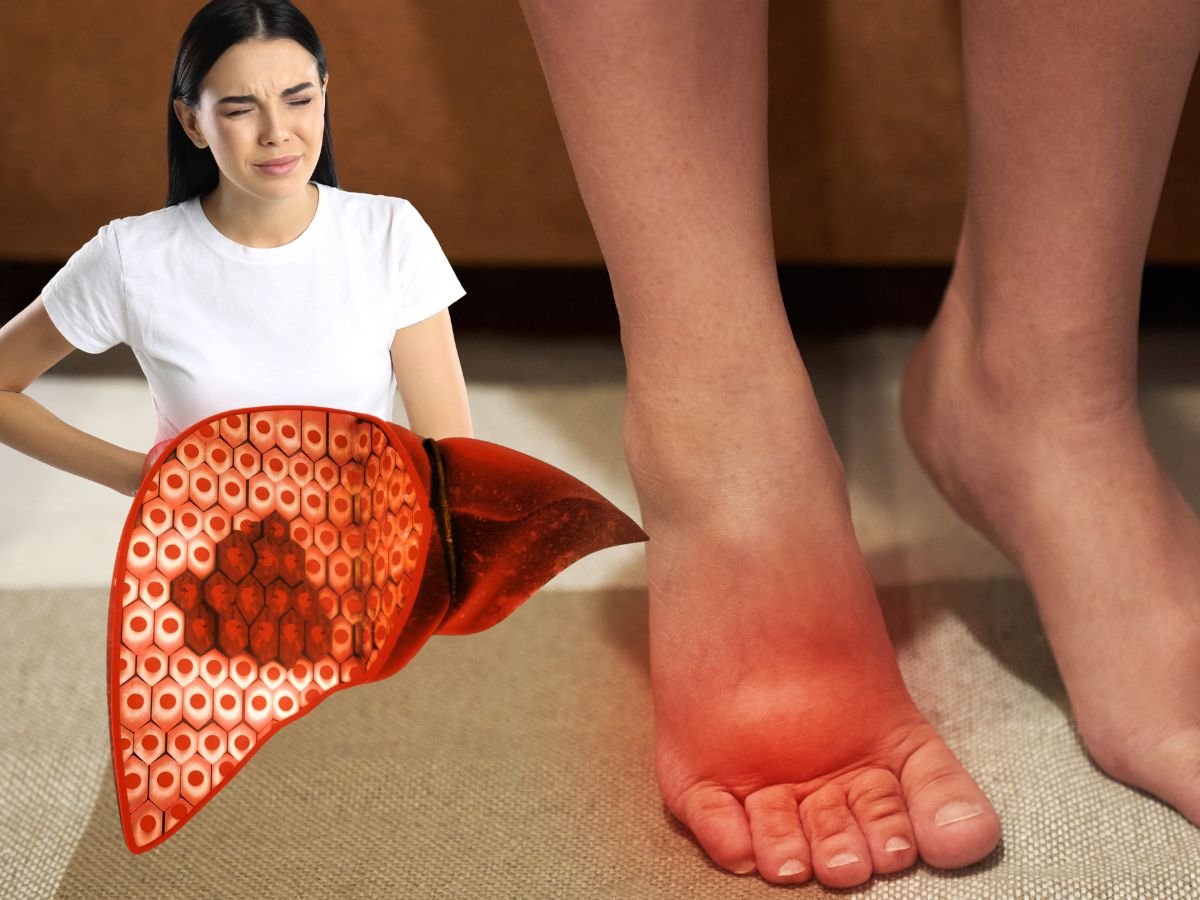
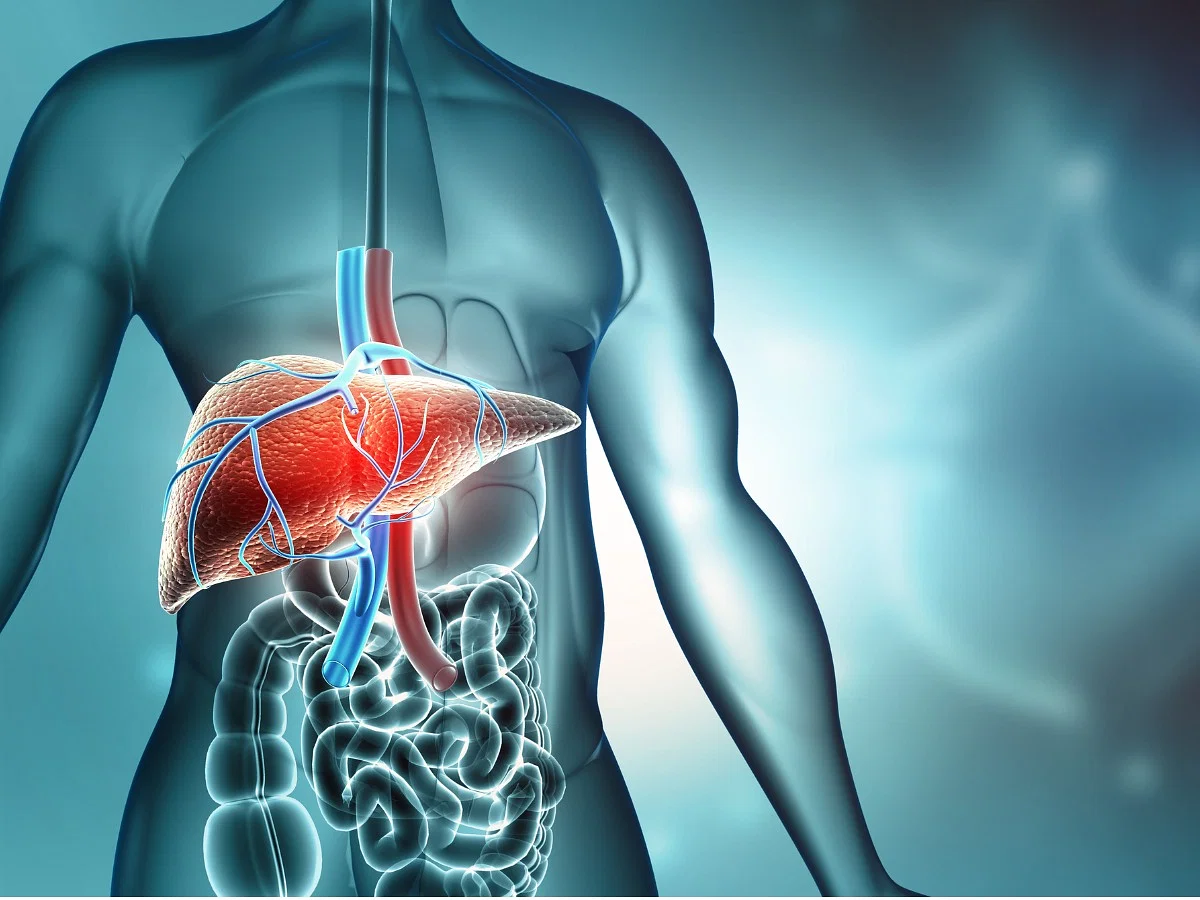
According to Dr Ajith K Nair, Senior Consultant & Group Coordinator, Department of Gastroenterology, KIMSHEALTH, Thiruvananthapuram, “Liver is important in the breakdown of toxins and regulating metabolism. It might not be able to work correctly when it is too full of stuff such as too much caffeine and artificial additives. In the long term, it may cause inflammation, fat buildup, and even liver damage in case of an uncontrolled habit.

These are medically proven issues. Another case that was published by BMJ Case Reports pointed to an example of acute hepatitis in a healthy person in the past, and this was as a result of excessive use of energy drinks. Researchers pointed to high levels of niacin (Vitamin B3) as a key factor. Though niacin is a necessary mineral in small quantities, its large doses are liver-toxic.

There is also an observation by experts that most youths do not understand the cumulative effect of such drinks. Not only can one do it, but the frequent consumption of weeks or months that raises the risk. When this is combined with other lifestyle influences like poor diet, lack of sleep and stress, the effects can be even worse.

Why teenagers and young adults are at higher risk?

Energy drinks are of special concern to doctors among teenagers and young adults who use these energy drinks to manage academic stress, excessive screen time or busy schedules. The ready accessibility and intensive advertisement of such drinks is also a cause of excessive consumption.

Prevention tips

Moderation and awareness are among the recommended measures in prevention by health professionals. Young people should be advised to maintain healthy lifestyles instead of relying on energy drinks, it is best to ensure that they remain hydrated, as well as ensuring that they eat healthy balanced diets and sleep well. Healthy substitutes such as fresh fruit juices, coconut water and moderate exercise can give long-lasting energy without damaging the organism.

Role of parents and educators in awareness

The professionals also encourage parents and educators to actively contribute to raising awareness of possible risks of energy drinks. Label reading, knowledge of ingredient content and reducing consumption can go a long way in safeguarding liver health.

Disclaimer: Dear readers, this article provides general information and advice only. It is not at all professional medical advice. Therefore, always consult your doctor or a healthcare specialist for more information.


Share
Written by
Swapna Karmakar

Swapna Karmakar is an experienced Health Journalist and the Editorial Lead at Healthwire Media. She has a background in investigative reporting and a deep interest in community health and regulatory updates within the medical sector. Swapna focuses on bridging the gap between healthcare providers and patients by crafting narratives that simplify medical terminology without losing clinical depth. Her research process involves analyzing peer-reviewed journals and official regulatory notifications from bodies like the National Medical Commission (NMC) to provide timely news to both healthcare professionals and the general public. Swapna’s work is characterized by a commitment to transparency and evidence-based reporting. Outside of health reporting, she is an avid traveler and explorer of cultural landscapes. 

Leave a comment

Leave a Reply

Your email address will not be published. Required fields are marked *

Don't Miss

Parkinson's Disease
Neurology

World Parkinson’s Day 2026: How Parkinson’s disease silently affects heart health and raises risk of blood pressure

World Parkinson’s Day is celebrated on April 11 every year to raise awareness about Parkinson’s disease. Although majority of individuals consider Parkinson as...

HPV Vaccine
Health News

Who needs HPV vaccine? Expert answers amid India’s immunization push

India is making more efforts to prevent cervical cancer by increasing vaccination against the human papillomavirus (HPV) which is a widespread infection that...

Health News

AI in Ayushman Bharat: How smarter, faster claim processing could transform healthcare access in India

Artificial Intelligence (AI) is slowly transforming the way healthcare works in India. This could be the change that brings a significant difference to...

Lifestyle & Wellness

Uric Acid Crystals in Urine: Symptoms, Causes, Risks, and Prevention

Uric acid problems are increasingly common today. This issue is no longer limited to older adults—many young people are also experiencing high uric...

Menstruation
Obstetrics & Gynecology

Period Panties Guide: Are They Safe, How They Work, and How They Compare to Other Menstrual Products

Period panties are increasingly becoming popular. Once considered a niche product, they have now entered the mainstream—easily found on drugstore shelves and frequently...

Section title

Related Articles
Gastroenterology

World IBS Day 2026: How Stress Silently Triggers and Worsens Irritable Bowel Syndrome Symptoms

Irritable Bowel Syndrome (IBS) is a widespread gastrointestinal condition which usually remains...

Gastroenterology

Lancet Study Warns: 3 Biggest Risk Factors Driving Liver Disease Surge to 1.8 Billion by 2050

A major global health warning has emerged from a recent study published...

Gastroenterology

Fatty Liver Crisis? MASLD Cases Up 143% Globally—Experts Share Key Prevention Strategies

Another disturbing health trend has emerged as the number of cases of...

Gastroenterology

World Liver Day 2026: 10 simple habits to reverse fatty liver

Fatty liver is silently gaining popularity as one of the most prevalent...