

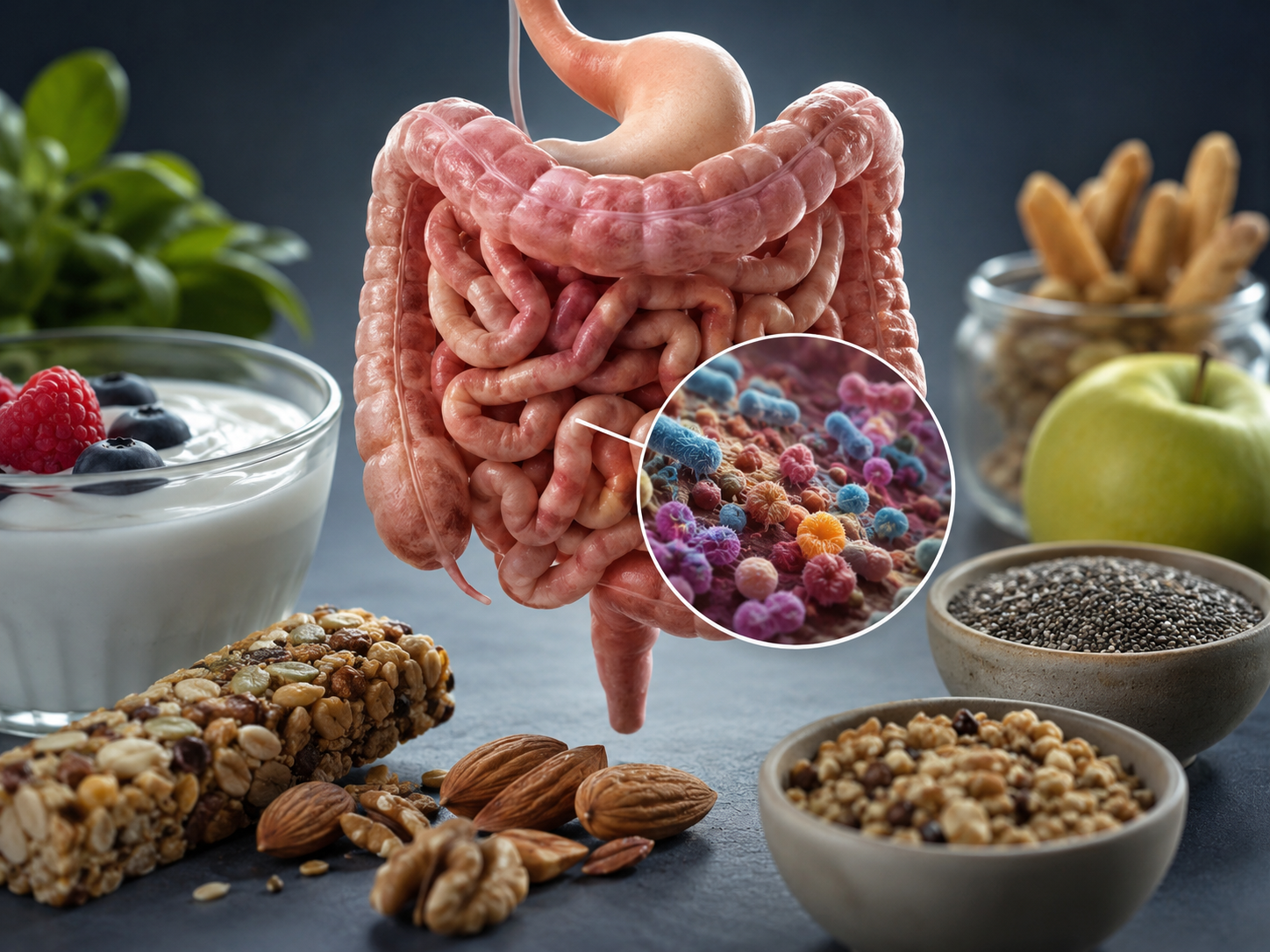
A lot of people try to lose weight or stay fit and ‘DIET’ snacks are marketed as a healthier option. They are usually marketed as low calorie, low fat, sugar free or high fiber products. But Dr. Narendra K Shetty, Chief Wellness Officer, Kshemavana Naturopathy and Yoga Centre says that these “healthy” snacks can sometimes cause more bloating, gas and abdominal discomfort as compared to regular foods. The doctor says that many of the ingredients that are used in diet snacks are fermentable and are not well absorbed by the body which may have a negative impact on digestion.
Causes of bloating and gas
Sugar alcohols and polyols like sorbitol, mannitol and xylitol which are often used in sugar-free chewing gum, protein bars and biscuits are among the big offenders when it comes to digestive problems. Dr. Shetty says that these compounds are partly digested in the small intestine. The rest makes its way to the colon where normal flora bacteria break them down and generate gases such as hydrogen, methane and carbon dioxide.
He further added that the fermentation process also results in bloating, excessive gas and abdominal discomfort as well as pulling water into the intestine that causes loose stools and abdominal distention. Another factor is FODMAP carbohydrates which are quite common in snacks available in the form of chicory root, inulin, fructooligosaccharides (FOS) and dried fruit concentrates.
These ingredients ferment quickly in the gut and increase water content in the gut aggravating bloating symptoms. A study from Monash University found fermentable carbs raised the levels of intestinal gas and water particularly for people who are more sensitive to them or suffer from irritable bowel syndrome (IBS).
High fiber additives and emulsifiers
Added fibers like inulin, guar gum and resistant starch are also added to many “healthy” snacks to increase their nutritional benefit. Moderate amounts are good but excessive amounts may cause excessive gas production. Dr. Shetty also mentioned that certain ingredients are used in “diet snacks” to make them more appealing to taste, improve texture and shelf life such as emulsifiers and thickeners like Carboxymethylcellulose (CMC) and polysorbate-80. Some recent research indicates that these additives not only change the composition of the gut microbiome but also make the gut more sensitive which could exaberate digestive issues.

Foods that can cause bloating
According to Dr. Shetty sugar free candies, chewing gum containing sorbitol or xylitol, protein bars with chicory root fiber, low calorie ice cream with erythritol and guar gum and high-fibre crackers with resistant starch and carbonated diet drinks sweetened with artificial sweeteners are among the more common food items which may cause bloating.
Tips to avoid getting bloated
Dr. Shetty says that to avoid digestive discomfort one should try to avoid the trigger ingredients like sorbitol, mannitol, xylitol and inulin in packaged snacks. He also suggests switching to low-FODMAP foods, drinking plenty of water and eating foods with probiotics to help maintain gut health. He added that anyone looking for a diet snack should avoid the ultraprocessed items as they tend to be more likely to lead to bloating. You can instead opt for whole foods such as fresh fruits, plain yogurt and nuts.
The specialist also said that people may react differently to these ingredients and not everyone is affected in the same way. Those suffering from IBS or any other chronic stomach ailments should consult with a medical professional before making major changes to their diet.
(World Digestive Health Day is observed every year on 29 May to raise awareness about digestive health.)
Disclaimer: This article is for informational purposes only and is not medical advice. Consult a qualified healthcare professional before making dietary changes or treating digestive symptoms independently.
















Leave a comment