

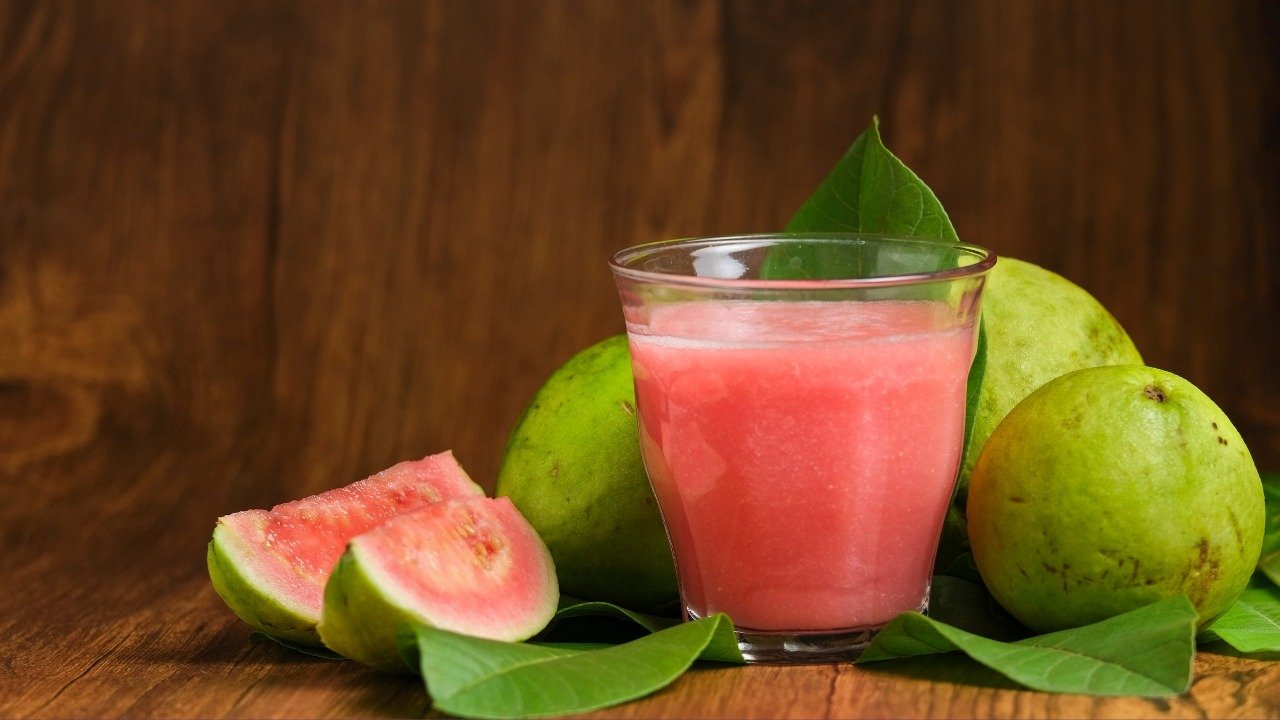
Regular consumption of guava juice could be an easy and cost effective measure to reduce the risk of developing anaemia among adolescent girls and women in low and middle income countries. A study published in the journal BMJ Nutrition Prevention and Health found that guava juice combined with an iron supplement seemed to be more effective in improving haemoglobin concentration than an iron supplement alone. The findings indicate that guava juice could be a valuable supplement to nutritional interventions for preventing iron deficiency anaemia in areas where the medical condition is still prevalent.
What is IDA?
Iron deficiency anaemia is a major nutritional problem across the globe particularly in pregnant women and adolescent girls. If untreated the condition can cause pregnancy complications, poor concentration, dizziness, weakness and fatigue.
Why guava juice may help
Guava naturally contains a high amount of vitamin C which is essential for the body to absorb iron that is derived from plants. Scientists say that guava can have four times as much vitamin C per 100 g compared to oranges. It is a nutrient-rich fruit containing vitamin A, folate, dietary fibre and small quantities of iron including vitamin C.
Researchers claim in the study that several small studies in Indonesia also indicated guava juice could be beneficial for improving haemoglobin level but evidence has never been examined collectively in a thorough study before.
Review analysed 17 studies
The researchers analysed studies published in English from 2000 to the present to get a better sense of how guava juice may be used to prevent anaemia. They found 17 studies they judged were eligible including 15 quasi-experimental and 2 randomized controlled trials. Of the studies six were on adolescent girls and 11 were on pregnant women. The majority of studies included guava juice in combination with an iron supplement.
After analysing the results of 12 different studies which included 235 women and adolescent girls, a team of scientists found that people who consumed guava juice experienced an average increase of haemoglobin levels of 1.71 g/dl. Additionally the average rise in g/dl in teenagers was 1.52 and the average rise in g/dl was 1.84 in pregnant women when analysed separately.
1/
Patients with iron deficiency anemia generally dislike taking oral iron (nausea, constipation) and often stop taking iron tablets.Does the way we prescribe ferrous sulfate contribute to this?
Read on to find out. pic.twitter.com/7zPGy7UPt0— Arjun Gupta (@guptaarjun90) September 9, 2018
Guava juice and iron supplements
Five studies divided into two groups with 102 participants were compared for taking iron supplements to women taking iron supplements plus guava juice. The results indicated that haemoglobin levels after the combination approach increased on average by 1.29 g/dl more than after taking iron alone. The researchers said that a rise of 1 to 2 g/dl could move the person from a mild or moderate anaemia to a non-anaemic status which could result in better performance in areas such as fatigue, cognition and productivity.
Although the results were encouraging the researchers identified some flaws. The team noted no studies were conducted outside of Indonesia and significant differences in study design, guava type, dosage, intervention duration and participant characteristics were found. They also warned that most evidence was derived from quasi-experimental studies and not from more rigorous randomized clinical trials. Despite the limitation researchers think guava juice might prove to be a viable and affordable food-based intervention to limit mild to moderate anaemia.
Disclaimer: Research on guava juice and iron absorption is still developing. It should not replace medical advice, prescribed supplements or treatment for iron deficiency conditions.














Leave a comment