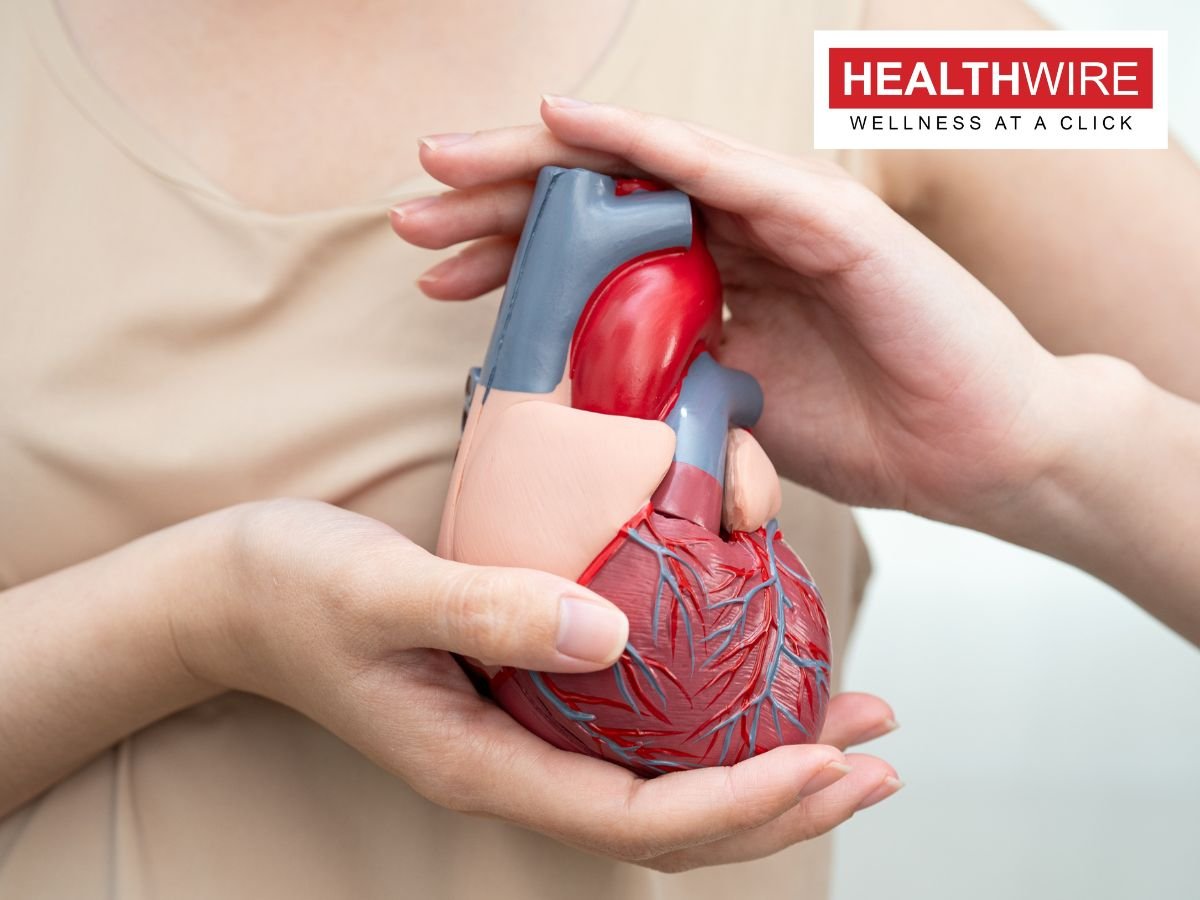
New Delhi, 06 January, 2026: Heart attacks are not just a year-round concern—they spike significantly during winter. Multiple studies have shown that cold weather increases the risk of cardiac emergencies, particularly among older adults and people with existing heart conditions. From sudden drops in temperature to lifestyle changes during winter, several factors combine to put extra strain on the heart.
How Cold Weather Affects the Heart
When temperatures fall, the body works harder to maintain warmth. Blood vessels constrict in response to cold, a process known as vasoconstriction. This narrowing of blood vessels increases blood pressure and forces the heart to pump harder to circulate blood. For people with narrowed arteries or underlying heart disease, this added pressure can trigger a heart attack.
Cold weather also makes blood thicker and more prone to clotting. Increased clot formation can block coronary arteries, cutting off blood supply to the heart and causing a cardiac event.
Drop in Physical Activity and Lifestyle Changes
Winter often leads to reduced physical activity. People tend to stay indoors, exercise less, and adopt sedentary routines. Lack of movement contributes to weight gain, higher cholesterol levels, and poor blood circulation—all of which increase the risk of heart attacks.
Dietary habits also change during winter. High-calorie comfort foods, excess salt intake, and festive indulgences can raise blood pressure and cholesterol levels, putting additional stress on the heart.
Respiratory infections such as flu, pneumonia, and COVID-19 are more common in winter. These infections can trigger inflammation in the body, increase heart rate, and destabilise existing heart conditions. Studies suggest that flu infections significantly raise the risk of heart attacks, especially within the first week of illness.
Early Warning Signs to Watch For
Winter heart attacks may present with classic symptoms such as chest pain, shortness of breath, sweating, and nausea. However, symptoms can be subtle, especially in women, elderly individuals, and people with diabetes. Warning signs may include unexplained fatigue, jaw pain, back pain, dizziness, or sudden breathlessness. Ignoring these symptoms can delay life-saving treatment.
Who Is Most at Risk?
People over 60, those with hypertension, diabetes, high cholesterol, obesity, or a history of heart disease face higher winter cardiac risk. Smokers and individuals exposed to high air pollution levels are also more vulnerable, as pollution further inflames blood vessels and reduces oxygen supply to the heart.
How to Protect Your Heart in Winter
Simple precautions can significantly reduce risk. Dress warmly to prevent sudden exposure to cold. Stay physically active indoors through yoga, stretching, or light exercises. Maintain a heart-friendly diet, limit salt and saturated fats, and stay hydrated. Do not skip prescribed medications, and monitor blood pressure regularly. Getting vaccinated against flu can also lower the risk of infection-related heart complications.
Cold weather places unique stress on the cardiovascular system, making winter a high-risk season for heart attacks. Understanding the triggers and taking preventive steps can help protect your heart and reduce the chances of a cardiac emergency during the colder months.
follow HealthWireMedia.com for such interesting information about your health and wellbeing.