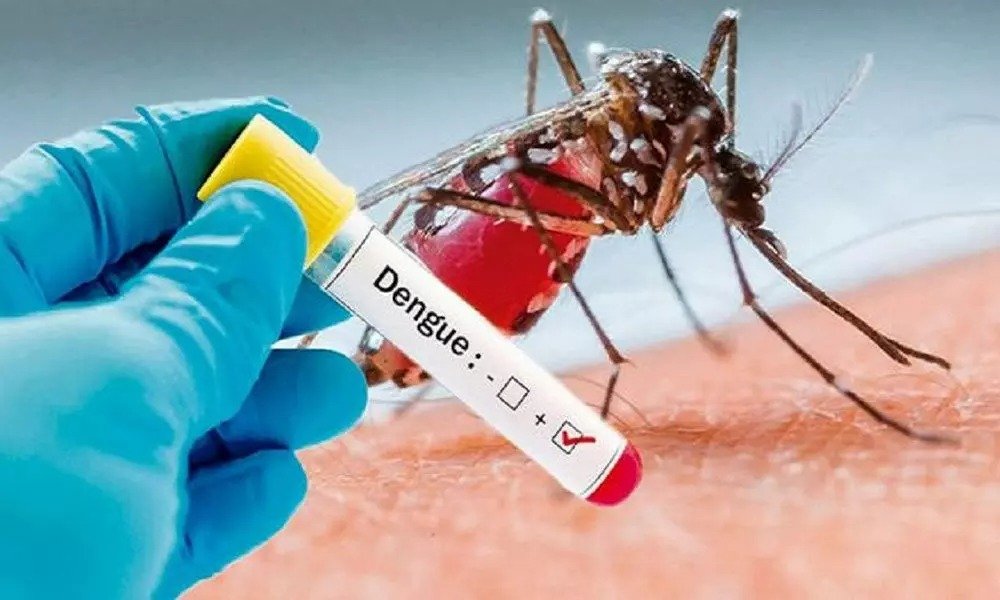
Dengue is a mosquito-borne viral infection that continues to be a major public health concern in India. With seasonal outbreaks, particularly during the monsoon and post-monsoon months, understanding early symptoms and preventive measures is essential to reduce severe illness and save lives.
What Is Dengue?
Dengue is caused by the dengue virus, which has four distinct serotypes. It is primarily transmitted by the Aedes aegypti mosquito, which breeds in stagnant water. While most infections are mild, severe dengue can cause bleeding, organ damage, and even death if not managed promptly. Early detection is critical to prevent complications.
Early Symptoms of Dengue
The early signs of dengue often resemble a common viral infection, making it easy to overlook. Key symptoms include:
- Sudden high fever: Often reaching up to 104°F (40°C)
- Severe headache: Typically concentrated behind the eyes
- Muscle and joint pain: Sometimes referred to as “breakbone fever”
- Fatigue and weakness: Persistent tiredness even with rest
- Nausea, vomiting, or loss of appetite
- Rash: A red or blotchy skin rash may appear 2–5 days after fever onset
- Mild bleeding: Nosebleeds, gum bleeding, or easy bruising in some cases
Severe dengue is characterised by persistent vomiting, abdominal pain, rapid breathing, bleeding, or lethargy. Anyone showing these signs should seek medical attention immediately.
Risk Factors
Certain groups are at higher risk of developing severe dengue:
- Children and older adults
- Individuals with chronic medical conditions such as diabetes or heart disease
- People with previous dengue infections (secondary infections can be more severe)
Awareness of these risk factors helps identify individuals who need closer monitoring.
How Dengue Spreads
Dengue is not transmitted directly from person to person. Instead, the virus spreads when Aedes mosquitoes bite an infected person and then bite someone else. These mosquitoes are most active during early morning and late afternoon. They thrive in stagnant water found in flower pots, containers, gutters, and discarded items.
Prevention Strategies
Preventing dengue focuses on reducing mosquito exposure and controlling breeding sites:
- Eliminate stagnant water: Empty containers, clean water tanks, and cover stored water.
- Use protective clothing: Wear full sleeves and long pants, especially during peak mosquito activity.
- Mosquito repellents: Apply approved repellents on exposed skin and use mosquito nets while sleeping.
- Indoor protection: Install screens on windows and doors; use insecticide sprays if necessary.
- Community action: Participate in local mosquito control drives and educate neighbours about prevention.
Following these strategies can significantly reduce the risk of infection during outbreaks.
Treatment and Supportive Care
There is no specific antiviral treatment for dengue. Management focuses on:
- Hydration: Drink plenty of fluids to prevent dehydration
- Fever and pain relief: Use paracetamol; avoid NSAIDs like ibuprofen, which can increase bleeding risk
- Medical monitoring: Severe cases require hospitalization for intravenous fluids and monitoring of platelet counts
Early intervention and proper supportive care are key to recovery.
When to Seek Medical Attention
Seek immediate medical care if:
- Fever persists for more than 2–3 days without improvement
- Signs of bleeding, severe abdominal pain, or lethargy appear
- Vomiting is frequent or fluids cannot be retained
- There are warning signs of severe dengue, such as rapid heartbeat or difficulty breathing
Prompt medical attention can prevent complications and save lives.
Dengue remains a significant health challenge in India, particularly during monsoon seasons. Recognising early symptoms, practising effective preventive measures, and seeking timely medical care are the most effective ways to protect yourself and your family. By staying vigilant and proactive, individuals and communities can reduce the burden of dengue and prevent severe outcomes.