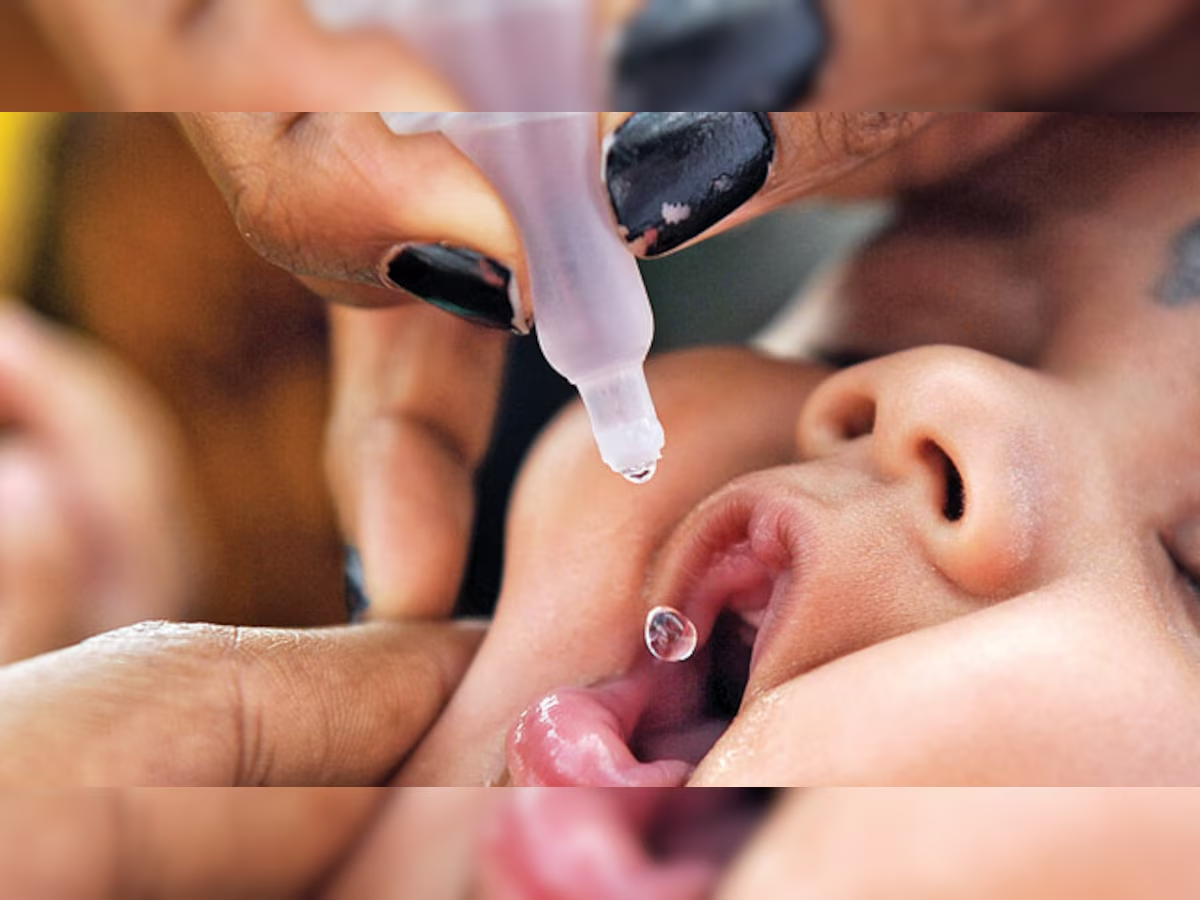
India has renewed its efforts to protect children against poliovirus with the launch of the Intensified Pulse Polio Immunisation Programme 2026. The initiative aims to strengthen routine immunisation, improve vaccination coverage and ensure that every eligible child receives protection against polio.
Polio is a highly infectious viral disease that primarily affects children under five years of age. It can invade the nervous system and cause permanent paralysis, particularly when it affects the muscles responsible for breathing. Although India was declared polio-free in 2014, continued immunisation remains essential to prevent the virus from re-entering the country.
The programme highlights the importance of reaching children in vulnerable communities, particularly those living in areas with limited healthcare access, migrant settlements and densely populated localities.
Who Is Eligible For Polio Vaccination?
Every child from birth up to five years of age is eligible to receive oral polio vaccine (OPV) during Pulse Polio campaigns.
Parents should remember the following:
- Vaccination is necessary even if the child has received previous doses: Children should receive polio drops during every scheduled campaign, regardless of their previous vaccination history.
- Newborn babies are also eligible: Even very young infants should receive the vaccine.
- Vaccination is free: Polio drops are administered at designated government immunisation booths.
- Missed children can be covered: Healthcare workers conduct follow-up visits to reach children who could not attend vaccination booths.
What Is The Latest Update On The Pulse Polio Programme 2026?
The latest state-level launch was reported from Kakching district in Manipur on November 22, 2026.
According to reports, the programme targets 2,13,432 children aged 0–5 years across 13 districts of Manipur. Authorities have established 2,134 immunisation booths and deployed 8,536 vaccinators and 427 supervisors.
In Kakching district alone, the campaign aims to cover 10,702 children through 135 vaccination booths. Following the booth-based vaccination drive, healthcare workers are scheduled to conduct house-to-house visits on November 23 and 24 to reach children who may have missed their doses. Need24 News
Why Does India Continue Pulse Polio Campaigns Despite Being Polio-Free?
India was officially certified polio-free by the World Health Organization (WHO) on March 27, 2014. The country reported its last case of wild poliovirus in January 2011 in Howrah, West Bengal.
However, remaining polio-free requires continuous surveillance and high vaccination coverage.
Wild poliovirus transmission continues in Afghanistan and Pakistan. International travel and population movement can create opportunities for the virus to cross borders. If it enters a community where vaccination coverage is inadequate, it can spread rapidly.
According to India’s Ministry of Health and Family Welfare, the National Immunisation Day campaign reaches more than 160 million children during each round. Ministry of Health and Family Welfare+1
What Are The Symptoms Of Polio?
Polio infection does not always produce noticeable symptoms. However, some children may experience:
- Fever and fatigue
- Headache
- Nausea and vomiting
- Muscle pain and weakness
- Stiffness in the neck
- Sudden weakness or paralysis of the limbs
Severe cases can affect the muscles involved in breathing and become life-threatening. There is no cure for paralytic polio, making vaccination the most effective way to prevent the disease.
The bottom line: India’s continued Pulse Polio immunisation efforts underline an important public health message: being polio-free does not mean the threat has disappeared. Every eligible child must receive the recommended vaccine doses to maintain protection and prevent the re-emergence of this disabling disease.