

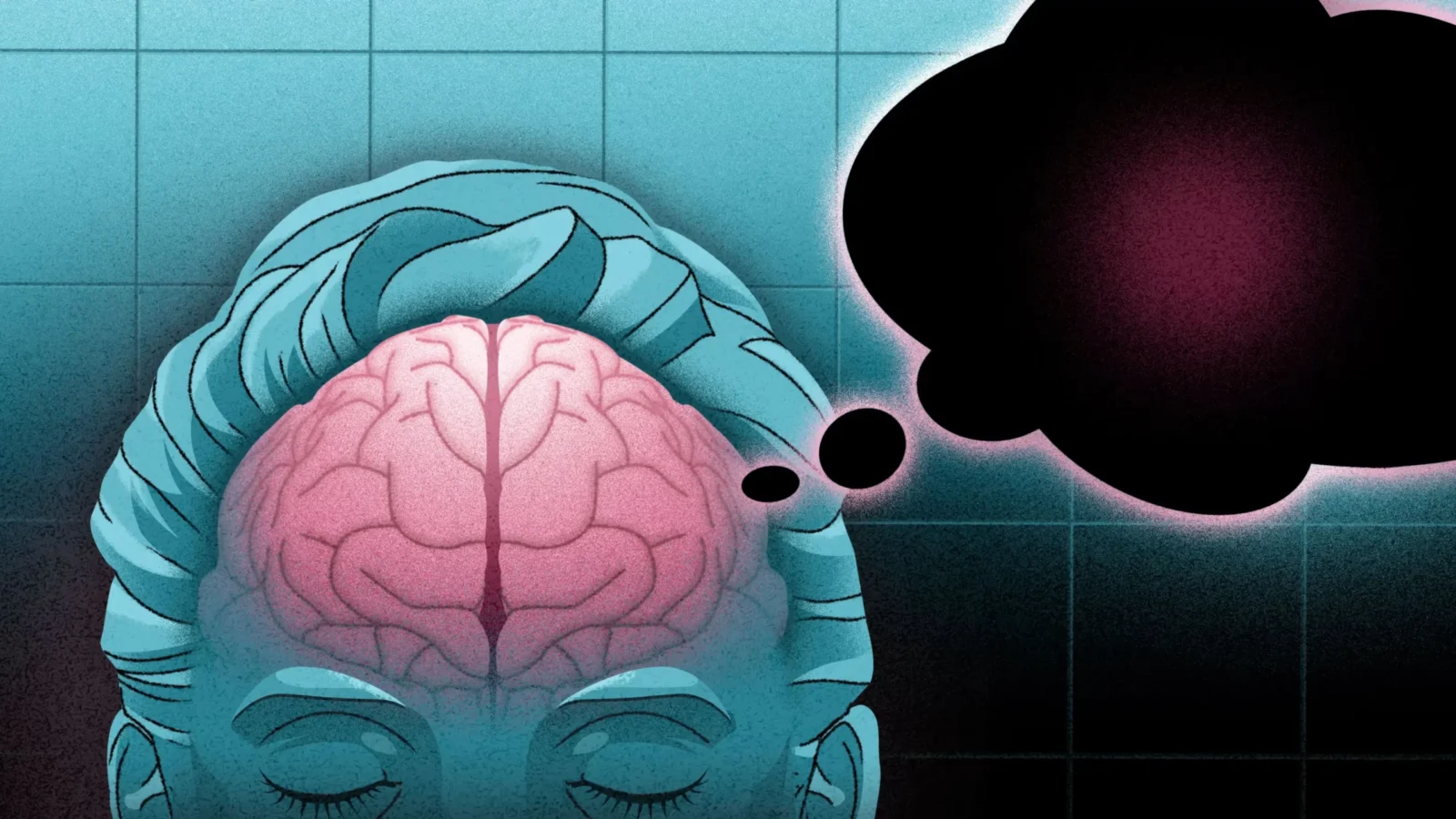
Epilepsy is a neurological condition that can affect people of any age, and witnessing someone having a seizure can be frightening. However, knowing how to respond during an epileptic seizure can make a significant difference in preventing injuries and ensuring the person receives timely medical attention. While many people instinctively try to restrain the person, put something in their mouth or give them water, these common reactions can actually cause serious harm.
Observed every year on November 17, National Epilepsy Day aims to raise awareness about epilepsy, encourage early diagnosis and treatment, and address the stigma surrounding the condition. One of the most important aspects of epilepsy awareness is understanding seizure first aid and knowing what not to do when someone experiences a seizure.
A seizure occurs due to a sudden burst of abnormal electrical activity in the brain. It can cause involuntary muscle movements, temporary loss of awareness, unusual sensations, confusion or changes in behaviour. Although some seizures involve dramatic shaking and loss of consciousness, others may appear as brief episodes of staring or unresponsiveness.
According to health experts, the right first-aid response is to remain calm, protect the person from injury, monitor the duration of the seizure and seek emergency assistance when necessary.
7 Things You Should Never Do During A Seizure
Here are seven things you should never do when someone is having a seizure:
1. Never put anything inside the person’s mouth
One of the most common misconceptions about seizures is that a person may swallow their tongue. This is medically impossible. Despite this, bystanders sometimes try to insert a spoon, cloth, fingers or other objects into the person’s mouth to prevent tongue-biting.
This can cause serious injuries, including broken teeth, jaw injuries, choking or airway obstruction. It can also injure the person trying to help.
2. Never try to hold the person down or stop their movements
During a convulsive seizure, a person may experience sudden stiffening, uncontrolled jerking and involuntary movements. Trying to hold their arms, legs or body down will not stop the seizure.
In fact, forcibly restraining someone can cause muscle injuries, joint dislocations and other physical harm. It may also make the person more confused or agitated when they regain awareness.
3. Never give water, food or oral medication during a seizure
A person experiencing a seizure may temporarily lose consciousness or become unable to swallow properly. Giving them water, food or tablets during this period can increase the risk of choking and aspiration, which occurs when substances enter the airway or lungs instead of the food pipe.
Some people also attempt to give the person water immediately after the jerking movements stop. However, the person may remain confused or drowsy and may not have regained normal swallowing ability.
4. Never move the person unnecessarily
When someone suddenly collapses during a seizure, bystanders may instinctively try to pick them up or carry them to another location. However, unnecessary movement can increase the risk of injuries, particularly if the person has fallen or sustained a head injury.
Moving someone while they are experiencing uncontrolled movements may also make it difficult to protect their head and body.
READ ALSO: Silent Struggle: Over 15 Million Indians Live with Epilepsy, Experts Stress Early Diagnosis and Care
5. Never attempt CPR or mouth-to-mouth resuscitation while the seizure is ongoing
A seizure can temporarily affect breathing, and the person’s breathing may appear irregular or interrupted during the episode. This can frighten bystanders into attempting mouth-to-mouth resuscitation or CPR immediately.
However, seizure-related changes in breathing generally improve as the seizure ends. Attempting rescue breathing while the person is still convulsing is not recommended and may cause additional harm.
6. Never leave the person alone immediately after the seizure
The end of visible convulsions does not necessarily mean the person has completely recovered. Many people experience what is known as the postictal phase, a period following a seizure during which they may feel confused, exhausted, sleepy or disoriented.
Some people may also experience headaches, muscle soreness or temporary difficulty speaking. Leaving them alone during this period can put them at risk, particularly if they have another seizure or experience breathing difficulties.
7. Never ignore a seizure that lasts longer than five minutes
Most seizures stop on their own within a few minutes. However, a seizure lasting more than five minutes is a medical emergency because it may indicate a condition called status epilepticus.
This condition involves prolonged seizure activity or repeated seizures without the person regaining consciousness between episodes. It can become life-threatening and requires immediate medical intervention.
When Should You Seek Emergency Medical Help During A Seizure?
Although not every seizure requires an ambulance, certain situations need immediate medical attention. According to seizure first-aid recommendations, seek emergency assistance if:
- The seizure lasts five minutes or longer.
- The person experiences another seizure before regaining consciousness.
- It is the person’s first seizure.
- The person has difficulty breathing or waking up after the seizure.
- The person gets injured during the episode.
- The seizure occurs in water.
- The person is pregnant or has diabetes and loses consciousness.
- The person does not return to their usual state after the seizure.
In India, call 112, the national emergency response number, for urgent assistance.
What Should You Do When Someone Has A Seizure?
Remembering a few basic first-aid steps can help prevent injuries and make the situation safer for someone experiencing a seizure.
| What to do | Why it matters |
|---|---|
| Stay calm and stay with the person | Helps ensure they receive assistance throughout the episode |
| Time the seizure | Helps identify when emergency medical attention is needed |
| Clear the surrounding area | Prevents injuries from sharp or hard objects |
| Cushion their head | Reduces the risk of head injuries |
| Loosen tight clothing around the neck | Helps avoid unnecessary restriction |
| Turn them onto their side when appropriate | Helps keep the airway clear |
| Reassure them after the seizure | Helps manage confusion and anxiety during recovery |
Can A Person Have A Seizure Without Having Epilepsy?
Yes. Not every seizure automatically means a person has epilepsy. A seizure is a temporary episode caused by abnormal electrical activity in the brain. Epilepsy, on the other hand, is a neurological disorder characterised by an enduring tendency to experience recurrent unprovoked seizures.
Seizures can also occur due to certain medical conditions, infections affecting the brain, head injuries, metabolic disturbances or other underlying health problems. A person experiencing their first seizure should undergo medical evaluation to identify the possible cause and determine whether further investigations or treatment are needed.
Can Epilepsy Be Treated?
Epilepsy is a treatable neurological condition, and many people can achieve good seizure control with appropriate medical care. Anti-seizure medications are generally the first line of treatment. Depending on the type of epilepsy, seizure frequency and response to medication, doctors may also consider other treatment options, including epilepsy surgery, dietary therapy or neurostimulation.
However, treatment needs to be individualised. People diagnosed with epilepsy should take their prescribed medication regularly and should never discontinue it without consulting their neurologist.
















Leave a comment