Pakistani singer Shafqat Amanat Ali’s revelation about his battle with multiple myeloma has brought attention to a relatively lesser-known form of blood cancer that originates in the bone marrow. The singer revealed that the illness required chemotherapy, left him bedridden for nearly a year and continues to require weekly maintenance treatment as he awaits stem cell therapy.
But what exactly is multiple myeloma, how does it affect the body, and why can patients require treatment even after achieving remission?
What Is Multiple Myeloma And How Does It Affect The Body?
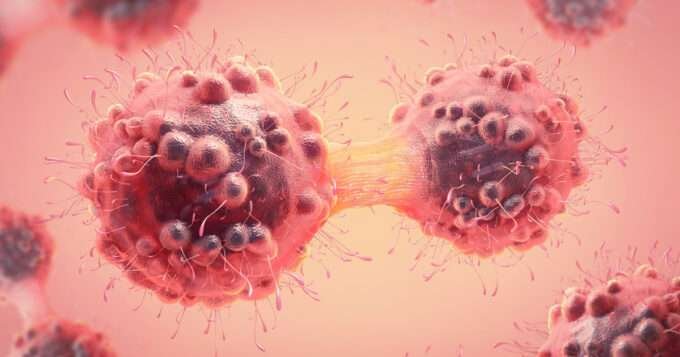
Multiple myeloma is a cancer that develops in plasma cells, a type of white blood cell found in the bone marrow. These cells normally produce antibodies that help the immune system fight infections.
In this condition, plasma cells become cancerous and multiply uncontrollably. They produce abnormal proteins, known as monoclonal proteins or M proteins, which do not provide effective immune protection.
As cancerous cells accumulate in the bone marrow, they interfere with healthy blood cell production and can damage bones and kidneys. The disease commonly affects areas such as the spine, ribs, pelvis and skull.
Dr. Suraj Chiraniya, Consultant Hematologist, Hemato-Oncologist and BMT Physician at MOC Cancer Care, explains that multiple myeloma requires careful evaluation because it can affect several organ systems, including the blood, bones, kidneys and immune system.
Why Can Multiple Myeloma Become Debilitating?
Multiple myeloma can cause several complications that significantly affect a patient’s quality of life.
- Anaemia: Reduced production of healthy red blood cells can cause persistent fatigue, weakness and breathlessness.
- Bone damage: Cancerous plasma cells can trigger bone destruction, increasing the risk of fractures and severe bone pain.
- Kidney damage: Abnormal proteins produced by myeloma cells can accumulate in the kidneys and interfere with their functioning.
- Infections: Reduced production of normal antibodies weakens immune protection, making patients more vulnerable to infections.
- High calcium levels: Bone breakdown can release calcium into the bloodstream, causing nausea, excessive thirst, constipation and confusion.
The severity of these complications varies between individuals and depends on the extent of the disease.
What Are The Early Warning Signs?
Multiple myeloma can initially produce symptoms that resemble common health conditions. Some important warning signs include:
- Persistent bone pain, particularly in the back, ribs or hips.
- Unexplained fatigue, weakness and breathlessness.
- Recurrent infections or unexplained fever.
- Unexplained fractures or bones that break easily.
- Excessive thirst and frequent urination.
- Persistent nausea, constipation or reduced appetite.
- Unexplained weight loss and changes in kidney function.
These symptoms do not necessarily indicate cancer. However, persistent or unexplained symptoms, particularly when occurring together, require medical evaluation.
How Is Multiple Myeloma Diagnosed?
Diagnosis involves blood investigations, urine tests, imaging and bone marrow examination.
A complete blood count helps identify anaemia, while specialised blood and urine tests detect abnormal proteins, including M proteins and free light chains.
Doctors may recommend a bone marrow aspiration or biopsy to identify abnormal plasma cells. Imaging investigations such as MRI, PET-CT and CT scans help detect bone lesions and assess disease involvement.
Additional genetic and molecular tests help determine the risk profile of the cancer and guide treatment decisions.
What Are The Treatment Options?
Treatment depends on the patient’s age, overall health, disease characteristics, organ function and eligibility for stem cell transplantation. Options include combinations of chemotherapy, targeted medicines, immunomodulatory drugs and immunotherapy. Eligible patients may also undergo an autologous stem cell transplant.
In this procedure, the patient’s own blood-forming stem cells are collected and stored. High-dose chemotherapy is then administered to destroy cancer cells before the collected stem cells are returned to the bloodstream to restore bone marrow function.
Not every patient requires or qualifies for transplantation. The decision is based on an individual medical assessment.
Why Does Treatment Continue Even After Recovery?
Shafqat Amanat Ali has reportedly described himself as cured while revealing that he continues to receive weekly maintenance treatment and is awaiting stem cell therapy. This highlights an important aspect of multiple myeloma: remission does not necessarily mean that all cancer cells have been eliminated.
Even after a good response to initial treatment, microscopic disease may remain. Maintenance therapy helps control residual cancer cells, prolong remission and reduce the risk of relapse. Regular monitoring through blood tests and other investigations remains essential.
Can Patients Recover From Multiple Myeloma?
Multiple myeloma remains a serious condition that can relapse, but advances in targeted therapies, immunotherapy and stem cell transplantation have significantly expanded treatment options.
Recovery also involves rehabilitation, nutritional support, infection prevention and management of complications affecting the bones and kidneys.
Shafqat Amanat Ali’s experience highlights the physical and emotional challenges associated with prolonged cancer treatment. Early diagnosis, specialist evaluation and an individualised treatment strategy remain important in managing the disease and improving patients’ quality of life.
Follow HealthWireMedia.com for all the latest health news and development from around the world.