Men are often expected to be strong, dependable and emotionally resilient. From being financial providers to solving family problems and meeting professional expectations, many carry responsibilities that leave little room to acknowledge their own emotional needs. Over time, this pressure to appear strong can take a toll on their mental and physical health.
While stress is a normal part of life, prolonged emotional strain, workplace pressure and burnout should not be ignored. Understanding how these factors affect men’s wellbeing is an important step towards encouraging healthier coping mechanisms and timely support.
In this article, Dr. Ayan Kar, Consultant – Interventional Cardiology, Narayana RN Tagore Hospital, Mukundapur, Kolkata, helps us understand how silently pressure and stress can affect men’s mental and heart health.
Why men often struggle to express their emotions
Social expectations and traditional gender stereotypes can discourage men from expressing vulnerability. Many grow up hearing that they should not cry, show fear or discuss emotional difficulties. As adults, they may find it challenging to recognise their feelings, communicate their concerns or seek professional help.
Career ambitions, financial responsibilities and family expectations can add to this pressure. Mental health often takes a back seat as men prioritise their responsibilities over their personal wellbeing.
However, acknowledging emotional distress is not a sign of weakness. Recognising when support is needed is an important part of maintaining overall health.
When professional success becomes the only identity
For many men, personal identity becomes closely connected to professional achievements, financial stability and career progression. While professional growth can provide a sense of purpose, relying entirely on work for self-worth can create emotional strain.
When work takes priority over friendships, hobbies, family relationships and personal interests, individuals may gradually experience isolation and dissatisfaction. Maintaining interests outside professional life can help create a healthier sense of identity and emotional balance.
How poor work-life balance contributes to burnout
Long working hours, constant notifications, tight deadlines and the expectation of being available even after office hours can make it difficult to disconnect from work.
Over time, limited opportunities to spend quality time with partners, children and friends can affect relationships and emotional wellbeing. Persistent exhaustion, reduced motivation and difficulty concentrating may also indicate that stress is becoming difficult to manage.
Burnout should not be dismissed as ordinary tiredness. It can affect how individuals function at work, interact with others and manage everyday responsibilities.
ALSO READ: Liver Damage and Gender: How Men and Women Differ in Risk and Symptoms
Can chronic stress affect men’s heart health?
Unmanaged stress can manifest differently in different individuals. Some men may become irritable, frustrated or withdrawn, while others may experience difficulty concentrating, low confidence, disturbed sleep, fatigue or changes in appetite.
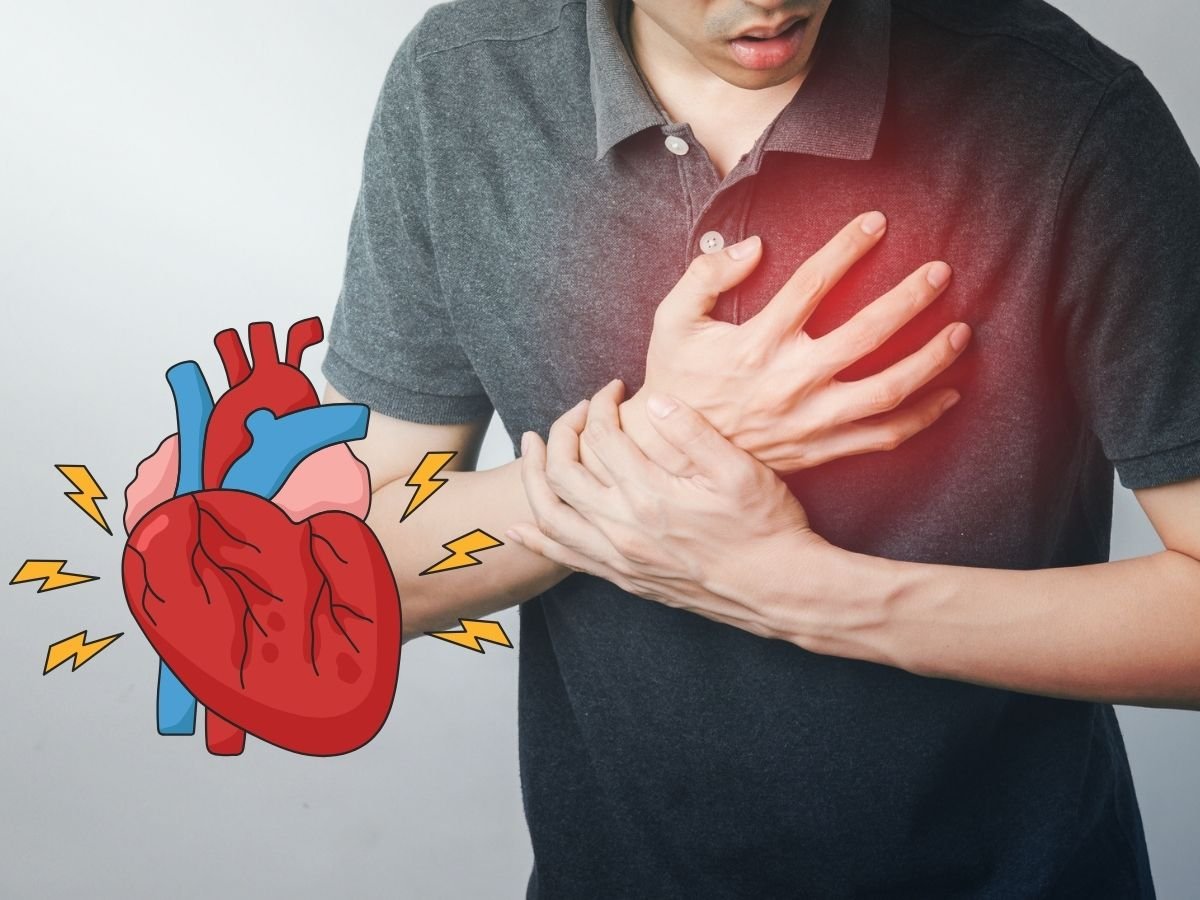
There is also an important connection between prolonged stress and cardiovascular health. Chronic stress can influence blood pressure, sleep, lifestyle habits and the body’s stress-response systems. It may also contribute to unhealthy coping behaviours such as smoking, excessive alcohol consumption, physical inactivity and unhealthy eating.
These factors can increase cardiovascular risk over time, particularly when combined with existing risk factors such as diabetes, hypertension, obesity and high cholesterol.
Dr. Kar highlights the importance of recognising the relationship between emotional wellbeing and physical health. Stress management should be considered part of a broader approach to cardiovascular health, alongside regular physical activity, adequate sleep, a balanced diet and routine health checks.
Persistent fatigue, sleep disturbances and unexplained physical symptoms should not automatically be attributed to stress. They may require medical evaluation to identify underlying health concerns.
ALSO READ: Delhi Government to Expand Mental Health Counseling Services to All Government Schools
Practical ways to improve men’s emotional wellbeing
Improving men’s mental health requires support at individual, family and workplace levels. Some important steps include:
- Set work boundaries: Avoid making yourself available around the clock and make time to disconnect from professional responsibilities.
- Build meaningful relationships: Stay connected with friends, family members and people with whom you can discuss personal concerns.
- Make time for hobbies: Pursue activities outside work that provide enjoyment and a sense of purpose.
- Prioritise physical health: Regular exercise, balanced nutrition and adequate sleep can support both physical and emotional wellbeing.
- Seek professional support: Persistent stress, anxiety, low mood or burnout may require guidance from a qualified mental health professional.
Employers can also contribute by promoting reasonable working hours, offering access to counselling and creating workplaces where employees feel comfortable discussing mental health concerns.
Being strong also means knowing when to ask for help
Men’s mental health deserves the same attention as their physical health. The pressure to constantly appear strong can prevent many from recognising distress until it begins affecting their relationships, work and overall wellbeing.
Strength does not mean suppressing emotions or handling every challenge alone. It also means acknowledging personal limits, seeking support and making health a priority.
Verified By: Dr. Ayan Kar, Consultant – Interventional Cardiology, Narayana RN Tagore Hospital, Mukundapur, Kolkata.
Follow HealthWireMedia.com for all the latest health news and developments from around the world.