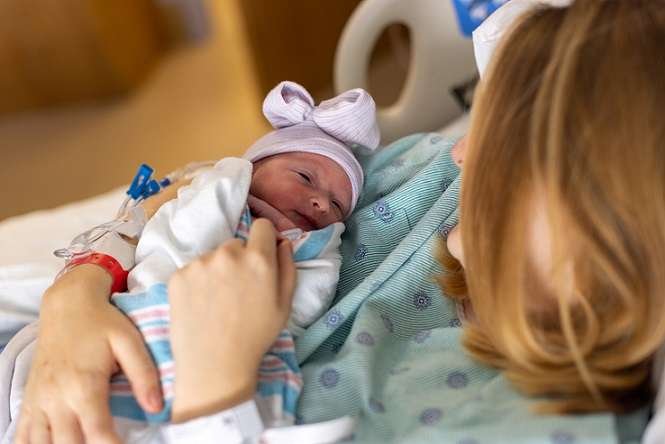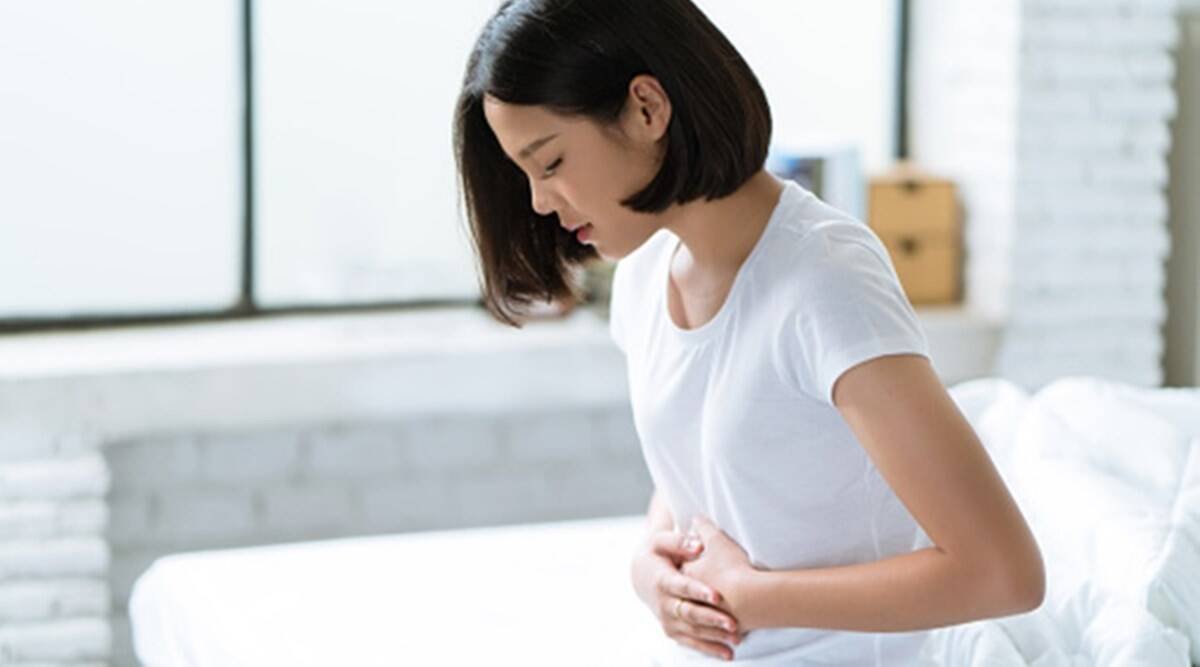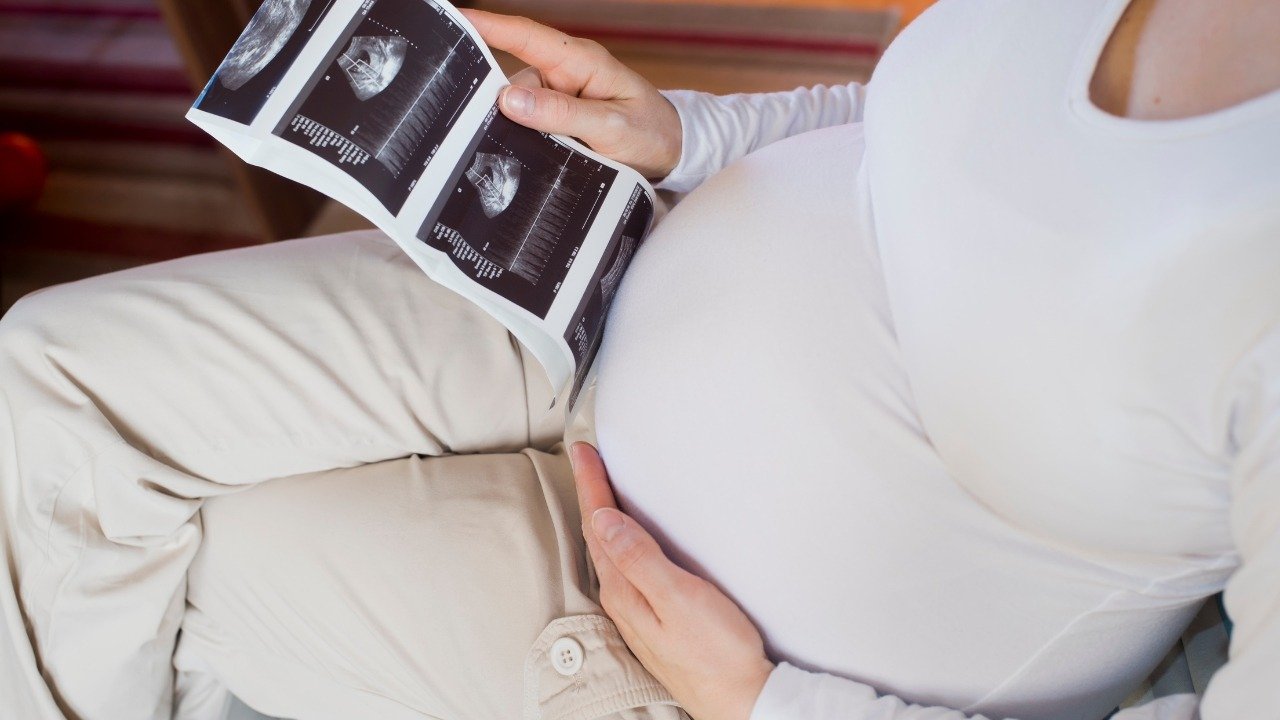
Planning another pregnancy after a Caesarean section (C-section) requires more than emotional and physical readiness. The body needs adequate time to recover from surgery, heal the uterine scar and replenish essential nutrients before supporting another pregnancy. One of the most common questions new mothers have is: How long should you wait after a C-section before trying to conceive again?
While there is no single waiting period that applies to every woman, medical experts generally recommend allowing sufficient time between pregnancies to reduce the risk of complications for both the mother and baby. The ideal interval depends on factors such as maternal age, recovery after surgery, previous pregnancy complications and overall health.
How long should you wait after a C-section before getting pregnant?
According to the American College of Obstetricians and Gynecologists (ACOG), women should avoid becoming pregnant within six months of giving birth and should be counselled about the potential risks and benefits of conceiving again before 18 months.
For women who have undergone a C-section, waiting approximately 18 months before attempting another pregnancy is generally a safer approach, provided there are no medical reasons to consider a different timeline.
It is important to understand the difference between pregnancy spacing and birth spacing. The recommended 18-month interval refers to the time between giving birth and conceiving again, not the gap between the deliveries of two children.
The World Health Organization (WHO) recommends waiting at least 24 months after a live birth before attempting another pregnancy to reduce the risk of adverse maternal and infant outcomes. ACOG+2
Why is waiting important after a C-section?
A Caesarean section is major abdominal surgery involving two incisions: one through the abdominal wall and another through the uterus. Although the external wound may heal within weeks, the internal tissues need considerably longer to recover.
Conceiving too soon after surgery may increase the risk of several complications.
1. Uterine rupture
One of the most significant concerns is uterine rupture, a rare but potentially life-threatening complication in which the uterine scar opens during pregnancy or labour.
The risk is particularly important for women considering a vaginal birth after Caesarean (VBAC). ACOG notes that shorter intervals between pregnancies have been associated with an increased risk of uterine rupture among women attempting labour after a previous C-section.
2. Preterm birth and low birth weight
A short interval between pregnancies has been associated with an increased likelihood of premature delivery and low birth weight. The mother’s body may not have sufficient time to replenish essential nutrients and recover fully from the previous pregnancy.
3. Maternal anaemia and nutritional deficiencies
Pregnancy and childbirth can deplete the body’s iron and folate stores. Another pregnancy too soon may increase the risk of nutritional deficiencies and anaemia, particularly among women who experienced significant blood loss during their C-section.
4. Placental complications
Women with previous C-sections may have an increased risk of certain placental complications in subsequent pregnancies, including placenta previa and placenta accreta spectrum. The risk of placenta accreta spectrum also increases with the number of previous Caesarean deliveries. ACOG+2
Does the recommended waiting period change after multiple C-sections?
Yes. Women who have undergone two or more C-sections may require more individualised pregnancy planning.
The number of previous surgeries, the type of uterine incision, previous complications and the condition of the uterine scar can influence recommendations for another pregnancy.
Women with multiple previous Caesarean deliveries should discuss their medical history and future pregnancy plans with an obstetrician before trying to conceive.
What should women check before planning another pregnancy?
Before attempting conception, women should consider a preconception consultation with their gynaecologist or obstetrician. Important considerations include:
- Uterine scar and surgical recovery: Discuss the previous surgical procedure and any complications during recovery.
- Blood and nutritional health: Check haemoglobin and iron levels if clinically indicated, and address nutritional deficiencies.
- Existing medical conditions: Ensure that diabetes, thyroid disorders, high blood pressure and other health conditions are appropriately managed.
- Medication and supplements: Discuss folic acid supplementation, prescribed medicines and other nutritional requirements.
- Previous pregnancy complications: Review any history of gestational diabetes, pre-eclampsia, excessive bleeding or premature delivery.
Women should also discuss suitable contraception if they do not wish to conceive immediately, as ovulation can return before the first menstrual period after childbirth.
Can you have a normal delivery after a previous C-section?
Yes. A vaginal birth after Caesarean (VBAC) may be possible for selected women. However, eligibility depends on factors such as the type of uterine incision, previous surgical history, the reason for the first C-section and the progress of the next pregnancy.
An obstetrician can assess whether attempting labour is appropriate or whether a repeat C-section would be safer.
NOTE: A healthy pregnancy after a C-section is possible, but giving the body enough time to recover is an important part of planning another baby. While individual circumstances may differ, avoiding conception within the first six months and aiming for an interval of around 18 months before trying again is a sensible starting point for discussion with an obstetrician.
Disclaimer: This article is based on published guidance from ACOG, WHO and established maternity health resources. It does not attribute fabricated statements to individual doctors. For stronger first-hand expertise, you can add a reviewed comment from a practising obstetrician-gynaecologist.