Cancer patterns across South India are evolving, with changing lifestyles, ageing populations, tobacco and alcohol consumption, infections and metabolic risk factors influencing the disease burden. While advances in cancer treatment and diagnostic technology have improved outcomes for many patients, late diagnosis continues to be a major challenge, particularly when symptoms are mistaken for common health problems or screening is delayed.
From breast and cervical cancer among women to oral, lung, colorectal and prostate cancers, the region faces a diverse cancer burden. The concern is not just the number of people developing cancer but also the stage at which the disease is detected.
In many cases, patients approach healthcare facilities only after symptoms become persistent or severe. By then, the cancer may have progressed to an advanced stage, making treatment more complicated and potentially affecting survival outcomes.
Understanding changing cancer patterns, recognising warning signs and improving access to early diagnosis are therefore essential to reducing the burden of cancer across South India.
Cancer cases are showing changing patterns across southern states
Recent data highlight why cancer surveillance and early detection need greater attention across southern India. An analysis of India’s Medical Certification of Cause of Death (MCCD) reports for 2015–2024 found that medically certified deaths due to neoplasms increased from 62,876 in 2015 to 1,02,520 in 2024, a rise of approximately 63%.
Among southern states, Karnataka recorded 12,207 medically certified neoplasm deaths in 2024, followed by Tamil Nadu with 10,861, Kerala with 5,339, Telangana with 1,759 and Andhra Pradesh with 1,263. Together with Puducherry, the southern states accounted for approximately 31% of India’s medically certified cancer deaths.
However, these figures represent deaths for which medical cause-of-death certificates were issued, not the total number of cancer deaths in these states. Differences in death certification and reporting practices also mean that lower recorded numbers should not automatically be interpreted as a lower cancer burden.
Another important development is the changing profile of cancers being reported. Lung cancer remains a major concern, including among women and people who have never smoked. Tamil Nadu has also reported a substantial increase in medically certified breast cancer deaths, while oral and oesophageal cancers remain important concerns in Karnataka.
Why late cancer diagnosis remains a concern
One of the biggest challenges in cancer management is that many patients are diagnosed only after the disease has reached an advanced stage. A population-based study from the Trivandrum cancer registry, examining patients diagnosed between 2012 and 2014, found that advanced-stage disease was present in:
- 37% of breast cancer patients.
- 39% of cervical cancer patients.
- 67% of oral cancer patients.
- 88% of lung cancer patients.
The study also found that women with lower educational levels were more likely to have advanced breast and cervical cancer at diagnosis. These findings underline the importance of health awareness, timely medical consultations and accessible diagnostic services. ascopubs.org+1
Although this study is based on older data from one district, it provides important evidence of the barriers that can delay cancer diagnosis.
7 reasons why cancer is often detected late
1. Early symptoms are mistaken for common health problems
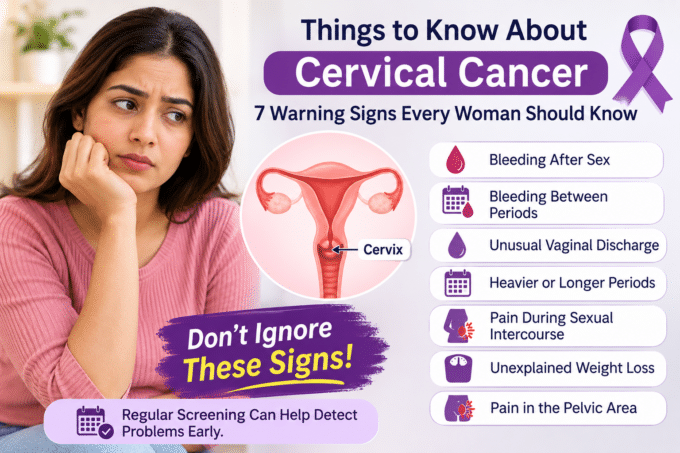
Many cancers do not cause obvious symptoms in their initial stages. Persistent cough, unexplained weight loss, changes in bowel habits, abnormal bleeding, difficulty swallowing or a painless lump may be ignored or attributed to minor health issues.
For example, early lung cancer may not cause noticeable symptoms, while breast cancer can sometimes present as a lump without pain. Waiting for pain or severe discomfort before seeking medical attention can delay diagnosis.
2. Lack of awareness about cancer warning signs
Awareness of cancer symptoms remains uneven, particularly in communities where access to health education and preventive healthcare is limited.
Some women may not recognise unusual breast changes or abnormal vaginal bleeding as symptoms that require medical evaluation. Similarly, persistent mouth ulcers, white or red patches in the mouth and difficulty swallowing may not receive timely attention.
Recognising unusual or persistent changes in the body and seeking medical advice can help identify cancer earlier.
3. Fear, stigma and hesitation to seek medical help
Fear of a cancer diagnosis can prevent people from visiting a doctor, even when they notice unusual symptoms. In some families, cancer is associated with fear, social stigma, financial uncertainty and concerns about long-term treatment.
Women may also delay consultations for reproductive or breast-related symptoms because of embarrassment or limited access to female healthcare professionals.
This hesitation can result in missed opportunities for timely investigation.
4. Limited access to screening and diagnostic facilities
Although major cities such as Bengaluru, Chennai, Hyderabad, Kochi and Thiruvananthapuram have established cancer centres, access to specialised diagnostic services can vary considerably across rural and remote areas.
Patients may need to travel long distances for mammography, biopsies, endoscopy, imaging and specialist consultations. These logistical difficulties can delay investigations, particularly for people who cannot afford repeated travel or time away from work.
5. Tobacco, alcohol and lifestyle-related risk factors
Tobacco consumption remains a major preventable cancer risk factor. Smoking and smokeless tobacco are associated with cancers of the lung, oral cavity and several other organs.
Alcohol consumption, unhealthy dietary patterns, physical inactivity, obesity and certain infections can also contribute to cancer risk.
In southern India, oral cancer prevention is particularly important because of the continued use of smokeless tobacco and other tobacco products in some communities.
6. Delays in referrals and diagnostic investigations
A patient may initially visit a primary healthcare centre or general practitioner for symptoms that appear unrelated to cancer. If investigations or referrals to specialists are delayed, the diagnosis can take longer.
In some cases, patients undergo repeated treatment for presumed infections or other conditions without adequate investigation of persistent symptoms.
An effective referral system, timely imaging, pathological testing and access to specialist consultations are essential for reducing these delays.
7. Financial constraints and treatment-related concerns
Cancer diagnosis and treatment can involve substantial expenses, including consultations, investigations, surgery, chemotherapy, radiation therapy, medicines and supportive care.
Patients from economically weaker households may postpone diagnostic tests or struggle to continue treatment because of financial pressures.
Even after diagnosis, transport, accommodation and loss of income can become additional barriers, particularly for people travelling from smaller towns to major cancer centres.
Which cancers need greater attention in South India?
Different states have distinct cancer profiles, making region-specific prevention and screening strategies important.
| Cancer type | Key concern |
|---|---|
| Breast cancer | Increasing disease burden and delayed detection among women |
| Cervical cancer | HPV infection, inadequate screening and delayed diagnosis |
| Oral cancer | Tobacco and smokeless tobacco consumption |
| Lung cancer | Smoking, environmental exposures and cases among non-smokers |
| Colorectal cancer | Changing dietary patterns, obesity and metabolic risk factors |
| Prostate cancer | Ageing population and delayed evaluation of urinary symptoms |
India’s National Cancer Registry Programme has also documented regional differences in cancer incidence. Its analysis of 43 population-based cancer registries highlights the importance of monitoring cancer patterns across different populations rather than relying on national averages alone.
What can help improve early cancer detection?
Doctors and public health experts emphasise that early detection requires a combination of awareness, preventive healthcare and accessible diagnostic services.
Some important measures include:
- Regular screening: Eligible women should discuss cervical and breast cancer screening with their doctors. Screening recommendations depend on age, individual risk and applicable clinical guidelines.
- HPV vaccination: Vaccination against human papillomavirus (HPV) can help prevent HPV-related cervical cancer.
- Avoid tobacco: Quitting smoking and avoiding smokeless tobacco can significantly reduce the risk of several cancers.
- Recognise warning signs: Persistent lumps, unexplained bleeding, unexplained weight loss, changes in bowel habits, non-healing mouth ulcers and prolonged cough should be medically evaluated.
- Do not delay investigations: Persistent or unexplained symptoms should not be repeatedly self-treated without appropriate medical assessment.
- Improve healthcare access: Strengthening primary healthcare facilities, referral networks, diagnostic infrastructure and financial support can help patients receive timely care.
Importantly, screening and diagnostic tests are not interchangeable. Screening is intended for people without symptoms who meet specific eligibility criteria, while those experiencing suspicious symptoms need appropriate diagnostic evaluation.