

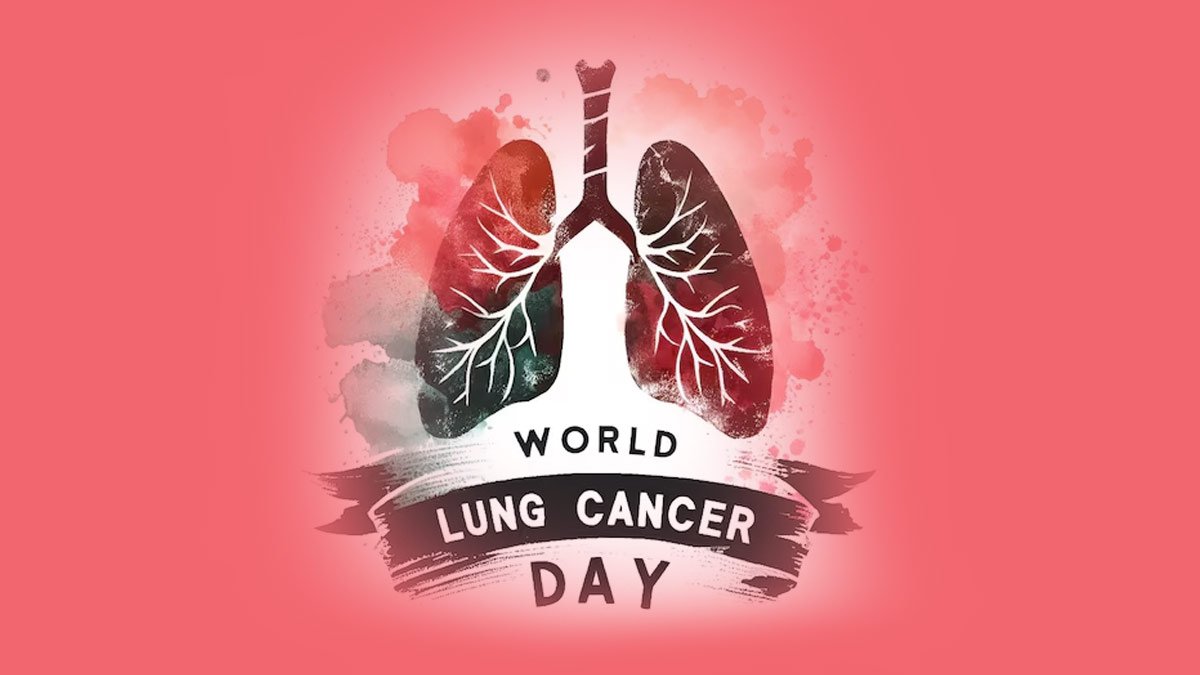
New Delhi, 01 August 2025: Lung cancer is one of the leading causes of cancer-related deaths globally. Its stealthy progression often means that symptoms appear only after the disease has advanced. However, with increased awareness and early detection, the survival rate can significantly improve. Experts emphasize the importance of recognizing the early warning signs, especially for people at higher risk, such as smokers and those exposed to pollutants. In this article, we break down the early symptoms of lung cancer, the types, risk factors, and what you need to do if you suspect something is wrong.
Why Lung Cancer Is So Dangerous
Lung cancer often does not cause noticeable symptoms in its early stages. By the time symptoms are noticeable, the disease may already have spread beyond the lungs, making treatment more challenging. The lungs don’t have many pain receptors, which means tumors can grow silently. Moreover, some symptoms are often mistaken for common respiratory conditions like a cold, bronchitis, or even allergies.
Dr. Neha Kapoor, a pulmonologist, explains, “Early-stage lung cancer is often asymptomatic. That’s what makes it deadly. People ignore subtle signs thinking they are minor respiratory infections, and by the time they reach a doctor, it’s often stage 3 or 4.”
Common Early Symptoms of Lung Cancer
The key to spotting lung cancer early lies in paying attention to persistent and unexplained changes in your body. Here are some of the early signs that experts urge everyone to take seriously:
1. Chronic Cough That Doesn’t Go Away
A lingering cough that lasts more than two to three weeks should not be ignored. It could be dry or produce mucus. If you’re a smoker, don’t assume it’s just a “smoker’s cough.” A change in the nature of your usual cough — more frequent, deeper, or with a different sound — warrants a medical check.
2. Coughing Up Blood (Hemoptysis)
Even a small amount of blood in sputum can be alarming and should be immediately reported to a healthcare provider. While it might be due to other conditions like a chest infection or tuberculosis, it’s also a red flag for lung cancer.
3. Chest Pain
Chest discomfort or pain that worsens when you breathe deeply, cough, or laugh may indicate a tumor pressing against surrounding tissues. Lung cancer-related pain can be sharp, dull, intermittent, or persistent.
4. Shortness of Breath
Difficulty breathing or shortness of breath during everyday activities, like climbing stairs or walking, can signal lung obstruction or fluid buildup caused by cancer.
5. Unexplained Weight Loss
A sudden drop in weight without trying could be a sign of several cancers, including lung cancer. This happens as the body uses more energy or loses appetite due to the disease.
6. Persistent Fatigue
If you’re feeling unusually tired even after resting, it could be your body’s way of indicating a deeper problem like cancer. Cancer-related fatigue is different from everyday tiredness — it’s more persistent and doesn’t improve with rest.
7. Hoarseness or Voice Changes
Tumors pressing on the laryngeal nerve can cause hoarseness or voice changes. If your voice becomes raspy and doesn’t return to normal after a few days, it’s worth getting checked.
8. Frequent Respiratory Infections
Recurring bronchitis or pneumonia may be a symptom of a lung tumor blocking airways, leading to infections. Frequent infections that don’t respond well to treatment should raise a red flag.
Less Common But Important Symptoms
Some early symptoms of lung cancer are often misattributed to other causes. These include:
- Shoulder or arm pain (especially in the case of Pancoast tumors)
- Difficulty swallowing (dysphagia)
- Swelling in the face or neck (due to superior vena cava obstruction)
- Clubbing of fingers (enlarged fingertips)
Types of Lung Cancer and Their Symptoms
There are two main types of lung cancer:
- Non-Small Cell Lung Cancer (NSCLC): The most common type, accounting for about 85% of cases. It generally grows and spreads more slowly.
- Small Cell Lung Cancer (SCLC): A more aggressive form, often associated with smoking, and spreads rapidly.
The symptoms are generally similar, but SCLC can sometimes cause paraneoplastic syndromes — a group of symptoms that occur when tumors produce hormone-like substances, affecting parts of the body not directly impacted by the tumor.
Who Is at Risk?
Understanding your risk factors can also aid in early detection. Major risk factors include:
- Smoking: The number one cause of lung cancer. About 85% of cases are linked to smoking.
- Exposure to Secondhand Smoke
- Exposure to Radon Gas
- Occupational Exposure to Asbestos, Arsenic, or Diesel Exhaust
- Air Pollution
- Family History of Lung Cancer
- Personal History of Other Cancers
Dr. Arvind Menon, an oncologist, advises, “If you have a history of smoking, are over 50, or work in high-risk environments, you should consider annual low-dose CT scans even if you feel perfectly healthy.”
How Is Lung Cancer Diagnosed?
If lung cancer is suspected, doctors may recommend several tests:
- Chest X-ray or CT Scan: To look for abnormal masses or nodules.
- PET Scan: To detect active cancer cells.
- Sputum Cytology: Examination of mucus under a microscope for cancer cells.
- Bronchoscopy: A camera inserted into the lungs to visualize tumors and collect samples.
- Biopsy: Definitive diagnosis by examining a tissue sample.
Importance of Early Detection
When detected early, especially in stage 1, lung cancer can often be treated successfully with surgery, radiation, or targeted therapies. Unfortunately, because early signs are often missed, many diagnoses occur at advanced stages where the five-year survival rate drops drastically.
According to the American Cancer Society, the 5-year relative survival rate for localized (early-stage) lung cancer is about 60%, compared to 8% when diagnosed after it has spread to distant parts of the body.
What You Should Do
- Don’t Ignore Persistent Symptoms: If you have a cough that won’t go away, unexplained chest pain, or weight loss — see a doctor.
- Ask About Screening: Especially if you’re a current or former smoker over 50.
- Quit Smoking: It’s the best way to reduce your lung cancer risk. Help is available through counseling, medication, and nicotine replacement therapies.
- Avoid Pollutants and Secondhand Smoke: Minimize exposure to chemicals and ensure proper ventilation in workplaces.
Lung cancer may be deadly, but it doesn’t have to be a death sentence — especially if caught early. Educating yourself about the early warning signs and risk factors can make a life-saving difference. Don’t wait until it’s too late. Be proactive about your lung health, stay informed, and consult a doctor if something doesn’t feel right.
















Leave a comment