A myopia diagnosis in children can raise concerns about increasing spectacle power, long-term vision problems and treatment options. A paediatric ophthalmologist explains five important questions parents should ask during an eye consultation.
Finding out that your child has myopia, commonly known as nearsightedness, can be worrying for parents. Questions about increasing spectacle power, treatment options and the risk of long-term eye complications often follow the diagnosis. While spectacles can help children see clearly, managing myopia involves more than simply correcting their vision.
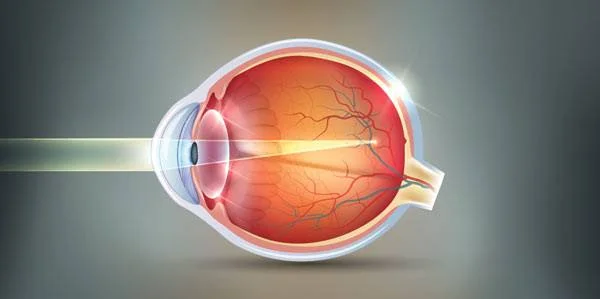
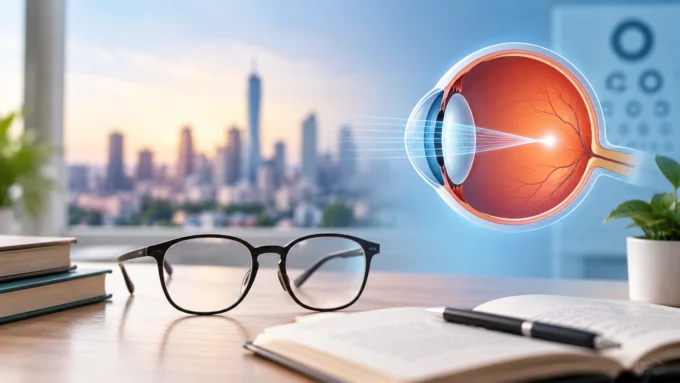
Myopia is a refractive error in which distant objects appear blurred because light focuses in front of the retina instead of directly on it. It commonly develops during childhood and may progress as the eyes grow. If myopia becomes severe, it can increase the risk of eye conditions such as retinal detachment, glaucoma and myopic macular degeneration later in life.
According to Dr. Aloka Hedau, DNB, FICO, FPOS, Paediatric Ophthalmologist and Squint Surgeon at Dr Aloka’s Eye Care, parents should actively participate in their child’s eye care journey by understanding the condition, discussing treatment options and ensuring regular follow-ups.
Here are five important questions every parent should ask when their child is diagnosed with myopia.
1. How Much Myopia Does My Child Have?
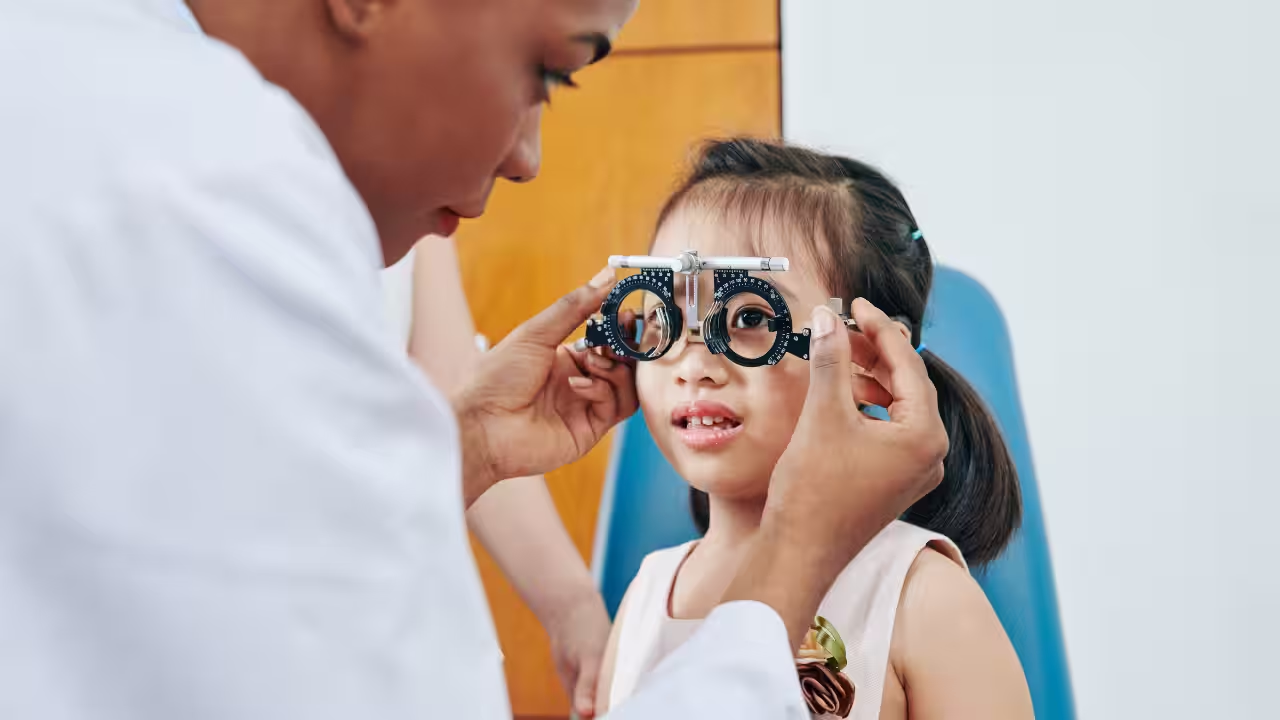
The first step is understanding your child’s current spectacle power. Ask the ophthalmologist whether the myopia is mild, moderate or high and whether the prescription has changed since the previous examination.
Parents can also ask whether measuring the axial length, which refers to the length of the eyeball from front to back, is necessary. Monitoring axial length helps doctors assess eye growth and track myopia progression.
Understanding these measurements allows parents to make informed decisions about their child’s treatment and follow-up requirements.
2. How Often Should My Child Have An Eye Check-up?
Children’s eyes continue to develop as they grow, and myopia can progress during these years. Therefore, regular eye examinations are important even when a child is already wearing spectacles.
Ask the ophthalmologist how frequently your child needs an examination based on their age, spectacle power and rate of progression.
Regular monitoring helps doctors identify changes in vision and eye growth and determine whether the existing treatment plan needs adjustment.
3. Are There Treatments To Slow Down Myopia Progression?
Corrective spectacles help children see distant objects clearly, but ordinary glasses do not necessarily slow down the progression of myopia.
Several myopia management options are available today. Depending on the child’s age, prescription and eye health, an ophthalmologist may recommend:
- Low-dose atropine eye drops: These may help slow the progression of myopia in children.
- Myopia-control spectacle lenses: Specially designed lenses aim to reduce the rate at which myopia progresses.
- Specialised contact lenses: Certain contact lens designs, including multifocal and orthokeratology lenses, may help manage myopia progression.
Parents should discuss the potential benefits, limitations, side effects and suitability of each option with an eye specialist rather than choosing a treatment independently.
4. What Changes Should We Make To Our Child’s Daily Routine?
Daily habits can play an important role in supporting children’s eye health. Parents should discuss their child’s outdoor activities, screen exposure, reading habits and study environment with the ophthalmologist.
Encourage children to spend more time outdoors, take regular breaks during prolonged near work and maintain a comfortable reading distance.
A useful habit is the 20-20-20 rule: after every 20 minutes of close-up work, encourage your child to look at something approximately 20 feet away for 20 seconds.
Limiting unnecessary recreational screen time and encouraging outdoor play can also help establish healthier visual habits.
5. What Should We Avoid, And Can We Manage Treatment Independently?
Parents should never start, stop or change prescribed eye drops or other myopia treatments without consulting an ophthalmologist. Even when a treatment appears simple, its concentration, dosage and duration must be appropriate for the child.
Avoid relying on home remedies, unverified online advice or recommendations from friends and relatives. Ask the doctor about possible side effects, treatment precautions and the recommended follow-up schedule.
Consistency and medical supervision are essential for effective myopia management.
A Message To Parents: Early Action Can Help Protect Children’s Vision
A diagnosis of myopia does not mean that a child will inevitably develop severe vision problems. However, childhood myopia requires attention because it can progress as the eyes grow.
Understanding the condition, identifying changes early and discussing appropriate management options with an eye specialist can help parents make better decisions about their child’s vision.
This National Myopia Week 2026 (November 14–20), the campaign #ActOnMyopia – A Jan Andolan to Protect Children’s Vision encourages parents to take an active role in children’s eye care.
Regular eye examinations, timely medical guidance and healthy daily habits can make a meaningful difference.
Remember: An informed parent is an important partner in protecting a child’s vision.