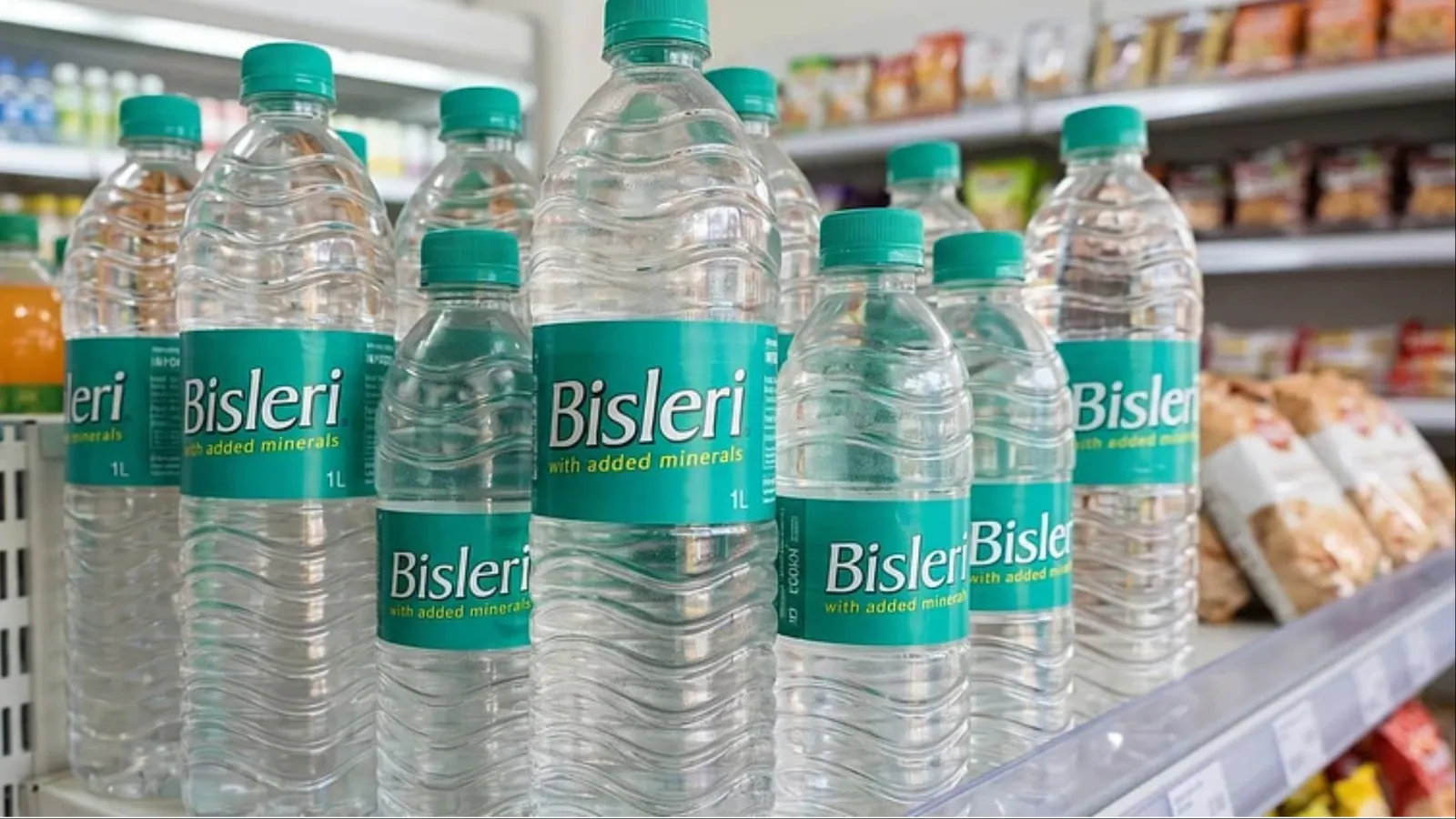
The FSSAI has sanctioned prosecution against Bisleri International after a packaged drinking water sample was declared unsafe following laboratory tests. The findings have raised concerns about bromate and potentially harmful chemical contaminants in bottled water. Here’s what consumers should know about the health risks, the company’s response and whether all Bisleri bottles are affected.
Packaged drinking water is often considered a safer alternative to untreated drinking water, particularly when people are travelling or living in areas with unreliable water supplies. However, a recent regulatory action against Bisleri International has raised questions about the quality checks involved in producing bottled water and the chemicals that could potentially enter drinking water during processing.
The Food Safety and Standards Authority of India (FSSAI) has sanctioned prosecution against Bisleri International Pvt Ltd after a regulatory sample of its packaged drinking water was declared unsafe following laboratory testing. The initial investigation flagged bromate levels above the prescribed limit, while a subsequent examination by a referral laboratory detected polynuclear aromatic hydrocarbons (PAHs).
The development has triggered consumer concerns about whether bottled water is always safe and what prolonged exposure to these chemicals could mean for human health.
What Did FSSAI Find In The Bisleri Water Sample?
According to FSSAI, a regulatory sample collected from Bisleri International’s manufacturing premises did not comply with the prescribed bromate limits. After the company appealed against the initial findings, the sample was sent to a referral food laboratory, which also declared it unsafe after detecting PAHs.
Following the laboratory findings, FSSAI sanctioned prosecution under the Food Safety and Standards Act, 2006.
However, subsequent clarifications established that the regulatory action was limited to one batch, identified as GO 270, manufactured at Bisleri’s Goa facility on September 27, 2025. FSSAI also directed the company to conduct a root cause analysis to identify the reason for the reported non-compliance.
On November 25, Bisleri said the affected batch was no longer available in the market and that its 143 manufacturing plants continued to operate. The company also maintained that subsequent samples from its Goa facility met applicable food safety standards.
What Is Bromate And Why Is It Dangerous?
Bromate is a chemical compound that can form during water disinfection when ozone reacts with naturally occurring bromide in the source water.
Ozone is commonly used in water treatment to eliminate harmful microorganisms. However, under certain conditions, the process can produce bromate, making careful monitoring of water treatment essential.
The health concern surrounding bromate is primarily associated with prolonged exposure. Research has linked high bromate exposure to kidney and thyroid tumours in laboratory animals, which is why it is considered a potential carcinogenic risk.
According to the World Health Organization (WHO), the provisional guideline value for bromate in drinking water is 0.01 mg per litre, equivalent to 10 micrograms per litre.
In the initial testing of the disputed Bisleri sample, bromate was reportedly detected at 12 micrograms per litre, exceeding the prescribed limit. However, the referral laboratory subsequently reported bromate levels within the permissible limit and separately flagged PAHs.
What Are PAHs And How Can They Affect Your Health?
Polynuclear aromatic hydrocarbons, commonly known as PAHs, are a group of chemical compounds that can form during the incomplete burning of organic materials such as coal, wood, oil and fuel.
Certain PAHs are associated with cancer risks, particularly following prolonged exposure. Depending on the specific compound, exposure levels and duration, they may also contribute to other adverse health effects.
Their detection in drinking water is concerning because water is consumed regularly, often several times a day. However, the detection of a chemical in one sample does not automatically establish that consumers have experienced harmful exposure or will develop a disease.
What Has Bisleri Said About The FSSAI Action?
Bisleri has maintained that its products remain safe for consumption and that the regulatory matter relates to a single batch manufactured at its Goa facility in September 2025.
The company said five of the six samples initially collected from the facility met applicable standards. It also questioned the discrepancies between the laboratory findings and said it had submitted independent test results to FSSAI in February 2026.
In its latest clarification, Bisleri stated that the sale prohibition applied only to batch GO 270 and that no stocks from the affected batch remained in the market. It also said that all 143 manufacturing facilities remained operational.
The company has reiterated its commitment to cooperating with the regulator and maintaining quality checks across its manufacturing process.
Should Consumers Stop Drinking Packaged Drinking Water?
The latest findings do not establish that every Bisleri bottle or all packaged drinking water brands are unsafe. The regulatory action is specific to one batch, and consumers should not interpret it as a blanket warning against the entire brand.
However, the incident highlights why quality testing, manufacturing standards and regulatory surveillance are essential for drinking water safety.
Consumers can follow a few basic precautions:
- Check the FSSAI licence details, manufacturing information and batch number before purchasing packaged drinking water.
- Ensure that the bottle cap and seal are intact.
- Avoid purchasing bottles that are damaged, leaking or improperly stored.
- Do not store bottled water in direct sunlight or near sources of excessive heat.
- Purchase packaged drinking water from authorised and reliable retailers.
It is also important to remember that chemical contaminants such as bromate and PAHs cannot reliably be identified through the appearance, smell or taste of water. Laboratory testing is necessary to establish their presence.
The Bisleri-FSSAI controversy is an important reminder that packaged drinking water must meet stringent safety standards. While the current findings are limited to a specific batch and should not trigger unnecessary panic, they reinforce the need for transparent testing, strict quality control and effective regulatory monitoring to protect public health.