

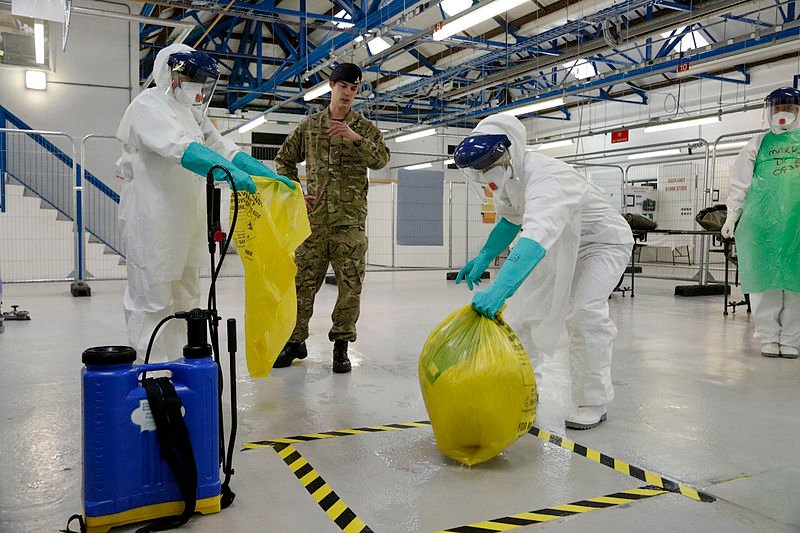
The World Health Organization has declared the Ebola outbreak in the Democratic Republic of the Congo and Uganda a “public health emergency of international concern” (PHEIC), its highest formal global alert level under international health regulations.
The outbreak is linked to the rare Bundibugyo strain of the Ebola virus, for which there are currently no approved vaccines or specific treatments. WHO officials warned that the outbreak poses a high risk of regional spread, especially across neighboring countries.
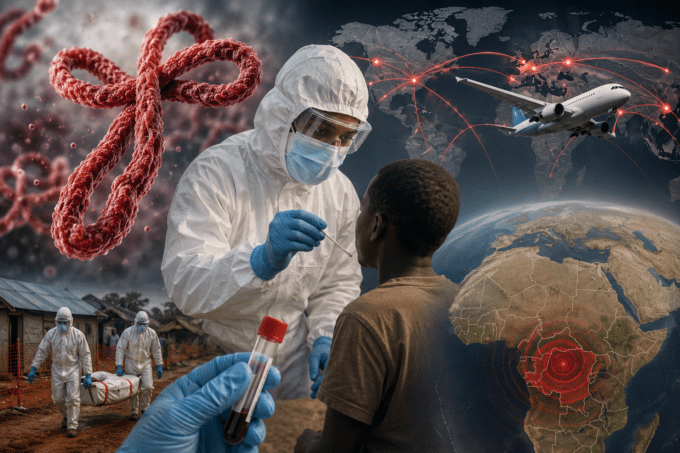
According to WHO data released on May 17, 2026, the outbreak has already led to dozens of deaths and hundreds of suspected cases, primarily in eastern Congo’s Ituri province, including Bunia, Rwampara, and Mongbwalu health zones. Cases have also been reported in Kampala, Uganda’s capital, and in Kinshasa, Congo’s capital city.
WHO Director-General Tedros Adhanom Ghebreyesus clarified that the situation does not currently meet the criteria for a pandemic emergency similar to COVID-19, but said urgent international coordination is needed to contain the outbreak quickly.
Health experts are particularly concerned because the Bundibugyo strain is less common than the Zaire strain of Ebola, meaning existing vaccines used in previous outbreaks may not be effective. The outbreak is also unfolding in regions affected by conflict, displacement, and weak healthcare infrastructure, complicating response efforts.
Ebola spreads through direct contact with the bodily fluids of infected people or contaminated surfaces. Symptoms include fever, weakness, vomiting, diarrhea, and in severe cases, internal and external bleeding.












Leave a comment