

The liver is one of the hardest-working organs in the human body. From filtering toxins and metabolising nutrients to aiding digestion and supporting immunity, the liver performs hundreds of essential functions every day. However, unhealthy eating habits, excessive alcohol consumption, obesity, infections, and sedentary lifestyles have contributed to a growing burden of liver diseases worldwide.
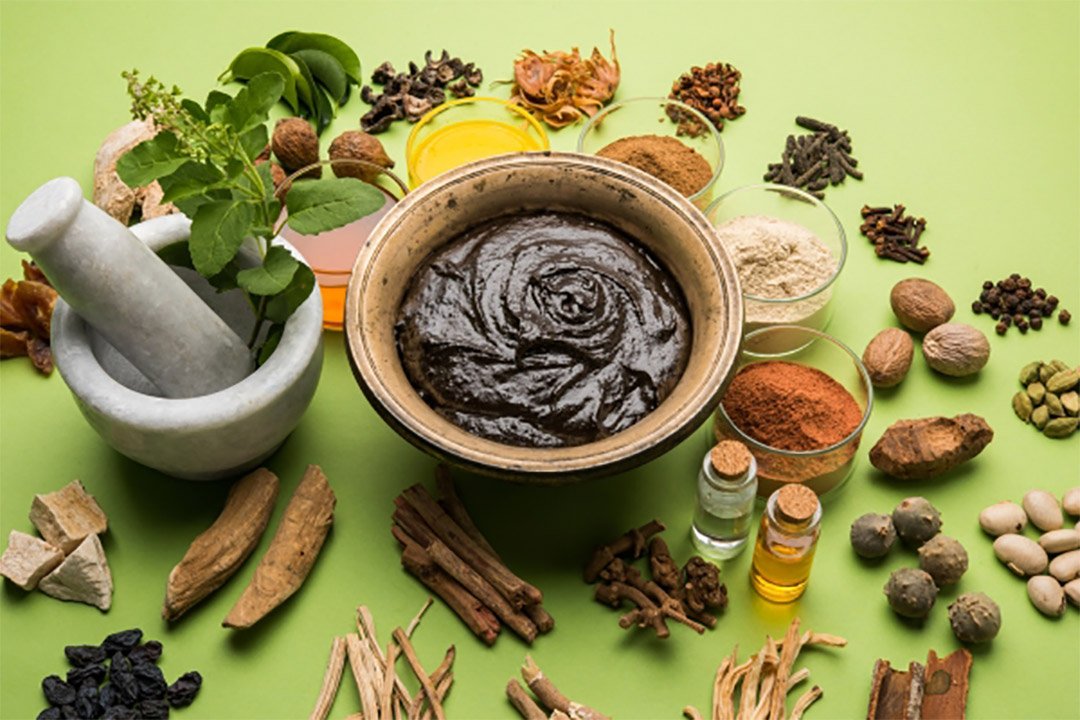
While medical treatment remains crucial for serious liver conditions, many people also explore Ayurvedic approaches to support liver health. Experts say certain Ayurvedic herbs and lifestyle practices may complement overall liver wellness when used under professional guidance.
According to Dr. Partap Chauhan, Director of Ayurveda at Jiva Ayurveda, maintaining a healthy liver requires a combination of proper diet, lifestyle modifications, and natural remedies.
“In Ayurveda, the liver is closely associated with the body’s metabolic processes. Supporting digestion, reducing toxin accumulation, and maintaining balance in the body can help promote liver health,” he explains.
1. Amla (Indian Gooseberry)
Amla is considered one of Ayurveda’s most valued fruits due to its rich antioxidant content. It is a natural source of vitamin C and may help protect liver cells from oxidative stress.
“Amla supports digestion and helps strengthen the body’s natural defence mechanisms. It is commonly recommended as part of liver-supportive dietary practices,” says Dr. Chauhan.
Amla can be consumed as fresh fruit, juice, or in powdered form after consulting a healthcare professional.
2. Turmeric
Turmeric contains curcumin, a compound known for its anti-inflammatory and antioxidant properties. Research has suggested that curcumin may help reduce inflammation and support healthy liver function.
Adding turmeric to daily meals or consuming turmeric-infused beverages may offer supportive benefits.
3. Kutki
Kutki (Picrorhiza kurroa) is an Ayurvedic herb traditionally used for liver-related concerns. Practitioners often recommend it for supporting liver detoxification and digestive health.
“Kutki has long been used in Ayurvedic medicine for maintaining liver function and supporting bile production,” explains Dr. Chauhan.
4. Bhumyamalaki
Bhumyamalaki, also known as Phyllanthus niruri, is another herb frequently used in Ayurvedic liver care.
It is traditionally believed to support liver health and help maintain normal liver function. However, experts stress that herbal remedies should only be taken under qualified supervision.
5. Eat a Liver-Friendly Diet
Ayurveda places significant emphasis on diet. Experts recommend consuming fresh fruits, vegetables, whole grains, and easily digestible foods.
Foods that are excessively oily, fried, processed, or high in sugar should be limited, as they can contribute to fatty liver disease and metabolic problems.
“A balanced diet remains one of the most effective ways to support liver health. No herb can compensate for poor lifestyle habits,” says Dr. Chauhan.
6. Stay Physically Active
Regular physical activity helps maintain a healthy weight and reduces the risk of non-alcoholic fatty liver disease (NAFLD), which is becoming increasingly common.
Ayurveda often recommends yoga and breathing exercises to support overall wellbeing and metabolic balance.
7. Avoid Excessive Alcohol and Self-Medication
Experts warn that alcohol remains one of the leading causes of preventable liver damage. Unnecessary use of supplements, herbal products, and over-the-counter medications may also strain the liver.
Doctors advise individuals to seek medical evaluation for symptoms such as persistent fatigue, abdominal swelling, jaundice, unexplained weight loss, or digestive issues.
While Ayurveda offers several herbs and lifestyle practices that may support liver health, experts stress that these approaches should complement—not replace—medical advice and treatment.
“Liver disease can progress silently for years. Regular health check-ups, a balanced diet, exercise, and professional guidance are essential for maintaining a healthy liver,” says Dr. Chauhan.
By combining healthy lifestyle habits with evidence-informed traditional practices, individuals may be able to better support one of the body’s most vital organs.
















Leave a comment