

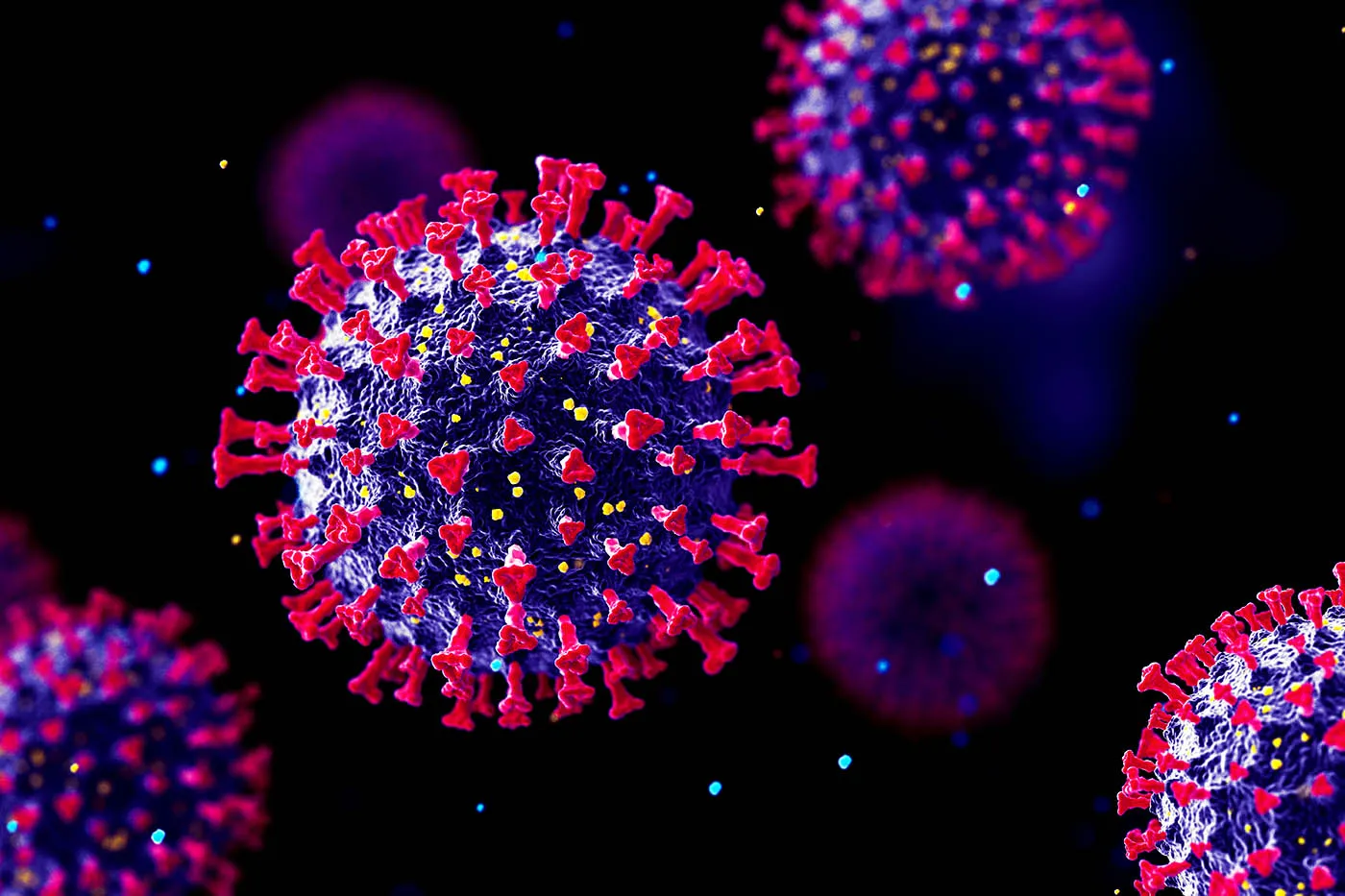
France has reported the first known human case of the Shamonda virus, an animal-associated pathogen, after an immunocompromised man in his 60s died following infection, according to information shared by the World Health Organisation (WHO) and French health authorities.
According to the reports, French authorities were notified of the case on October 7, 2026, after the virus was identified in a severely immunocompromised patient receiving treatment at the Hospices Civils de Lyon.
The patient was being treated for a serious illness and developed severe neurological complications. Laboratory investigations detected the virus in multiple biological samples, supporting the diagnosis of Shamonda virus infection.
The patient died in early October.
With the new virus affecting the human community now, it is important to understand the virus, and the various ways it can affect the people.
What Is the Shamonda Virus?
Shamonda virus belongs to the Orthobunyavirus genus and the Peribunyaviridae family. It was first identified in cattle in Nigeria in 1965 and has subsequently been reported in animals in parts of Africa and Japan.
The virus primarily affects livestock, particularly cattle, although infections have also been identified in sheep, goats and horses. In animals, infection can be associated with symptoms such as fever, diarrhoea, reduced milk production, reproductive problems and, in some cases, neurological complications.
The virus attracted renewed attention in 2026 after a new European lineage was detected in livestock. Its spread among farm animals prompted closer surveillance across several European countries, including France.
How Does the Virus Spread?
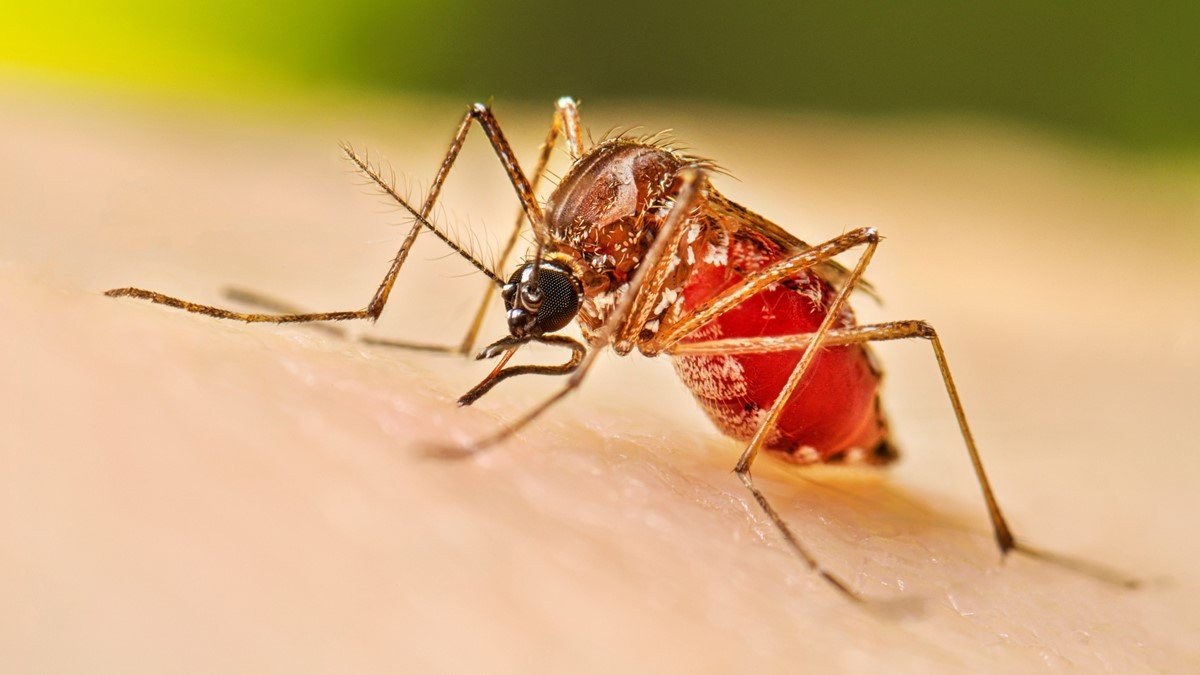
Shamonda virus is believed to spread primarily through the bites of infected Culicoides midges, tiny biting insects that can transmit pathogens between animals.
These insects play an important role in the virus’s circulation among livestock. The exact insect species responsible for transmission in the reported human case has not yet been established.
Unlike respiratory viruses that can spread through coughing, sneezing or close contact, Shamonda virus is not currently known to spread directly from one person to another. No evidence of human-to-human transmission has been identified in the French investigation to date.
However, the discovery of a human infection means researchers must examine the virus more closely to understand whether particular circumstances could increase the likelihood of infection in people.
Are There Vaccines or Treatments Available?
There is currently no established, virus-specific treatment or vaccine for Shamonda virus.
Because human infection has only recently been documented, scientists have limited information about how the disease behaves in people, which treatments might be effective and who could face the greatest risk.
Medical care would therefore depend on the patient’s clinical condition and the complications requiring treatment. Severe neurological illness requires specialist medical assessment and supportive care.
Researchers are also working to improve laboratory diagnostic methods so that suspected infections can be identified more reliably. Genetic sequencing and comparisons between human and animal virus samples may help determine how the infection occurred and whether the human case is genetically linked to the strains circulating in European livestock.
What Precautions Should the Public Take?
At present, health authorities have not issued a general public health warning indicating that people face a significant risk from Shamonda virus.
Nevertheless, basic precautions against biting insects remain sensible, particularly in areas where the virus has been detected in animals.
People can reduce exposure to biting midges by wearing suitable clothing outdoors, using locally recommended insect repellents and limiting exposure when biting insects are active. Livestock owners should follow veterinary guidance and report unusual illness among animals to the appropriate authorities.
People who are severely immunocompromised should follow the advice of their treating medical team regarding infection prevention. They should not assume that they are infected simply because they have heard about this case.
Will there be another pandemic? According to the experts, even though, the first human case of Shamonda virus is an important scientific development, there is still no evidence that a new pandemic is beginning anytime soon.
Follow HealthWireMedia.com for all the latest health news and developments from around the world.











Leave a comment