

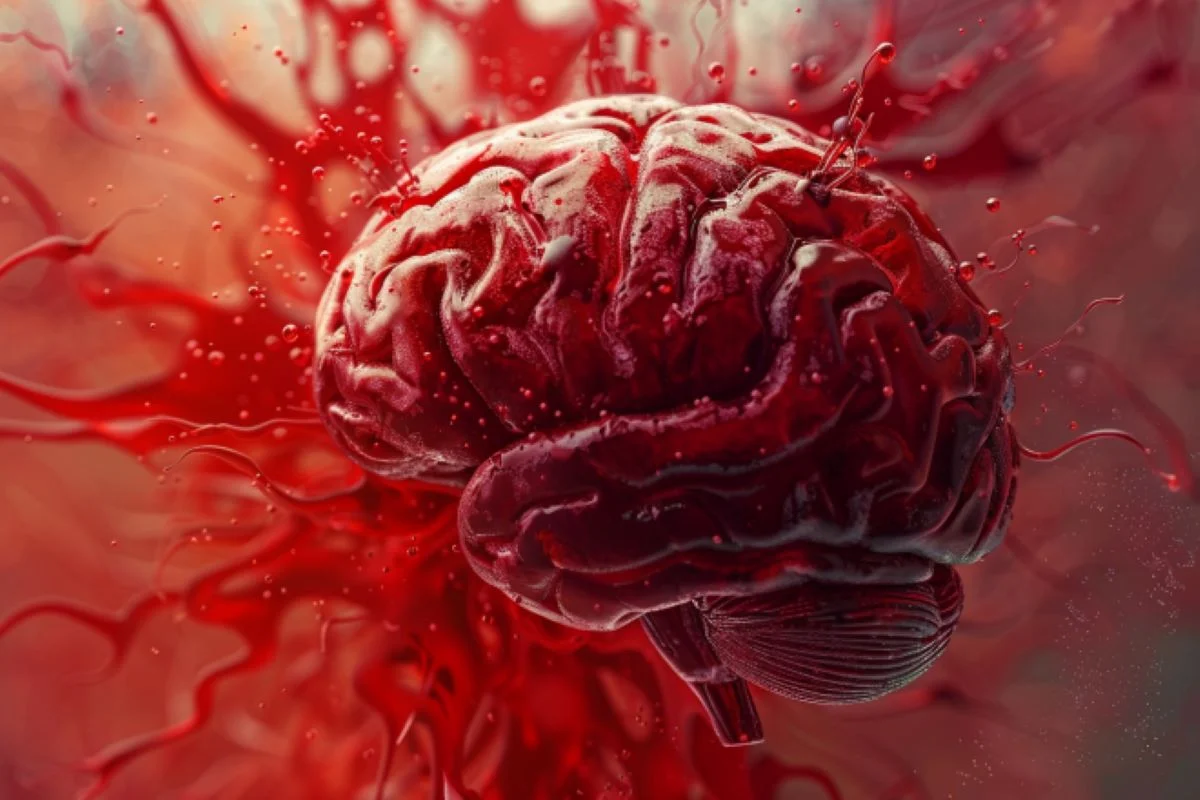
A stroke can strike suddenly, leaving only minutes to recognise the warning signs and seek emergency treatment. Neurologists explain how to identify the symptoms, what to do immediately and why acting quickly can save lives and prevent permanent brain damage.
A stroke can change a person’s life in an instant. Sudden weakness, difficulty speaking or a loss of balance may appear without warning, and delaying medical attention can increase the risk of serious brain damage, long-term disability or death.
According to neurologists, recognising the early symptoms and getting the patient to an appropriate hospital as quickly as possible are among the most important steps in improving outcomes.
The central message is clear: when a stroke is suspected, do not wait for symptoms to improve. Seek emergency medical assistance immediately.
What Is a Stroke?
A stroke occurs when the blood supply to part of the brain is interrupted or when a blood vessel in or around the brain ruptures.
Brain cells depend on a continuous supply of oxygen and nutrients delivered through the bloodstream. When this supply is disrupted, brain tissue can begin to suffer damage within minutes.
There are two main types of stroke.
Ischaemic stroke: This occurs when a blood clot blocks an artery supplying the brain. It is the most common type of stroke.
Haemorrhagic stroke: This occurs when a blood vessel ruptures, causing bleeding in or around the brain. The resulting pressure and damage can be life-threatening.
Although the underlying causes differ, both types require urgent medical assessment. Doctors must determine which type of stroke has occurred before selecting the appropriate treatment.
What Are the Early Warning Signs of a Stroke?
Stroke symptoms generally appear suddenly. The affected person may experience one symptom or several symptoms at the same time.
Neurologists recommend remembering the B.E. F.A.S.T. warning signs, which can help people recognise a possible stroke quickly.
1. B — Balance Problems
A sudden loss of balance or coordination may be an important warning sign.
The person may struggle to walk normally, feel unusually dizzy or become unable to coordinate their movements. Sudden difficulty standing or walking should not automatically be dismissed as fatigue or weakness.
2. E — Eye or Vision Changes
A stroke can affect the parts of the brain responsible for processing visual information.
Warning signs include sudden blurred vision, double vision or partial or complete loss of sight in one or both eyes.
Sudden vision changes, particularly when accompanied by dizziness, weakness or speech problems, require immediate medical attention.
3. F — Facial Drooping
Facial weakness is one of the best-known signs of a stroke.
One side of the face may appear uneven, and the person may struggle to smile normally. The mouth or cheek may droop because the muscles are no longer receiving normal signals from the brain.
If someone suddenly develops an uneven smile or facial weakness, a stroke should be considered.
4. A — Arm Weakness
A person experiencing a stroke may suddenly develop weakness or numbness in one arm, often on the same side as other affected body functions.
Ask the person to raise both arms if it is safe to do so. If one arm drifts downward or cannot be lifted properly, this could indicate a neurological emergency.
Weakness may also affect a leg or an entire side of the body.
5. S — Speech Difficulties
Speech changes are another major warning sign.
A person may suddenly slur their words, struggle to form sentences, use incorrect words or have difficulty understanding what others are saying.
Sometimes, the person knows what they want to communicate but cannot express it clearly.
Sudden confusion or difficulty understanding speech can also signal a stroke, even when facial weakness is not obvious.
6. T — Time to Seek Emergency Help
The final letter is a reminder to act immediately.
If any of these symptoms appear suddenly, call emergency medical services. Do not wait for additional symptoms to develop, and do not assume the problem will disappear on its own.
In India, call 112 for emergency assistance. Ambulance services may also be available through 108, depending on the state.
Why Does Every Minute Matter During a Stroke?
The phrase “time is brain” captures a fundamental principle of stroke care: the longer the brain remains without adequate blood flow, the greater the potential for irreversible injury.
During an ischaemic stroke, a blocked artery prevents oxygen-rich blood from reaching brain tissue. As the interruption continues, brain cells become damaged and may die.
The resulting injury can affect movement, speech, memory, vision, swallowing and other essential functions.
The speed of treatment can influence whether a patient recovers fully, experiences lasting disability or dies.
However, the urgency is not limited to ischaemic strokes. A haemorrhagic stroke also requires immediate evaluation because bleeding inside the skull can rapidly become life-threatening.
Why the First Few Minutes Are Critical
The first few minutes after symptoms appear are important because they determine how quickly emergency care can begin.
Recognising the symptoms promptly allows family members or bystanders to call an ambulance, communicate essential information and help ensure that the patient reaches an appropriate stroke-care facility.
Emergency medical teams can assess the patient, provide initial care and alert the receiving hospital when appropriate. Hospitals can then conduct brain imaging and determine which treatments are suitable.
The goal is to reduce avoidable delays at every stage.
What Should You Do If Someone Is Having a Stroke?
If you suspect that someone is experiencing a stroke, follow these steps:
- Call an ambulance immediately. Do not wait to see whether the symptoms improve.
- Record the time. Note when the symptoms began or when the person was last known to be well. This information helps doctors assess treatment eligibility.
- Keep the person safe. Help them remain in a safe position and monitor their breathing and level of consciousness.
- Avoid giving food, water or oral medication. A stroke can impair swallowing and increase the risk of choking. Do not give aspirin unless a treating clinician specifically advises it, because some strokes involve bleeding.
- Do not delay hospital care. Do not attempt home remedies, massage the affected limbs or wait for a routine medical appointment.
If the person becomes unconscious or stops breathing normally, follow the emergency dispatcher’s instructions and begin CPR if indicated and if you are able to do so.
Never attempt to diagnose the type of stroke at home. Medical examination and brain imaging are needed to guide treatment.
What If the Symptoms Disappear After a Few Minutes?
Symptoms that disappear quickly can still signal a serious medical problem.
A transient ischaemic attack (TIA), commonly called a mini-stroke, occurs when blood flow to part of the brain is temporarily interrupted. Its symptoms can resemble those of a full stroke but may resolve within minutes or hours.
A TIA is not harmless simply because the person appears to recover.
It can be a warning that a major stroke may follow, particularly in the period immediately after the episode. Anyone who experiences sudden facial weakness, arm weakness, speech difficulty or other possible stroke symptoms needs urgent medical assessment, even if the symptoms have stopped.
Do not cancel an ambulance call or postpone evaluation because the person feels normal again.
Can a Stroke Be Treated Successfully?
Yes. Advances in stroke care have improved the chances of survival and recovery for many patients, although outcomes depend on the type of stroke, the extent of brain injury, the patient’s overall health and how quickly treatment begins.
For eligible patients with an ischaemic stroke, doctors may consider two important treatments.
Intravenous thrombolysis: This treatment uses medication to dissolve a blood clot blocking an artery in the brain. It is generally considered within a limited time window, commonly up to 4.5 hours from symptom onset, depending on eligibility and clinical circumstances.
Mechanical thrombectomy: In selected patients with a large-vessel blockage, specialists can use a catheter-based procedure to remove the clot. Some carefully selected patients may benefit from this treatment up to 24 hours after they were last known to be well, depending on brain imaging and other clinical criteria.
These time windows are not reasons to delay seeking help. Some patients are not eligible for these treatments, while others may benefit from advanced imaging-based selection even when more time has passed.
For haemorrhagic strokes, treatment may involve controlling blood pressure, managing complications, reversing certain blood-thinning medications or performing surgery or other procedures when indicated.
The most appropriate treatment can only be determined after emergency assessment.
Who Is at Greater Risk of Stroke?
A stroke can occur at any age, but several medical conditions and lifestyle factors can increase the risk.
Important risk factors include:
- High blood pressure, one of the leading modifiable risk factors.
- Diabetes.
- High cholesterol.
- Smoking and tobacco use.
- Certain heart conditions, including atrial fibrillation.
- Physical inactivity and an unhealthy diet.
- Excessive alcohol consumption.
- Previous stroke or transient ischaemic attack.
- Increasing age and a family history of stroke.
Having one or more risk factors does not mean that a stroke is inevitable. However, identifying and managing these factors can help reduce the likelihood of a future event.
Regular medical check-ups, blood pressure management, appropriate diabetes and cholesterol treatment, physical activity, a balanced diet and stopping tobacco use are important preventive measures.
People should discuss their individual risks and any prescribed preventive medication with their healthcare professional.
Can a Stroke Be Prevented?
Not every stroke can be prevented, but many of the factors that contribute to stroke risk can be managed.
Controlling high blood pressure is particularly important. People with diabetes, high cholesterol or heart rhythm disorders should follow their treatment plans and attend recommended medical appointments.
A healthy lifestyle can also make a meaningful difference. This includes eating a balanced diet, exercising regularly as appropriate for one’s health, avoiding tobacco and maintaining a healthy weight.
People who have already experienced a stroke or TIA may require additional measures to prevent another event, including prescribed medication and specialist follow-up.
Prevention is important, but it must never replace emergency action when sudden stroke symptoms appear.
Stroke warning signs can appear without warning, and recognising them quickly can make a critical difference.
Sudden facial drooping, weakness in an arm or leg, difficulty speaking, vision changes, loss of balance or an unexplained severe headache should never be ignored.
Neurologists emphasise that rapid recognition, immediate emergency assistance and accurate information about when symptoms began can help patients receive appropriate treatment sooner.
Remember B.E. F.A.S.T.: Balance, Eyes, Face, Arms, Speech and Time. If you suspect a stroke, call for emergency medical help immediately—even if the symptoms disappear.
When it comes to stroke, waiting is a risk that no one should take.








Leave a comment