

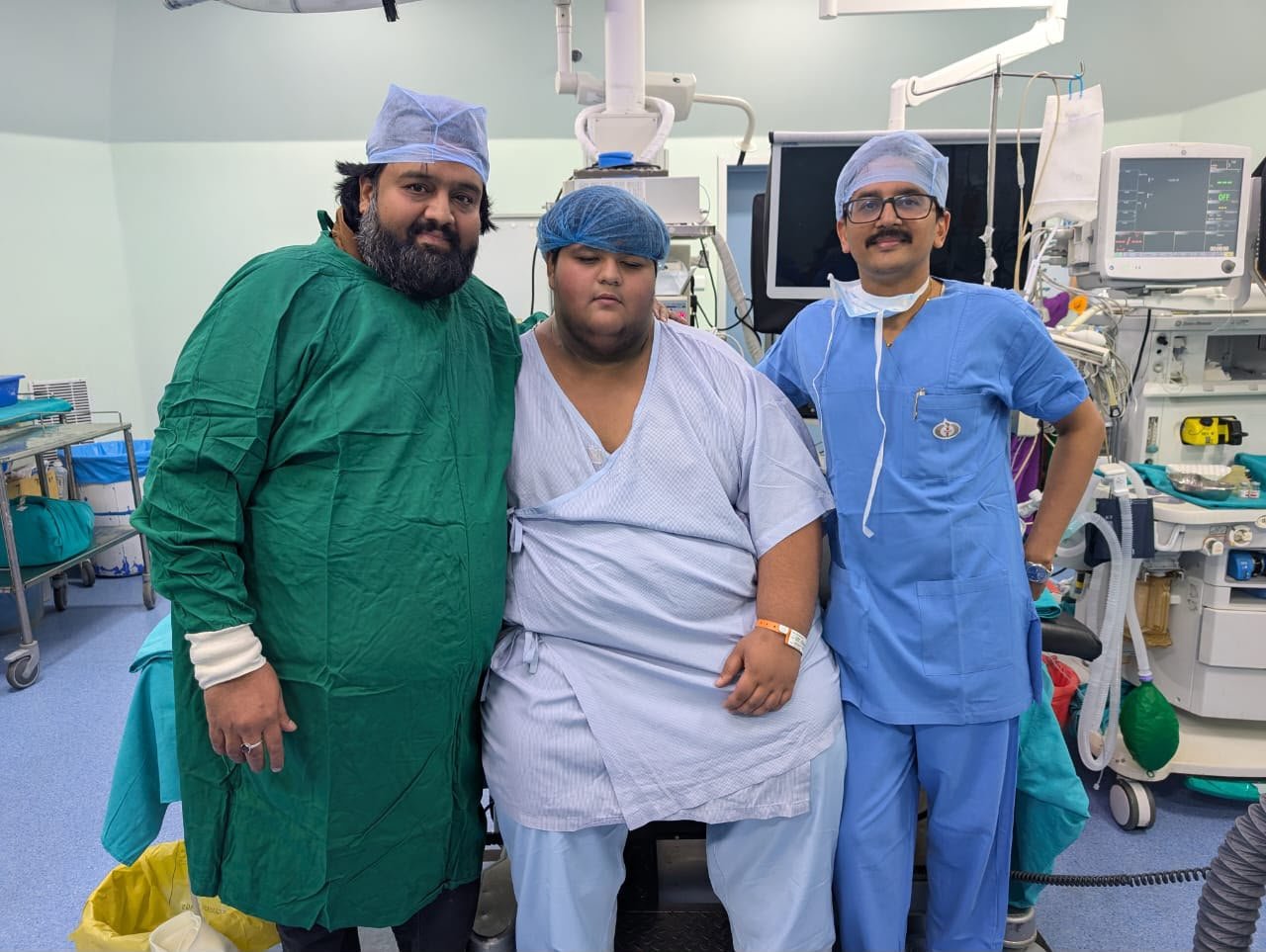
New Delhi: In a case highlighting the growing concerns surrounding severe obesity in children and adolescents, doctors at Sir Ganga Ram Hospital in New Delhi have successfully performed laparoscopic sleeve gastrectomy on a 13-year-old boy who weighed approximately 186 kg and was experiencing multiple obesity-related health concerns.
The boy had a history of progressive weight gain over several years, which began affecting his breathing, sleep, mobility and overall well-being. According to the hospital, he experienced breathlessness, joint pain, backache, increased snoring, sleep apnoea, disturbed sleep and anger-related behavioural issues.
Despite attempts to manage his weight through dietary restrictions and lifestyle modifications, the child was unable to achieve adequate and sustained weight loss. Following a comprehensive medical evaluation, a multidisciplinary team considered bariatric surgery as part of his overall treatment plan.
The laparoscopic sleeve gastrectomy was performed on August 13, 2026, by the Department of Laparoscopic, Laser & General Surgery at Sir Ganga Ram Hospital. The surgical care was led by Dr Tarun Mittal, Consultant in the department.
Following the procedure, the patient’s diet was gradually advanced under medical supervision. He has since lost more than 20 kg, with his family reporting improvements in breathing, snoring, sleep quality, mobility and joint discomfort.
According to the medical team, the child’s weight is expected to reduce progressively over the next 12 to 18 months. However, the long-term outcome will depend on adherence to dietary recommendations, physical activity, nutritional support and regular medical follow-up.
Family History Highlights the Complex Causes of Obesity
The case also draws attention to the possible role of family history in severe obesity. Both of the boy’s parents have struggled with obesity and subsequently undergone bariatric surgery.
A strong family history may indicate a genetic or familial contribution to obesity, alongside environmental and lifestyle factors. The case underscores the importance of assessing obesity in children through a broader medical lens rather than viewing it solely as a consequence of dietary habits or physical inactivity.
Bariatric Surgery in Children Requires Careful Assessment
While bariatric surgery can be considered in selected adolescents with severe obesity, its use in children requires particularly careful evaluation and long-term support. According to the hospital, the decision to proceed with surgery followed a detailed assessment by a multidisciplinary medical team.
Comprehensive medical and nutritional evaluation, the involvement of parents or guardians, and long-term monitoring are essential components of care. Nutritional counselling, lifestyle modification and regular medical reviews remain important after surgery to support recovery and sustained health improvements.
The young patient will continue to be monitored by the hospital’s surgical, paediatrics and chest medicine teams, as advised.
The case highlights the complex challenges associated with severe childhood obesity and the importance of timely medical evaluation, individualised treatment and continued multidisciplinary care. Beyond weight reduction, addressing associated health concerns and improving the child’s overall quality of life remain important goals of treatment.















Leave a comment