

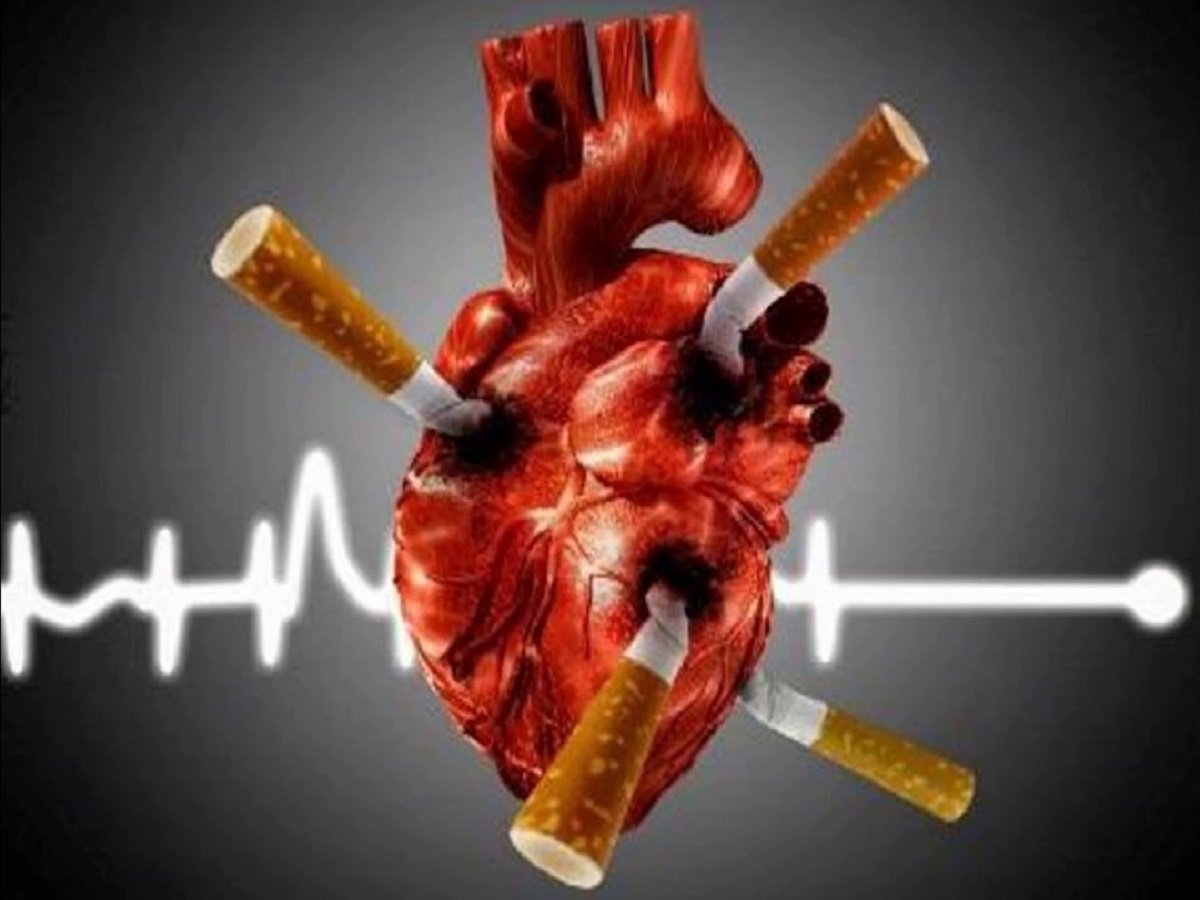
It used to be that heart disease only affected older adults; however, doctors all across India are beginning to see more cases of high blood pressure, early signs of heart disease/dam age to the vascular system, & even/including actual heart attacks in men & women who are between 25-45 years old. An increase in smoking/vaping/smokeless tobacco products among younger individuals is believed to be one of the leading cause(s) for this alarming increase.
In this article, Dr. Joy Shome , Head – TAVI/ TAVR , CK Birla Hospitals – BM Birla Heart Hospital, helps us understand how smoking effects the heart and increases ones’ chance of developing serious cardiac problems.
Even Occasional Tobacco Use Can Affect the Heart
Numerous young individuals falsely assume that “occasional usage” (social purposes) of cigarettes, e-cigarettes or any type of nicotine products do not have long term health implications, which they think is true relative to long term heavy use of such products.
However, your cardiovascular system is negatively affected by nicotine & the toxic chemicals from tobacco as soon as you’re exposed to them, which occurs much sooner than anyone expects or realizes. In addition, nicotine & toxic chemicals from tobacco can also negatively impact the healthy functioning of blood vessels, heart rhythm, & regulation of blood pressure.
Nicotine from cigarette smoke increases inflammation and leads to damage on the inside of the arteries. This will lead to a build-up of plaque, a stiffening of the blood vessels, and narrowing of the arteries.
As a result, there is a much greater chance of developing high blood pressure, heart attack, or stroke (hypertension). In addition to causing these long-term effects, smoking reduces the amount of oxygen flowing to the heart, increases the effort the cardiovascular system takes to pump blood throughout the body, and creates stress even in healthy younger populations.
How Does Vaping Affects The Heart?
Vaping has also contributed to this alarming trend in public health. Many younger people and working-age Americans view vaping as less harmful than traditional cigarette smoking due to advertising efforts and the availability of flavoured vaping products. Unfortunately for them, when they use a vape pen or e-cigarette, they are introducing nicotine, ultrafine particles, flavouring agents, and toxic chemicals into their bodies that may cause an increase in heart rate, an increase in blood pressure, and cause early endothelial dysfunction (the first symptom of cardiovascular disease).
Physicians are growing increasingly concerned about the synergistic effects of multiple sources of tobacco exposure combined with the negativity of contemporary urban living. An unbalanced diet, insufficient exercise and a high incidence of obesity have led to a rapid increase in the rate of cardiovascular aging among younger populations. Tobacco use are becoming integral components to negative trends in overall health, which is unwittingly creating ever-increasing risk of future cardiovascular events for the affected individuals.
Another area of discussion with regard to the prevalence of cardiovascular disease among younger adults is related to the average age at which people develop a full awareness of their health and the health of their hearts. Most younger adult patients do not associate chest pain, shortness of breath, palpitations, extreme fatigue, headache or hypertension with cardiovascular disease early enough to prevent themselves from using tobacco. Many younger adults perceive that serious long-term cardiovascular consequences will not occur until several years after the use of tobacco, however, physicians today have begun to see patients with cardiac symptoms who have been using tobacco for a short period of time.
Good news: Once you quit tobacco, your cardiovascular system starts recovering almost immediately. By stopping smoking/vaping, your blood will flow better, your blood vessels will be less inflamed, your blood pressure will drop significantly as you will continue to reduce long-term cardiopulmonary disease (risk factors) for years.
Follow HealthWireMedia.com for all the latest health news and developments from around the world.
















Leave a comment