


In a medical breakthrough, researchers from the University of California San Diego have found that a breast milk sugar called 3′-sialyllactose (3’SL) may help support newborn gut development and bilirubin processing, potentially reducing the risk of infant jaundice.
According to the study results, a naturally occurring sugar in breast milk, known as 3′-sialyllactose (3’SL), plays an important role in intestinal development and the processing of bilirubin, a substance that can build up in the blood and cause jaundice.
The findings, published in Cellular and Molecular Gastroenterology and Hepatology, suggest that this milk sugar may help support the biological processes involved in preventing neonatal hyperbilirubinemia, commonly known as newborn jaundice.
What Is Newborn Jaundice and Why Does It Occur?
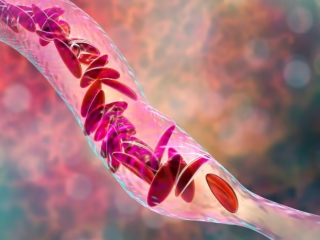
Newborn jaundice is a common condition characterised by yellowing of a baby’s skin and the whites of the eyes. It occurs when bilirubin, a yellow pigment produced during the normal breakdown of red blood cells, accumulates in the blood.
According to the study report, jaundice affects up to 60% of full-term newborns and 80% of premature infants.
“In many cases, the condition is mild and resolves as the baby’s liver matures. However, when bilirubin levels become very high or remain elevated for too long, the substance can cross into the brain and cause serious neurological complications,” the report quoted.
The study also stated that some breastfed babies may also develop prolonged jaundice, known as breast milk jaundice. Researchers are still investigating how milk composition and early feeding patterns influence bilirubin levels in newborns.
What Is 3′-Sialyllactose?
3′-Sialyllactose, commonly abbreviated as 3’SL, is a human milk oligosaccharide (HMO)—a type of complex sugar naturally present in breast milk. Human milk contains several types of these sugars, which contribute to infant development and interact with the developing gut.
In the new study, researchers investigated how 3’SL influences intestinal maturation and the body’s ability to process bilirubin. Their findings suggest that the sugar helps support the development of intestinal cells and the activity of biological pathways involved in bilirubin clearance.
How Could Breast Milk Sugar Help Prevent Jaundice?
The researchers studied newborn mice in a model of neonatal hyperbilirubinemia. They found that mouse pups exposed to milk lacking 3’SL experienced poorer growth, shorter intestines, lower survival and more severe jaundice compared with those receiving the sugar.
The researchers also observed reduced levels of UGT1A1, an enzyme involved in processing bilirubin so that it can be eliminated from the body. The findings suggest that 3’SL may help support intestinal maturation and the biological mechanisms needed to process bilirubin.
What Should Parents Know About Newborn Jaundice?
Although newborn jaundice is common, parents should not assume that it is always harmless. Experts state that babies who develop yellowing of the skin or eyes should be assessed by a healthcare professional, who may recommend measuring bilirubin levels.
Timely medical intervention is important if jaundice appears during the first 24 hours after birth.
Experts also note that breastfeeding should not be stopped or altered without medical advice. Healthcare professionals can assess feeding adequacy and provide support when needed.
Disclaimer: This article is for health information and awareness only. It does not replace medical advice, diagnosis or treatment.
Follow HealthWireMedia.com for all the latest health news and developments from around the world.










Leave a comment